Decoding Shelter Dog Behavior: Expert Adoption Guide
Learn to read shelter dog body language and assess behavior before adopting. Expert tips on stress signals, consent testing, and predicting compatibility.

The Science of Kennel Stress and Behavioral Masking
Adopting a dog is an emotional experience, but from a canine behaviorist's perspective, it requires objective, analytical observation. The shelter environment is inherently traumatizing. Noise levels in a typical shelter kennel can exceed 100 decibels—equivalent to a chainsaw or a rock concert. According to the Fear Free Shelter Program, this chronic sensory overload triggers a massive release of cortisol and adrenaline, fundamentally altering a dog's behavioral baseline.
Because of this physiological stress, behaviorists warn against judging a dog's true temperament based on a standard 10-minute meet-and-greet. Dogs typically exhibit one of two behavioral masks in the shelter: Kennel Craziness (hyper-arousal, spinning, incessant barking) or Learned Helplessness (shutting down, freezing, refusing to interact). Neither of these states represents the dog's true personality in a stable home environment. Understanding this physiological masking is the first step in making an informed, successful adoption choice.
Decoding Subtle Stress and Appeasement Signals
While a wagging tail is commonly misinterpreted as a universal sign of happiness, behavior analysis dictates that a wag simply indicates arousal—which can easily tip into anxiety or aggression. To truly assess a shelter dog, you must look for subtle appeasement and stress signals. The AKC Body Language Guide emphasizes the importance of reading the whole dog, not just isolated body parts.
Key stress indicators to monitor during your first interaction include:
- Whale Eye: When a dog turns its head away but keeps its eyes fixed on a stimulus, exposing the whites of the eyes (sclera). This is a high-level anxiety indicator.
- Lip Licking and Yawning: When performed out of context (e.g., the dog is not tired or eating), these are acute calming signals used to diffuse perceived social tension.
- Muscle Tension and Freezing: A stiff, rigid posture, particularly around the muzzle and shoulders, often precedes a reactive outburst if the dog's spatial boundaries are continually violated.
Barrier Frustration vs. True Aggression
One of the most common misdiagnoses in shelter environments is confusing barrier frustration with true aggression. Many dogs will bark, lunge, and throw themselves against the kennel glass or chain-link fences. From a behavioral standpoint, this is often redirected arousal rather than predatory or fear-based aggression. The inability to investigate a passing person or dog causes a spike in frustration, which manifests as explosive reactivity.
To test whether a dog is truly aggressive or simply barrier-frustrated, request a meeting in a neutral, open outdoor space. Use a 15-foot Biothane long line attached to a front-clip harness (such as the Ruffwear Front Range, approx. $40). If the dog's body language softens, their tail assumes a relaxed, sweeping wag, and they seek social engagement once the physical barrier is removed, you are likely dealing with manageable frustration rather than deep-seated aggression.
The Expert’s 3-Phase Meet-and-Greet Protocol
Do not rush into the meet-and-greet room and immediately loom over the dog to pet its head. This triggers defensive posturing. Instead, utilize this structured, three-phase protocol to assess behavioral compatibility:
Phase 1: The Decompression Sniffari (5-7 Minutes)
Enter the quiet outdoor yard and allow the dog to lead the way. Sniffing lowers a dog's heart rate and engages the parasympathetic nervous system. Do not force interaction; simply observe how the dog navigates the space. Does it check in with you visually? Does it investigate the environment with a relaxed posture?
Phase 2: The 3-Second Consent Test
Kneel sideways to the dog (avoiding direct, confrontational eye contact) and offer the back of your hand. If the dog approaches, pet the chest or shoulder for exactly three seconds, then stop and pull your hand away. If the dog leans in, nudges your hand, or offers a soft gaze, it is consenting to further interaction. If the dog turns away, licks its lips, or retreats, respect the boundary.
Phase 3: Resource and Handling Evaluation
Introduce a high-value item, such as a bully stick or a Kong Classic stuffed with peanut butter. Observe the dog's consumption style. Does it eat calmly? Does it freeze and stiffen if you walk within a three-foot radius? While resource guarding is a manageable behavioral modification issue, identifying it during the meet-and-greet is crucial for household safety, especially if you have children or other pets.
Additionally, perform a gentle handling assessment. Slowly reach toward the dog's collar as if you were going to leash it. Does the dog lean into the touch, or does it flinch, freeze, or snap? Collar-grab sensitivity is a leading cause of in-home bites and must be identified early so you can implement positive reinforcement desensitization protocols.
Behavioral Red Flags vs. Normal Shelter Stress
Use the following behavioral analysis chart to differentiate between normal shelter-induced anxiety and concerning red flags that require professional intervention.
| Behavior Observed | Underlying Emotional State | Expert Interpretation |
|---|---|---|
| Pacing, panting, whining in the meet-and-greet room | Acute Environmental Stress | Normal shelter response. Requires time and decompression to evaluate true temperament. |
| Hard staring, stiff tail, raised hackles over resources | Resource Guarding / Insecurity | Red Flag. Indicates potential for aggression if boundaries are pushed. Requires experienced handling. |
| Rolling over to expose belly with a loose, wiggly body | Social Appeasement / Trust | Green Flag. Dog is seeking social connection and feels relatively safe in the interaction. |
| Freezing completely still when touched or approached | Learned Helplessness / Fear | Caution. The dog is shut down. A bite may occur if the dog feels trapped and forced to escalate. |
The First 72 Hours: Environmental Management and Decompression
The ASPCA and behaviorists widely advocate for the 3-3-3 Rule of adoption: 3 days to decompress, 3 weeks to learn a routine, and 3 months to feel at home. The first 72 hours are entirely about environmental management and minimizing cognitive load.
During this initial window, avoid introducing the dog to neighborhood dogs, hosting welcome parties, or taking trips to crowded pet stores. Instead, invest in behavioral management tools to set the stage for success:
- Adaptil Calm On-the-Go Collar ($25 - $30): Releases synthetic dog-appeasing pheromones that mimic those produced by a nursing mother, clinically proven to reduce anxiety in novel environments.
- Snuffle Mat ($20 - $35): Use this for all meals during the first week. Foraging for kibble in the fabric strips engages the brain, tires the dog out mentally, and builds confidence without requiring physical exertion.
- White Noise Machine ($30): Place a machine like the LectroFan near the dog's crate or safe zone to mask triggering outdoor sounds that might cause barrier frustration or sleep disruption.
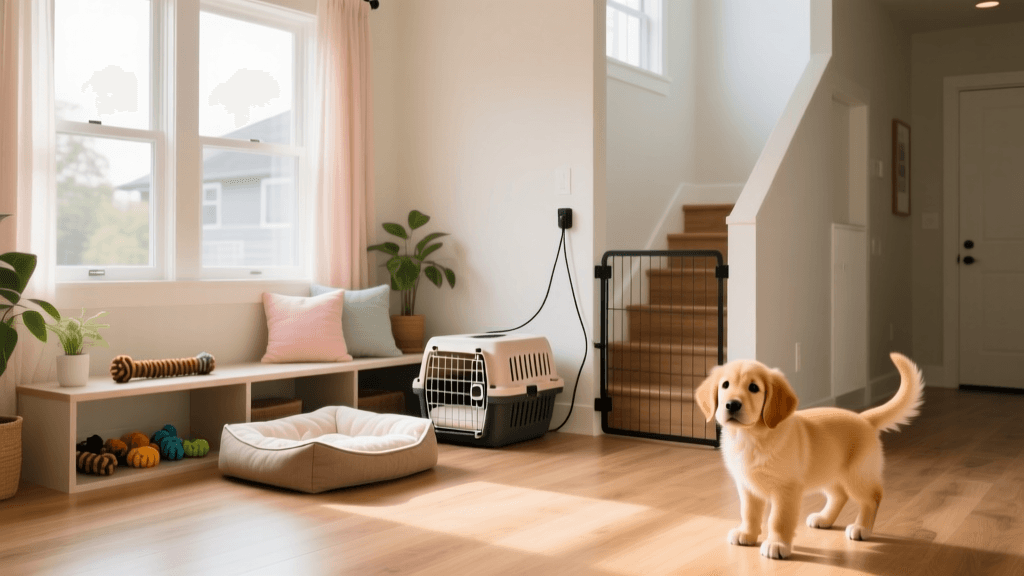
Create a designated safe zone in a low-traffic area of your home, equipped with an orthopedic bed and covered on three sides to mimic a den. This spatial predictability lowers cortisol levels significantly faster than allowing the dog to roam an entire house unguided.
By approaching the adoption process through the lens of expert behavior analysis, you move beyond the superficial cute factor and establish a foundation rooted in mutual understanding, scientific observation, and long-term compatibility. This analytical approach not only saves you from unforeseen behavioral challenges but, more importantly, provides the dog with the structured, empathetic transition it desperately needs to thrive.
anouk-beaumont
All our authors care for dogs every day — read more of their work on the authors page.