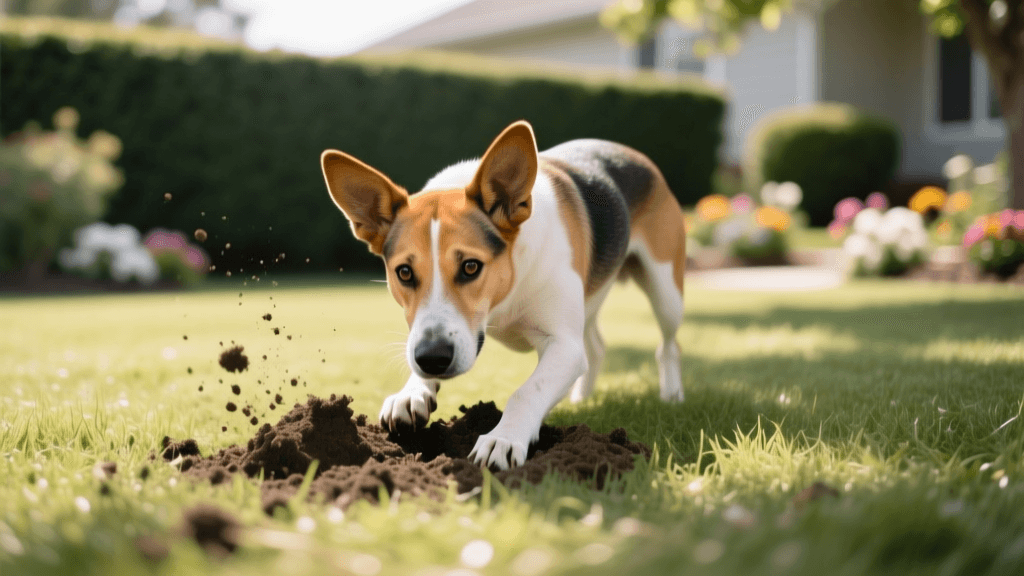
Why Dogs Eat Grass And What It Means
Learn about why dogs eat grass and what it means with expert tips and data-backed advice.
A Behaviour That Puzzles Most Dog Owners
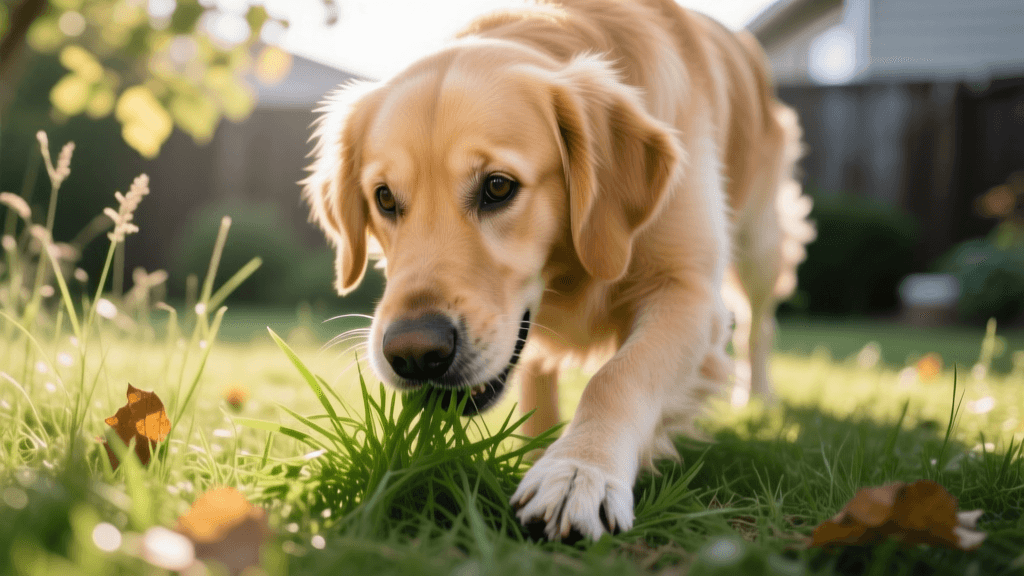
Walk your dog through any park on a spring morning and there is a reasonable chance they will stop, lower their nose to a patch of grass, and start chewing. It happens so routinely that many owners dismiss it as a quirk or a sign of an upset stomach. But the behaviour is far more nuanced than that. Grass eating in domestic dogs — known formally as pica when it involves non-food items — has been documented across breeds, ages, and dietary conditions, and researchers have spent decades trying to understand what drives it.
The short answer is that no single explanation covers every case. Dogs eat grass for a constellation of reasons, and the meaning behind the behaviour depends heavily on context: how fast the dog is eating, whether vomiting follows, the dog's age, diet, and even the time of year. Understanding those distinctions matters because it changes how you should respond as an owner.
What the Research Actually Shows
One of the most cited studies on this topic was conducted by researchers at the University of California, Davis School of Veterinary Medicine. In a 2008 survey published in the journal Applied Animal Behaviour Science, the team collected data from 1,571 dog owners and found that 79% reported their dogs ate plants on a regular basis, with grass being the most common plant consumed. Crucially, only 22% of those dogs showed signs of illness before eating grass, and vomiting followed the behaviour in just 24% of cases. This directly challenged the long-held folk belief that dogs eat grass primarily to induce vomiting when they feel sick.
A follow-up study from the same institution, led by Dr. Benjamin Hart, examined 25 dogs over a 30-day observation period. Dogs that ate grass rapidly and in large quantities were significantly more likely to vomit afterward — roughly 3 to 4 times more likely than dogs that grazed slowly. This suggests that the relationship between grass eating and vomiting is real, but it runs in both directions: sometimes the dog is already nauseous and uses grass as a purgative, and sometimes the mechanical irritation of rapidly swallowed grass blades triggers vomiting as a secondary effect.
The Ancestral Behaviour Hypothesis
Ethologists studying wild canids have offered a compelling evolutionary lens. Wolves and other wild relatives of the domestic dog regularly consume plant matter — not just incidentally through the stomach contents of prey, but deliberately. A 2009 analysis of wolf scat samples collected across Yellowstone National Park found plant material in approximately 11% of samples during summer months, rising to 74% in late spring when certain grasses are at peak nutritional density. The researchers, working through the Wildlife Conservation Society, concluded that plant consumption in wild canids is a normal, seasonally modulated behaviour rather than a pathological one.
This matters for understanding domestic dogs because it suggests grass eating may be a retained ancestral behaviour — one that served a functional purpose in the wild and has simply persisted in the domestic lineage. The behaviour may be partially hardwired rather than purely reactive to current physiological states.
Fibre, Gut Motility, and Nutritional Gaps
A separate line of research focuses on dietary factors. Grass is high in insoluble fibre, which stimulates gut motility and can help move material through the digestive tract. Dogs fed low-fibre diets have been observed to eat grass at higher rates than dogs on high-fibre diets in several small-scale studies. In one controlled trial conducted at the Royal Veterinary College in London, dogs switched to a high-fibre diet showed a 35% reduction in grass-eating frequency over a six-week period compared to a control group maintained on standard commercial kibble.
This does not mean every grass-eating dog is fibre-deficient. But it does suggest that for some dogs, the behaviour is a form of self-regulation — an attempt to supplement what the diet is not providing. Owners who notice a sudden increase in grass eating after a diet change should consider whether the new food has adequate fibre content.
Reading the Behaviour: Fast vs. Slow Eating
Not all grass eating looks the same, and the manner in which a dog consumes grass is one of the most reliable indicators of what is driving the behaviour. Experienced veterinary behaviourists distinguish between two broad patterns:
- Selective, slow grazing: The dog moves through a patch of grass calmly, choosing specific blades, chewing thoroughly, and swallowing without urgency. This pattern is associated with exploratory or nutritional motivations and rarely precedes vomiting.
- Rapid, indiscriminate consumption: The dog pulls at grass frantically, swallowing large quantities with minimal chewing. This pattern is more commonly associated with gastrointestinal discomfort and has a significantly higher correlation with subsequent vomiting — in some studies, as high as 50% of episodes.
Body language provides additional context. A dog that is grazing slowly with a relaxed posture, loose tail, and soft eyes is behaving very differently from a dog that approaches grass with a hunched posture, repeated lip-licking, or excessive salivation. The latter cluster of signals — lip-licking, drooling, restlessness, and repeated swallowing — are classic indicators of nausea in dogs and should prompt closer attention.
Age and Frequency Patterns
Younger dogs and puppies eat grass more frequently than older dogs, according to survey data from the UC Davis study. Dogs under three years of age were reported to eat grass on a daily or near-daily basis by 42% of owners, compared to 18% of owners of dogs over seven years old. This age gradient may reflect the higher exploratory drive of younger animals, or it may indicate that older dogs have learned through experience which grass-eating episodes are worth pursuing and which are not.
Frequency also varies by season. Spring and early summer, when grasses are young, tender, and nutritionally dense, tend to see the highest rates of grass consumption. This seasonal pattern mirrors what has been observed in wild canids and supports the hypothesis that at least some grass eating is nutritionally motivated rather than purely reactive.
When Grass Eating Signals a Problem
For the majority of dogs, occasional grass eating is benign. However, certain patterns warrant veterinary attention. The following table outlines the key distinctions between normal and potentially concerning grass-eating behaviour:
Veterinary guidance from the American Veterinary Medical Association (AVMA, 2021): "Occasional plant ingestion in dogs is generally considered normal behaviour. Owners should seek veterinary evaluation when grass eating is accompanied by repeated vomiting, weight loss, changes in stool consistency, or when the behaviour increases suddenly in frequency or intensity without an obvious dietary explanation."
| Behaviour Pattern | Likely Cause | Action Recommended |
|---|---|---|
| Slow, selective grazing, no vomiting | Nutritional supplementation, exploratory behaviour | Monitor; no intervention needed |
| Rapid consumption, occasional vomiting | Mild gastrointestinal upset | Monitor diet and stress levels |
| Frantic eating, repeated vomiting, lethargy | Significant GI distress or obstruction | Veterinary evaluation within 24 hours |
| Sudden increase in frequency, weight loss | Possible underlying illness or nutritional deficiency | Veterinary evaluation promptly |
| Eating grass and other non-food items | Pica — may be behavioural or medical | Veterinary and behavioural assessment |
One specific concern is the risk of pesticide or herbicide exposure. Grass in public parks, golf courses, and treated lawns may carry chemical residues that are harmful to dogs. A 2013 study published in Science of the Total Environment detected lawn herbicide residues in the urine of 14 out of 25 dogs sampled after walks in treated areas, even when the dogs had not been observed eating grass. Dogs that do eat treated grass face a higher exposure risk. Owners should be aware of whether the areas where their dogs graze have been recently treated with chemicals.
Boredom, Stress, and Behavioural Motivations
Not every explanation for grass eating is physiological. Behavioural research has identified psychological drivers as well. Dogs that are under-stimulated — receiving insufficient exercise, social interaction, or mental engagement — sometimes develop repetitive or displacement behaviours, and grass eating can be one of them. In these cases, the behaviour functions as a form of self-soothing or occupational activity rather than a response to any physical need.
Stress is another factor. Dogs experiencing separation anxiety, environmental changes, or social conflict within a household have been observed to increase grass-eating frequency. The behaviour may serve a calming function, similar to how some dogs chew objects or pace when anxious. If grass eating increases during periods of household disruption — a move, a new pet, changes in the owner's schedule — a behavioural component is worth considering.
Addressing these cases requires looking beyond the grass itself. Increasing daily exercise, introducing puzzle feeders, and ensuring adequate social interaction often reduce the behaviour without any dietary changes. In more severe cases of anxiety-driven pica, consultation with a certified veterinary behaviourist may be appropriate.
Practical Steps for Owners
Given the range of possible causes, a systematic approach helps owners respond appropriately rather than either ignoring the behaviour entirely or over-reacting to a normal canine activity.
- Observe the pattern: Note whether your dog grazes slowly or eats rapidly, whether vomiting follows, and whether the behaviour clusters around particular times, locations, or life events.
- Review the diet: Check the fibre content of your dog's current food. Adult dogs generally need between 2% and 4% crude fibre in their diet. If the current food falls below this range, a dietary adjustment may reduce grass-eating frequency.
- Check for stress triggers: If the behaviour has increased recently, consider whether anything in the dog's environment has changed. Rule out psychological drivers before assuming a physical cause.
- Assess the grazing environment: Avoid allowing your dog to eat grass in areas that may have been treated with pesticides or herbicides. When in doubt, redirect the dog away from the area.
- Consult a veterinarian if in doubt: Any grass eating accompanied by repeated vomiting, lethargy, blood in stool, or significant weight change warrants professional evaluation. These signs suggest the behaviour may be symptomatic of an underlying condition rather than a standalone behaviour.
For most dogs, grass eating is a normal, low-risk behaviour with roots in evolutionary history and a range of benign motivations. The key is learning to read the specific signals your dog is giving you — the speed of consumption, the body language, the frequency, and the context — so that you can distinguish between a dog that is simply enjoying a spring morning graze and one that is telling you something is wrong.
Marcus Aldridge
All our authors care for dogs every day — read more of their work on the authors page.