Best WFH Puppy Breeds 2026: Training For Quiet Zoom Calls
Discover the best puppy breeds for remote workers in 2026 and learn specific training protocols to keep them quiet and calm during your Zoom calls.
The 2026 Guide to Training WFH-Friendly Puppy Breeds
As remote and hybrid work models continue to dominate the professional landscape in 2026, the home office has permanently merged with the living space. For dog owners, this presents a unique behavioral challenge: how do you raise a well-adjusted puppy while maintaining professionalism during high-stakes virtual meetings? The secret lies not just in selecting the right breed, but in implementing specialized behavioral conditioning protocols tailored to the work-from-home (WFH) environment.
While some breeds are naturally predisposed to quiet companionship, every puppy requires deliberate training to navigate the sudden noises of Slack notifications, Zoom chimes, and delivery drivers. In this comprehensive training guide, we will explore the best puppy breeds for remote workers and break down the exact obedience and desensitization techniques required to create the ultimate WFH companion.
Top 4 Remote-Worker-Friendly Breeds and Their Training Profiles
When selecting a puppy for a home office setup, you must prioritize low bark-drive, high adaptability, and an innate "off-switch." Here are the top breeds for 2026 remote workers, alongside their specific training focal points.
1. Cavalier King Charles Spaniel
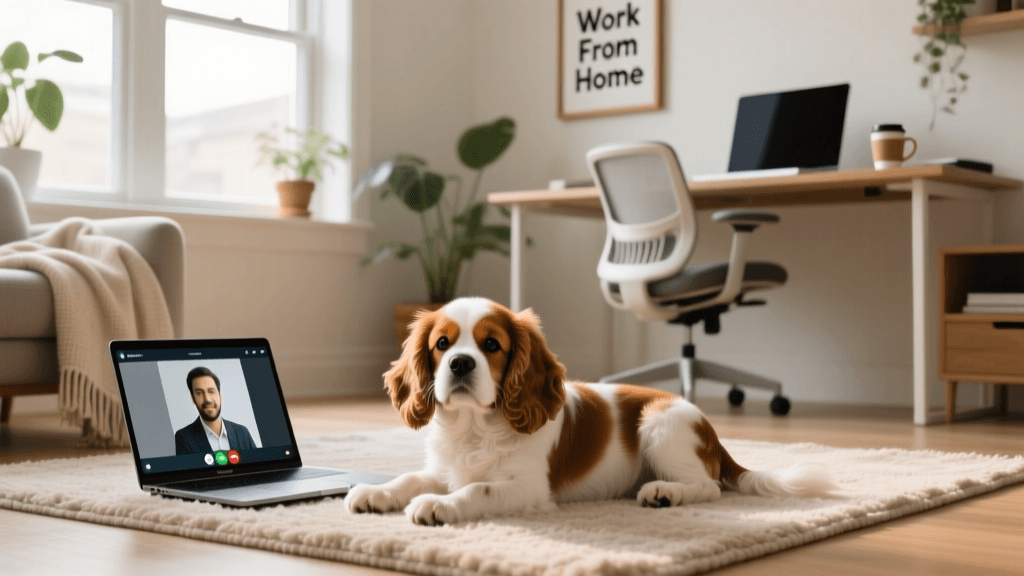
WFH Profile: Known for their eager-to-please temperament and low vocalization, Cavaliers are exceptional office mates. They thrive on proximity and are perfectly content sleeping under a standing desk.
Training Focus: Duration Mat Training. Cavaliers can develop velcro-dog tendencies. You must train a solid "Place" command on a raised cot so they learn to settle independently while you are on camera, rather than pawing at your chair for attention.
2. Greyhound
WFH Profile: Often misunderstood as high-energy racing dogs, Greyhounds are famously dubbed "45-mph couch potatoes." They sleep up to 18 hours a day and rarely bark without a severe trigger.
Training Focus: Impulse Control and Decompression. Retired racers or young Greyhounds need structured sniffaris and decompression walks before your workday begins to satisfy their sighthound prey drive, ensuring they remain dormant during your afternoon meetings.
3. Basset Hound
WFH Profile: Bassets are incredibly stubborn but generally quiet indoors. Their low energy levels make them ideal for small apartment home offices.
Training Focus: Scent-Based Mental Fatigue. Because physical exercise isn't enough to tire a Basset, you must utilize olfactory conditioning. Engaging them with complex snuffle mats and scent-work puzzles for 20 minutes before a major presentation will trigger their natural sleep cycle.
4. Bernese Mountain Dog
WFH Profile: Gentle giants with a calm indoor demeanor. They are highly observant but not typically alert-barkers, making them great for ground-floor home offices.
Training Focus: Spatial Boundary Training. Due to their massive size, a Bernese must be taught strict spatial boundaries so they do not accidentally knock over tripods, ring lights, or monitors when stretching.
The "Zoom Call" Desensitization Protocol
The most common disruption in a 2026 home office is the puppy reacting to digital audio triggers. Puppies are highly sensitive to the high-frequency pitches of notification sounds. To prevent your dog from barking every time a colleague joins a Microsoft Teams call, you must implement systematic desensitization.
Step 1: Audio Trigger Mapping
Record the specific sounds of your daily workflow: the Zoom entry chime, the Slack "knock," email pings, and your smartphone ringtone. Play these sounds on your computer speakers at a very low volume (around 10%) while feeding your puppy high-value treats like freeze-dried liver or boiled chicken. The goal is to build a Pavlovian association: Digital Chime = High-Value Reward.
Step 2: Volume Escalation
Over the course of two weeks, gradually increase the volume of the notifications by 10% increments per training session. If the puppy breaks their "down-stay" or whines, you have escalated too quickly. Drop the volume back down and rebuild the positive association. According to ASPCA's guidelines on managing canine barking, counter-conditioning is the most effective, humane method for altering a dog's emotional response to environmental triggers.
Step 3: The "Quiet" Command for Physical Triggers
Digital sounds aren't the only threat; doorbells and delivery drivers are inevitable. Teach the "Quiet" command using the "speak and shush" method. Trigger a mild alert (like a single knock), allow one bark, then present a treat directly to the dog's nose. As they stop barking to sniff the treat, mark the silence with a clicker or the word "Yes," and reward. Repeat until the dog associates the trigger with the behavior of looking at you silently for a reward.
Mastering the "Place" Command for Home Office Boundaries
A successful WFH dog must understand where they belong when the camera is on. The "Place" command is non-negotiable for remote workers. Unlike a simple "down-stay" on the floor, "Place" utilizes a specific tactile boundary, such as a raised cooling cot or a designated orthopedic mat.
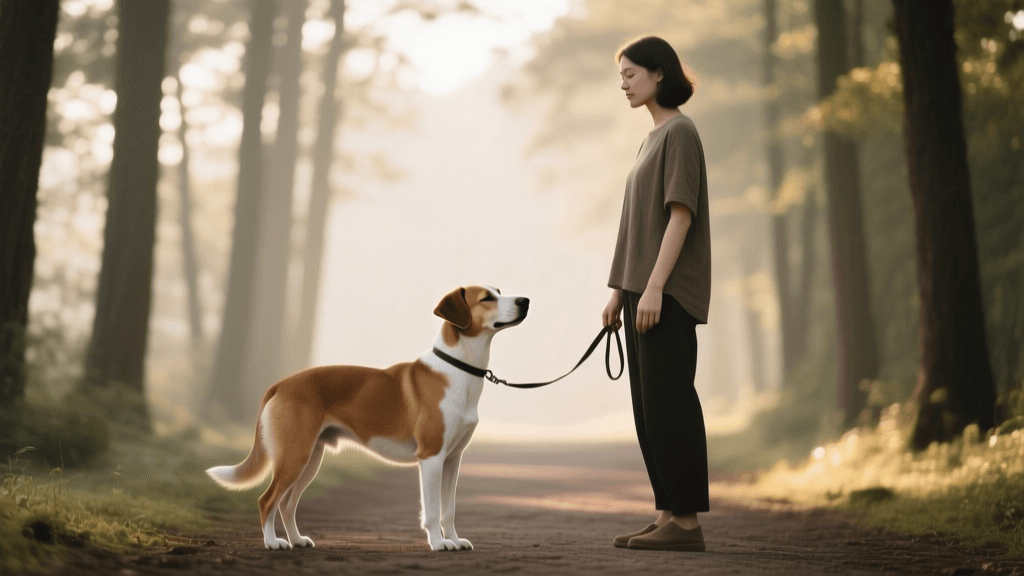
- Lure and Mark: With your puppy on a leash, toss a treat onto the mat. The moment all four paws touch the mat, click and reward.
- Add the Cue: Once the dog is reliably stepping onto the mat for treats, introduce the verbal cue "Place" just before they step on.
- Build Duration: Begin feeding treats continuously while the dog remains on the mat. Gradually increase the time between treats from 1 second to 5 seconds, then 30 seconds.
- Add Distance: Slowly move your desk chair further away from the mat. If the dog breaks the boundary, calmly reset them without offering a treat. Only reward when they hold the position while you simulate typing or talking on a headset.
2026 Breed Comparison Chart: Trainability & WFH Suitability
Use the table below to compare the behavioral traits and training timelines of the top WFH-friendly breeds.
| Breed | Energy Level | Bark Tendency | Best WFH Training Focus | Avg. Time to Master "Place" |
|---|---|---|---|---|
| Cavalier King Charles Spaniel | Low-Medium | Low | Duration Mat Training | 10-14 Days |
| Greyhound | Low (Indoors) | Very Low | Impulse Control & Settling | 7-10 Days |
| Basset Hound | Low | Medium (Bay) | Scent Work & Mental Fatigue | 21-30 Days |
| Bernese Mountain Dog | Medium | Low | Spatial Boundary Awareness | 14-21 Days |
Preventing WFH-Induced Separation Anxiety
One of the most dangerous pitfalls of raising a puppy in a 2026 remote-work household is accidental separation anxiety. Because you are home 24/7, the puppy assumes your constant presence is the baseline. When you eventually leave for a co-working day, a dental appointment, or a weekend trip, the behavioral fallout can be severe.
To combat this, you must schedule mandatory "alone time" training. Utilize a smart pet camera to monitor your dog while you step out. Start by leaving the house for just 5 minutes, gradually building up to 2-hour absences. Provide a long-lasting enrichment item, such as a frozen Kong stuffed with Greek yogurt and pumpkin, to create a positive association with your departure. As noted by ASPCA's resource on separation anxiety, establishing predictable departure routines and avoiding emotional farewells are critical steps in fostering canine independence.
Essential 2026 Training Gear for the Home Office
- Raised Orthopedic Cots: Brands like Kuranda or Coolaroo provide a defined, breathable "Place" boundary that keeps dogs off your feet and away from rolling desk chairs.
- Smart Treat Cameras: Devices like the Furbo 360 or Eufy Pet allow you to toss treats and reinforce quiet behavior remotely while you are presenting on screen.
- Silent Enrichment Toys: Lick mats and snuffle pads provide mental stimulation without the disruptive clicking and clattering of hard plastic puzzle toys during a quiet meeting.
- Indoor Potty Solutions: For high-rise apartment dwellers with back-to-back meetings, real-grass indoor potty systems (like Bark Potty) prevent emergency mid-call bathroom runs.
Conclusion
Raising a puppy while working remotely requires a delicate balance of boundary setting, environmental management, and proactive desensitization. By selecting a breed with a natural predisposition for indoor calmness and rigorously applying the audio-desensitization and "Place" command protocols outlined above, you can cultivate a professional, peaceful home office environment. Remember that consistency in 2026's hybrid world is key: train your puppy not just for the days you are home, but for the independence they will need when you eventually step away from the desk.
hannah-wickes
All our authors care for dogs every day — read more of their work on the authors page.