Mastering Canine Calming Signals for Reactivity in 2026
Learn to decode canine calming signals and apply modern 2026 leash reactivity training techniques for a stress-free, communicative bond with your dog.
The Evolution of Canine Communication in 2026
For decades, dog training was heavily influenced by outdated dominance theories that misinterpreted canine communication as a bid for power. Today, in 2026, the veterinary and behavioral science communities have fully embraced a more nuanced, empathetic approach rooted in nervous system regulation and bio-behavioral feedback. At the heart of this modern paradigm is the recognition of 'calming signals'—a concept pioneered by Norwegian dog trainer Turid Rugaas that has now become a cornerstone of contemporary positive reinforcement training.
Calming signals are subtle, involuntary, and voluntary body language cues that dogs use to self-soothe, de-escalate tension, and communicate their emotional state to other dogs and humans. When dealing with leash reactivity, recognizing these signals before a dog crosses their behavioral threshold is the difference between a successful training session and a stressful meltdown. By learning to read these micro-expressions, owners can intervene early, keeping their dog's sympathetic nervous system (fight or flight) from hijacking their cognitive learning abilities.
Decoding the Vocabulary of Stress and De-escalation
According to the ASPCA's comprehensive guidelines on dog behavior and care, understanding the root causes of reactivity requires observing the dog's entire body, not just the obvious signs like barking or lunging. Long before a dog reacts to a trigger (like an approaching dog, a skateboarder, or a loud noise), they broadcast a series of calming signals. Ignoring these early warnings forces the dog to 'shout' their discomfort through reactive behaviors.
Below is a detailed breakdown of the most common calming signals you will observe during leash reactivity training, along with the recommended 2026 protocol for owner responses.
| Calming Signal | Canine Meaning | 2026 Recommended Owner Response |
|---|---|---|
| Lip Licking / Tongue Flicks | Mild stress, anxiety, or anticipation of a trigger. | Increase distance from the trigger immediately; lower your voice and offer a high-value treat to reset the emotional baseline. |
| Yawning (when not tired) | Internal conflict, nervous system overload, or an attempt to self-soothe. | Do not force the dog to engage. Perform a 'U-turn' and walk away from the stressor to allow the parasympathetic nervous system to engage. |
| Turning Head / Looking Away | Polite de-escalation; the dog is trying to avoid conflict with the trigger. | Reward the dog heavily for this choice. This is a massive 'win' in reactivity training as the dog is choosing avoidance over aggression. |
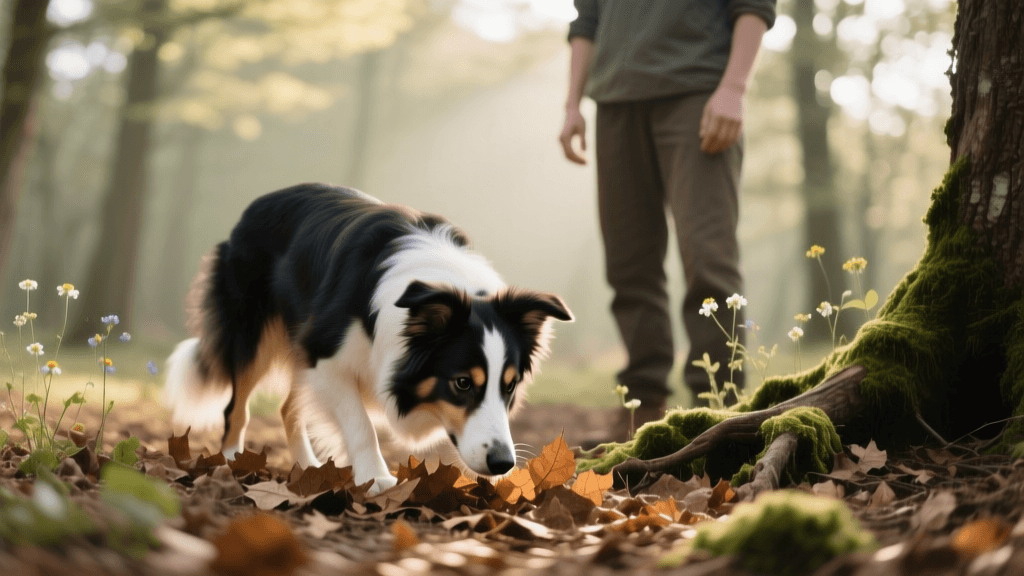
| Sniffing the Ground Intently | Displacement behavior; attempting to appear non-threatening while managing anxiety. | Allow the dog to sniff. Sniffing naturally lowers a dog's heart rate. Toss treats in the grass to encourage foraging and decompression. |
| Shaking Off (when not wet) | 'Resetting' the nervous system after a stressful encounter or adrenaline spike. | Give the dog space and time. Do not issue commands immediately after a shake-off; let them process the adrenaline dump. |
The 2026 Engage-Disengage Protocol
Modern leash reactivity training relies heavily on the Engage-Disengage game, a protocol designed to teach dogs that they can look at a trigger and then voluntarily disengage to look back at their handler for a reward. However, the 2026 iteration of this protocol places a much heavier emphasis on the handler's ability to read calming signals to dictate the pace of the game.
Step 1: Finding the Sub-Threshold Distance
Before you can begin training, you must find your dog's 'sub-threshold' distance. This is the distance at which your dog notices the trigger but does not exhibit severe stress signals (like whale eye, stiff posture, or closed-mouth panting). If your dog is offering rapid lip licks or rigid staring, you are too close. In 2026, trainers recommend starting at distances of 50 to 100 feet for highly reactive dogs, utilizing visual barriers like parked cars or hedges to manage the environment.
Step 2: The Engage Phase
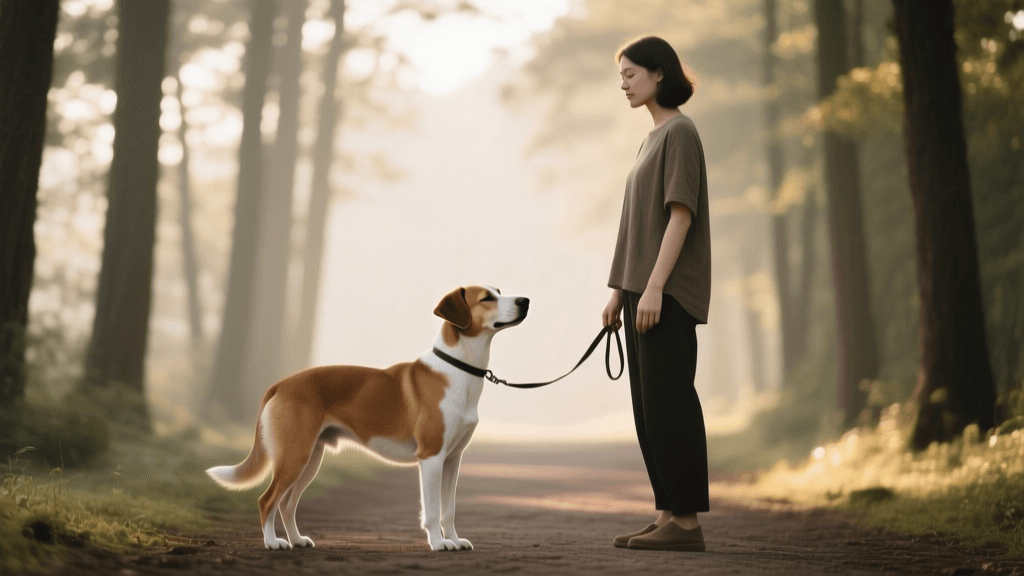
When your dog spots the trigger at a sub-threshold distance, mark the moment they look at it using a verbal marker like 'Yes!' or a clicker. The goal here is not to stare, but to acknowledge the trigger's presence. If your dog offers a calming signal like a head turn away from the trigger during this phase, mark and reward that immediately. You are reinforcing the dog's natural instinct to de-escalate.
Step 3: The Disengage Phase
After marking the engagement, wait for your dog to voluntarily turn their head back toward you. The moment they make eye contact or orient their body toward you, mark again and deliver a high-value reward (such as freeze-dried beef lung or minnows). If your dog cannot disengage within three seconds, the trigger is too close, or the reward value is too low. Calmly increase your distance without jerking the leash.
Essential Gear for Signal-Based Training
To effectively observe and respond to calming signals, your equipment must not restrict your dog's natural body language or cause physical discomfort that mimics stress. The Association of Professional Dog Trainers (APDT) consistently advocates for force-free equipment that supports canine communication rather than suppressing it through pain or fear.
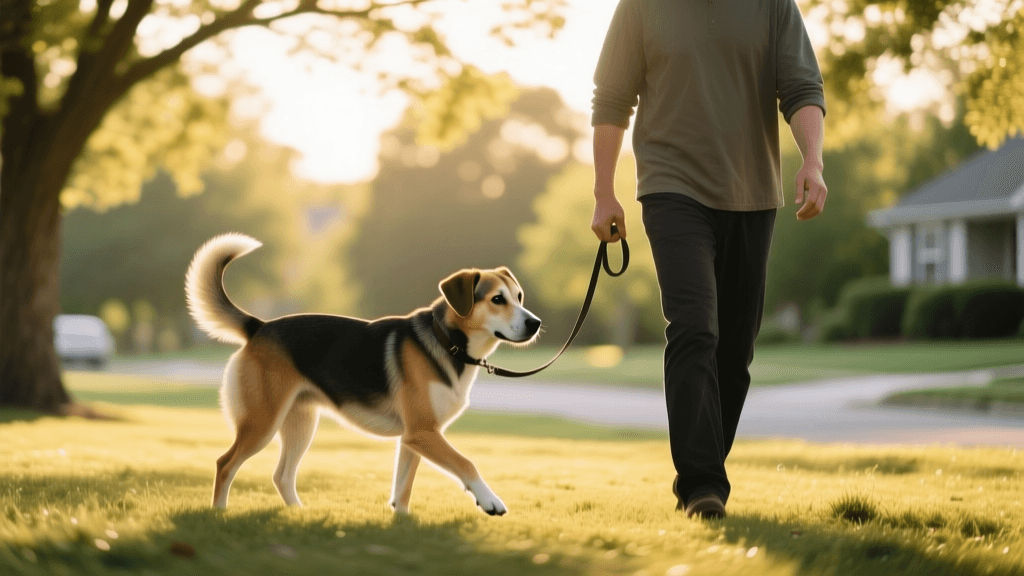
- 15-to-30-Foot Biothane Long Line: Retractable leashes are obsolete in modern reactivity training due to their lack of tactile feedback and high breakage risk. A waterproof, lightweight biothane long line allows your dog the freedom to sniff, curve their body, and offer natural calming signals without feeling trapped.
- Y-Front Harness: Avoid no-pull harnesses that restrict shoulder movement or tighten around the ribs. A well-fitted Y-front harness allows for full range of motion, ensuring that signals like play bows or stretching are not physically hindered.
- High-Value Foraging Mats: When taking decompression breaks during a walk, using a portable snuffle mat encourages the sniffing signal, which actively lowers cortisol levels and promotes a calm mental state.
The Danger of Suppressing the Growl
One of the most critical lessons in modern canine communication is understanding that a growl is not a sign of disobedience; it is a vital, high-level calming signal and a plea for distance. Historically, owners were taught to punish growling, which led to dogs that skipped the warning phase entirely and went straight to biting.
In 2026, behavioral consultants view the growl as a gift. It is your dog communicating, 'I am overwhelmed, and I need this situation to change.' If you punish the growl, you are essentially cutting the wires to the smoke detector in your house. The fire (the underlying fear or reactivity) is still there, but you will no longer receive the warning before the explosion. When your dog growls on a walk, the only correct response is to calmly and immediately increase the distance between your dog and the trigger, thereby validating their communication and building trust.
Environmental Decompression Walks
Reactivity training is mentally exhausting for a dog. Constantly managing their nervous system and practicing the engage-disengage protocol drains their cognitive reserves. To prevent 'trigger stacking'—where multiple minor stressors accumulate over a few days and result in a massive reactive outburst—modern trainers prescribe environmental decompression walks.
These walks take place in low-traffic, nature-rich environments where the dog is allowed to roam on a long line without any obedience demands. The goal is purely to let the dog sniff, explore, and offer natural calming signals in a stress-free environment. This practice helps reset their baseline stress levels, making them more resilient and receptive during your structured reactivity training sessions.
Conclusion
Mastering canine communication is not about forcing your dog to obey commands in the face of their fears; it is about becoming a fluent speaker of their language. By recognizing and respecting calming signals like lip licking, yawning, and ground sniffing, you transform from a dictator into an advocate. As we continue to advance in our understanding of animal behavior in 2026, the most successful leash reactivity programs are those built on a foundation of observation, empathy, and proactive threshold management. Listen to what your dog is whispering, so they never have to scream.
aaron-whyte
All our authors care for dogs every day — read more of their work on the authors page.