2026 Cooperative Care Dog Training: Build Trust Fast
Discover how 2026 cooperative care dog training transforms grooming into a bonding experience. Learn voluntary handling techniques to build deep trust.
The Paradigm Shift: Why Force-Free Handling Matters in 2026
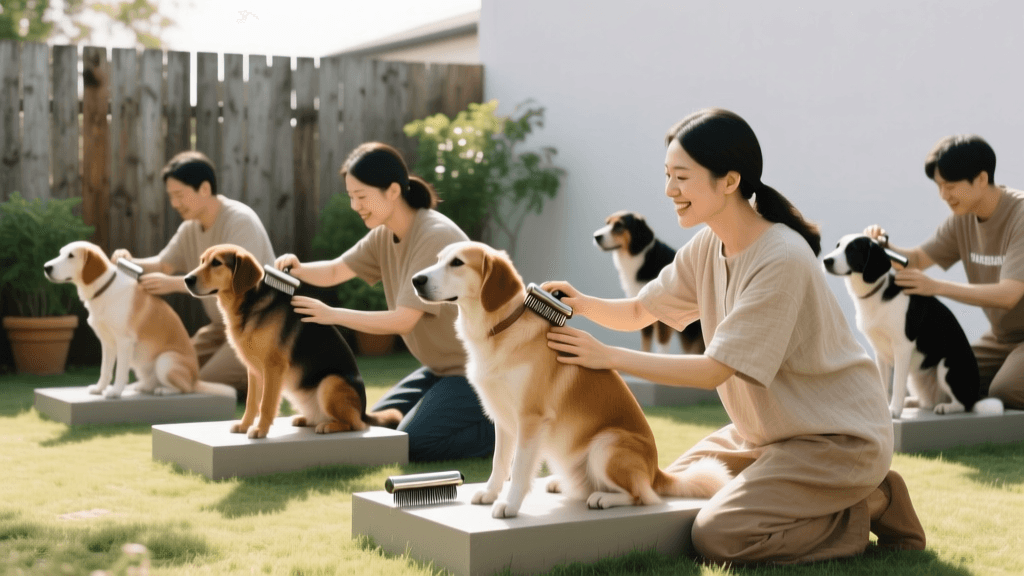
For decades, the standard approach to canine grooming and veterinary handling relied heavily on physical restraint. Dogs were pinned, muzzled, or forcibly held still while nails were clipped, ears were cleaned, and fur was brushed. While this achieved the immediate physical goal, it often came at a severe cost to the human-animal bond. As we navigate the advanced behavioral standards of 2026, the training and veterinary communities have overwhelmingly embraced cooperative care training. This methodology shifts the dynamic from forced compliance to voluntary participation, fundamentally transforming routine husbandry into a profound bonding experience.
Cooperative care is rooted in the principle of agency. By teaching your dog an 'opt-in' and 'opt-out' mechanism, you communicate that their comfort and boundaries are respected. When a dog learns that they have the power to pause or stop a procedure simply by lifting their head or stepping away, their baseline anxiety plummets. According to the behavioral guidelines championed by Fear Free Pets, reducing fear, anxiety, and stress (FAS) during handling not only makes the immediate task safer but also prevents the erosion of trust that occurs when a dog feels trapped.
The Psychology of Choice in Canine Bonding
Why does giving a dog a choice strengthen your relationship? The answer lies in canine neurochemistry and the concept of learned helplessness. When a dog is physically restrained against their will, their brain releases cortisol, the primary stress hormone. Over time, repeated forced handling can lead to learned helplessness—a state where the dog stops resisting not because they are comfortable, but because they believe they have no control over their environment. This creates a dog that is 'shut down' rather than cooperative.
Conversely, when a dog actively chooses to participate in a training exercise, their brain releases dopamine and oxytocin. Oxytocin, often called the 'bonding hormone,' is the same neurochemical that facilitates attachment between human parents and infants. By utilizing positive reinforcement and choice-based mechanics, you become a partner in your dog's care rather than an adversary. The American Kennel Club frequently highlights that engagement-based training builds a dog's confidence and drive, making them more eager to work with you in all areas of life, from basic obedience to complex trick training.
'When we give dogs the power to say no, their yes becomes a genuine expression of trust rather than a symptom of learned helplessness.'
Essential Tools for Cooperative Care Success
To implement cooperative care effectively, you need the right equipment. The market in 2026 offers several specialized tools designed to facilitate low-stress handling and voluntary grooming. Here are the top recommendations for building your cooperative care kit:
- Lickimat Soother (Approx. $14): Made from non-toxic, food-grade TPR, this textured mat is perfect for spreading high-value treats like plain pumpkin puree, bone broth, or lickable dog treats. The act of licking is naturally soothing for dogs and helps lower their heart rate during desensitization exercises.
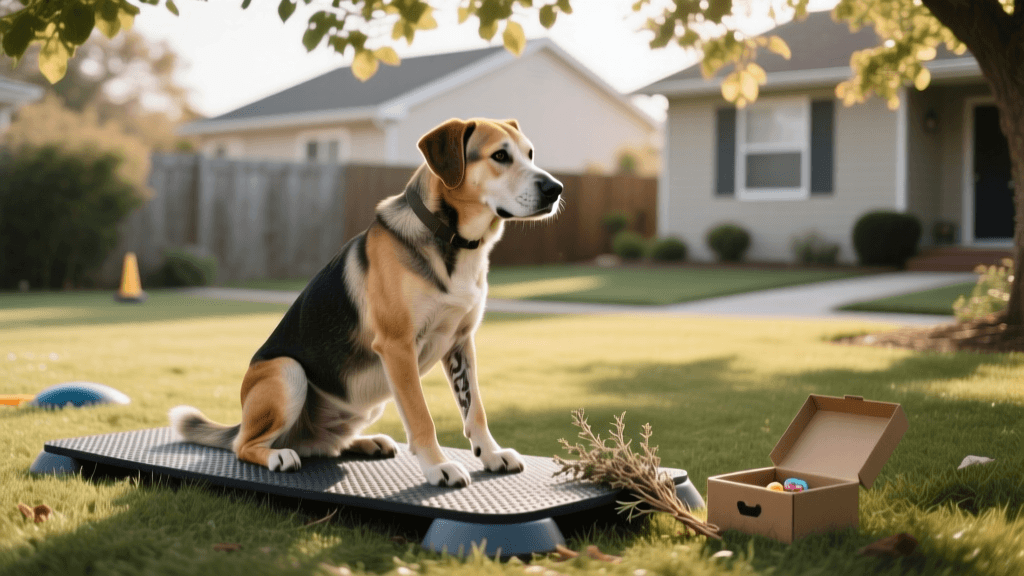
- ScratchPad for Dogs (Approx. $38): This is a specialized board fitted with replaceable sandpaper strips. It allows dogs to voluntarily file down their own front nails by scratching the board, completely bypassing the need for manual clipping and the associated fear of the 'quick' being cut.
- Dremel PawControl 7300-PT (Approx. $35): For dogs that need their nails shortened beyond what a scratch board can achieve, this low-vibration, cordless rotary tool is the gold standard. Its quiet motor and built-in LED light reduce sensory overwhelm and improve visibility.
- Non-Slip Yoga Mat or 'Chin Rest' Target Pad (Approx. $20): A dedicated, textured mat that signals to the dog that it is time to settle into their cooperative care station.
Step-by-Step: Teaching the 'Chin Rest' Station
The chin rest is the foundational behavior of cooperative care. It is used for eye drops, ear cleaning, tooth brushing, and facial grooming. The goal is for the dog to voluntarily place their chin on a target (like a folded towel or a specialized padded stand) and keep it there while you perform a task.
Phase 1: Targeting and Duration
Begin by placing a small, distinct towel on the floor or a low stool. Lure your dog's nose down to the towel using a high-value treat. The moment their chin touches the towel, click a marker (or say 'Yes!') and feed them in the exact position you want their head to remain. Repeat this until the dog is confidently offering the chin touch without a lure. Gradually delay the marker by half-seconds to build duration, rewarding heavily for stillness.
Phase 2: The Opt-Out Mechanism
This is the most critical step for bonding. You must teach the dog that lifting their head stops the exercise. While the dog is holding the chin rest, gently touch their shoulder. If they keep their head down, mark and reward. If they lift their head, immediately withdraw your hand, take a step back, and reset. Do not scold the dog. This teaches them that lifting their head is a valid, consequence-free way to communicate 'I need a break.' Once they realize they are in control, you will see their physical tension melt away.
Phase 3: Adding the Grooming Tools
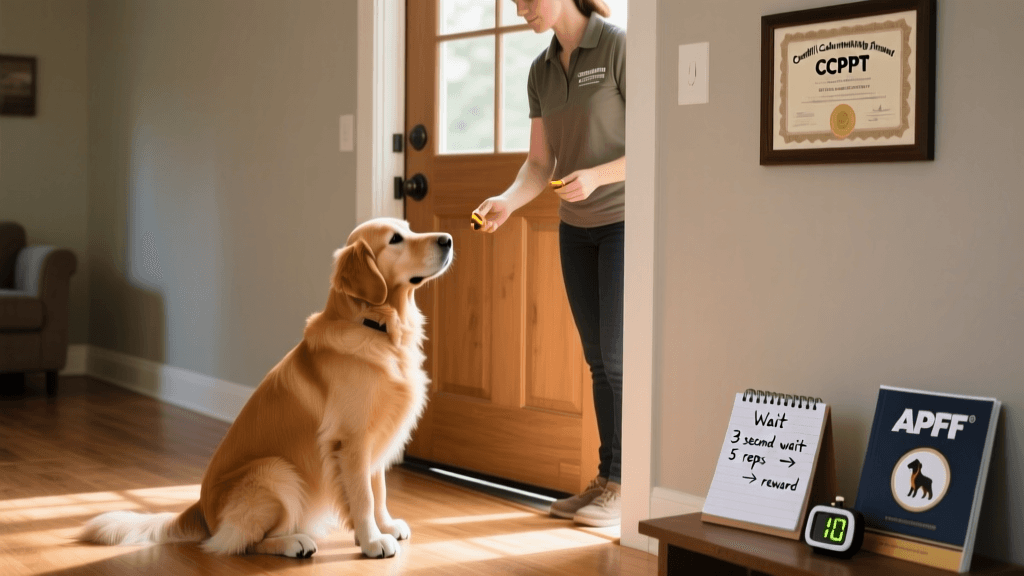
Once the dog can hold a chin rest for 10 seconds with a 90% success rate, introduce the grooming tool. Show the tool, reward. Touch the tool to their shoulder, reward. Touch the tool to their face, reward. Keep sessions under three minutes to prevent frustration. If the dog opts out, respect it immediately, end the session on a positive note, and try again later with a smaller step.
Step-by-Step: Voluntary Nail Filing with a Scratch Board
Nail trims are notoriously stressful, often leading to fractured relationships and even bites. The scratch board empowers the dog to do the work themselves, turning a dreaded chore into an engaging game of fetch and paw-targeting.
Step 1: Place the ScratchPad flat on the ground. Reward any interaction with the board, even just sniffing or looking at it.
Step 2: Use a treat to lure the dog's front paw over the board. When their nails make contact with the sandpaper and create a scratching sound, mark and reward enthusiastically.
Step 3: Shape the behavior into a deliberate, rhythmic scratching motion. You can teach a verbal cue like 'File it!' or 'Scratch!'
Step 4: Monitor nail length closely. Because the dog is in control of the pressure and frequency, they will naturally stop when their paws feel sensitive. Always follow up a scratch board session with a soothing paw massage to reinforce the bonding aspect of the routine.
Traditional Restraint vs. Cooperative Care: A 2026 Comparison
Understanding the measurable differences between old-school restraint and modern cooperative care highlights why the latter is vastly superior for long-term relationship building.
| Metric | Traditional Restraint | Cooperative Care Training |
|---|---|---|
| Canine Stress Level | High (Cortisol spikes, panting, whale eye) | Low (Stable heart rate, relaxed posture) |
| Handler Safety | Risk of fear-based biting or scratching | Highly safe; dog opts out before reaching threshold |
| Impact on Bond | Erodes trust; creates avoidance behaviors | Deepens trust; builds mutual communication |
| Time Investment | Fast initial completion, long-term regression | Slower initial setup, lifelong reliability |
| Emotional State | Learned helplessness, shutdown | Active engagement, confidence, oxytocin release |
Troubleshooting Common Setbacks
Even with the best intentions, you may encounter hurdles. Here is how to navigate them while preserving your bond:
- The Dog Opts Out Immediately: If your dog lifts their head the second you introduce a tool, you have moved too fast. Return to the previous successful step. If they opt out of the chin rest entirely, the environment might be too distracting, or the treat value might be too low.
- Over-Arousal and Frustration: Some high-drive dogs become frustrated if the treats stop flowing or if they don't understand the criteria. If your dog starts barking or pawing at you, implement a 'reset' cue. Toss a treat away from the station to break their focus, allow them to eat it, and invite them back calmly.
- Sensitivity to Touch: If your dog has a history of pain (e.g., undiagnosed arthritis or dental disease), they may genuinely be unable to tolerate certain positions. Always consult a veterinarian to rule out medical causes before assuming a behavioral aversion.
Final Thoughts on Deepening Your Relationship
Training is not merely about achieving obedience; it is the primary language through which you and your dog communicate. By adopting cooperative care techniques in 2026, you are doing far more than making nail trims and vet visits easier. You are actively proving to your dog that you are a safe, predictable, and empathetic leader. Every time you respect their 'opt-out,' you are making a deposit into your relationship bank account. Over time, this mutual respect translates into a dog that is more attentive, more resilient in stressful environments, and deeply connected to you. Embrace the patience required for cooperative care, and you will be rewarded with a bond that is truly unbreakable.
beth-carrasco
All our authors care for dogs every day — read more of their work on the authors page.