Canine OA Training: Modified Routines & Mental Exercises 2026
Discover how modified obedience, scent work, and balance pad training safely manage canine osteoarthritis while keeping your dog mentally sharp in 2026.
The 2026 Paradigm Shift: Training as OA Management
Osteoarthritis (OA) is a progressive, degenerative joint disease that affects a vast majority of senior dogs and an increasing number of younger canines due to genetic predispositions or prior injuries. For decades, the standard advice for dogs diagnosed with OA was strict rest and a cessation of active training. However, veterinary rehabilitation specialists in 2026 recognize that complete physical and mental stagnation accelerates muscle atrophy, worsens joint stiffness, and leads to severe behavioral issues born from boredom and anxiety.
Today, the focus is on therapeutic training. By modifying traditional obedience commands, introducing low-impact mental stimulation like scent work, and utilizing proprioception equipment, owners can actively manage their dog's OA symptoms while maintaining a strong, cooperative bond. According to the American Kennel Club's health guidelines on canine osteoarthritis, maintaining lean muscle mass through controlled, low-impact movement is one of the most effective ways to support compromised joints and reduce chronic pain.
This comprehensive guide will walk you through the best modified training routines, mental exercises, and environmental setups to keep your OA-diagnosed dog thriving, engaged, and comfortable throughout 2026 and beyond.
Modifying Standard Obedience Commands for Joint Health
Standard obedience training often relies on repetitive, high-torque movements that can exacerbate joint inflammation. The 'sit' command, for example, requires deep flexion of the hips and stifles (knees). For a dog with hip dysplasia or severe stifle OA, repeatedly sitting on hard surfaces can cause micro-trauma and significant discomfort. Similarly, commands that require jumping, sudden stops, or rearing up place undue stress on the spine and shoulders.
To train a dog with OA, we must swap high-impact commands for joint-friendly alternatives that achieve the same behavioral goal without the physical toll.
Comparison: Traditional vs. OA-Modified Commands
| Traditional Command | Joint Impact | OA-Modified Alternative | Therapeutic Benefit |
|---|---|---|---|
| Sit | High hip and knee flexion; pressure on lower spine | Down / Sphinx Rest | Distributes weight evenly; eliminates deep joint folding |
| Jump / Up | Severe compressive force on carpal and shoulder joints | Touch (Hand Target) | Keeps all four paws grounded while maintaining engagement |
| Fetch (Hard Stops) | High impact on shoulders and spinal torque during turns | Scent Work (Nosework) | Zero impact; provides profound mental fatigue without running |
| Heel (Pivoting) | Lateral stress on hocks and stifles during tight turns | Loose Leash Walking | Encourages natural, fluid gait without forced alignment |
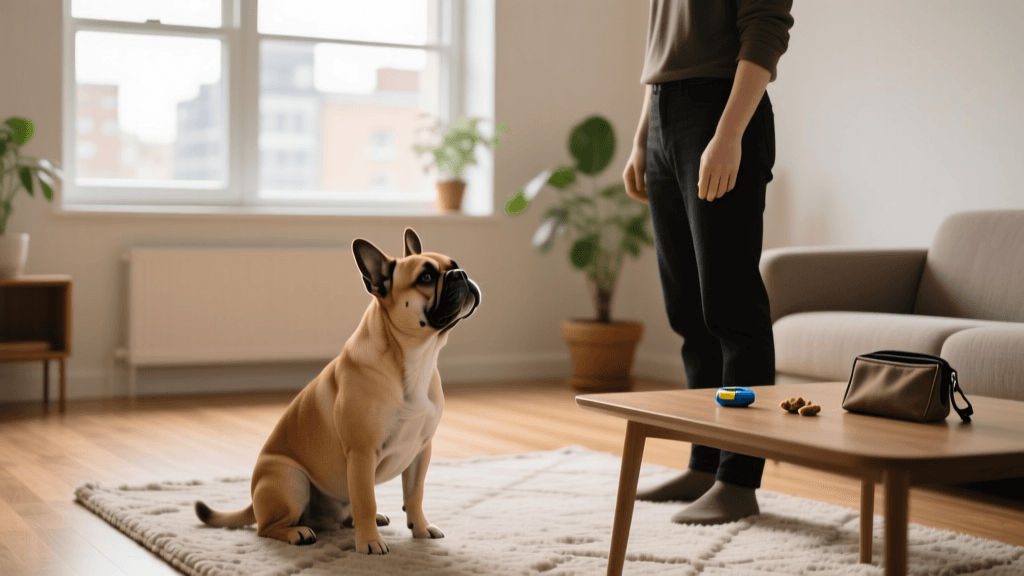
When teaching the 'Down' command as a replacement for 'Sit', use a soft, orthopedic memory foam mat. Lure your dog into a sphinx position (front legs extended forward) rather than a tucked sit, as this prevents the hips from bearing the brunt of the dog's body weight while stationary.
Scent Work: The Ultimate Low-Impact Brain Game
If physical exercise must be restricted due to an OA flare-up, mental exercise must increase to compensate. A 20-minute scent work session can tire a dog out as much as a two-mile walk, making it an indispensable tool for OA management. The AKC Scent Work program highlights that this sport is built on the natural canine instinct to hunt using their nose, making it accessible and highly rewarding for dogs of all ages and physical limitations.
Step-by-Step Scent Work Training for OA Dogs
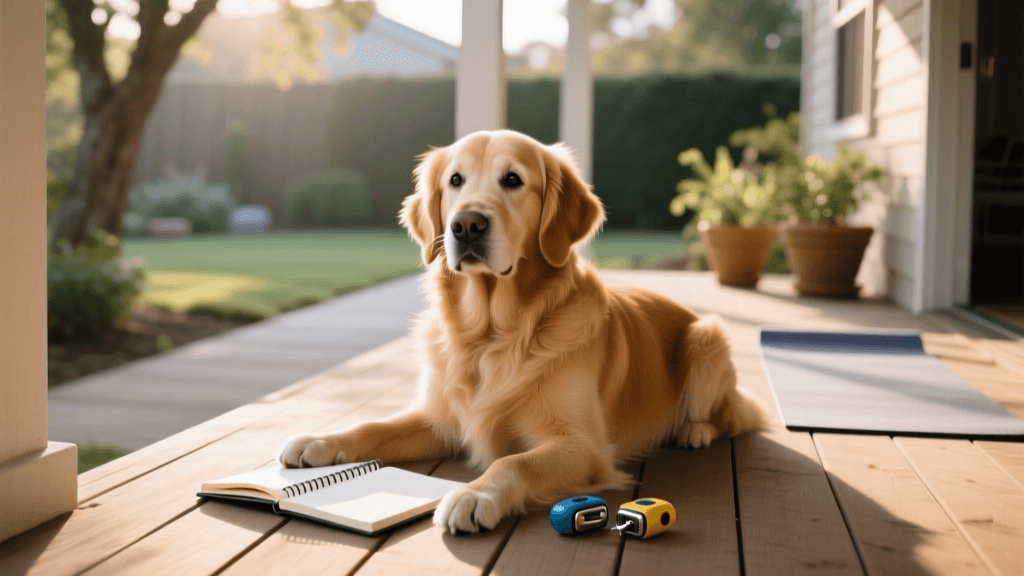
1. Scent Imprinting: Begin with a novel, safe scent such as Birch, Anise, or Clove essential oil. Place a single drop on a cotton swab and hide it inside a ventilated tin. Present the tin to your dog while they are comfortably resting on their orthopedic bed. The moment they sniff the tin, mark the behavior with a clicker or a gentle 'yes' and deliver a high-value treat. Repeat this until the dog actively seeks out the scent tin.
2. Box Searches (Ground Level): Arrange four to six cardboard boxes on the floor. Place the scent tin in one of the boxes. Encourage your dog to investigate the boxes at their own pace. Because the boxes are on the floor, your dog does not need to jump, rear up, or strain their neck. This builds confidence and burns mental energy without requiring any strenuous physical maneuvering.
3. Elevated but Accessible Hides: As your dog progresses, move the scent hides to low, accessible elevations, such as the bottom rung of a chair leg or a low footstool. Avoid placing hides on high shelves or countertops, which might encourage the dog to jump or stretch painfully. The goal is to encourage gentle neck mobility and slow, deliberate walking.
4. Outdoor Trailblazing: Take the scent work outside to a flat, grassy area. Drag the scent tin through the grass to create a 'scent trail' leading to a hidden reward. This encourages your dog to walk at a slow, methodical pace, engaging their core and promoting a healthy, low-impact gait that lubricates the joints without causing impact trauma.
Proprioception and Balance Pad Training
Proprioception is the body's ability to sense its location, movements, and actions. In dogs with OA, joint pain often leads to poor proprioception, causing them to scuff their toes, slip on hard floors, and compensate by shifting weight to healthy limbs, which eventually overloads those limbs as well. According to resources from the Washington State University College of Veterinary Medicine, targeted physical rehabilitation exercises can significantly improve joint stability and slow the progression of OA.
Incorporating balance equipment into your training routine acts as both a physical therapy and a mental conditioning exercise.
Using Tactile Balance Pods for Core Strengthening
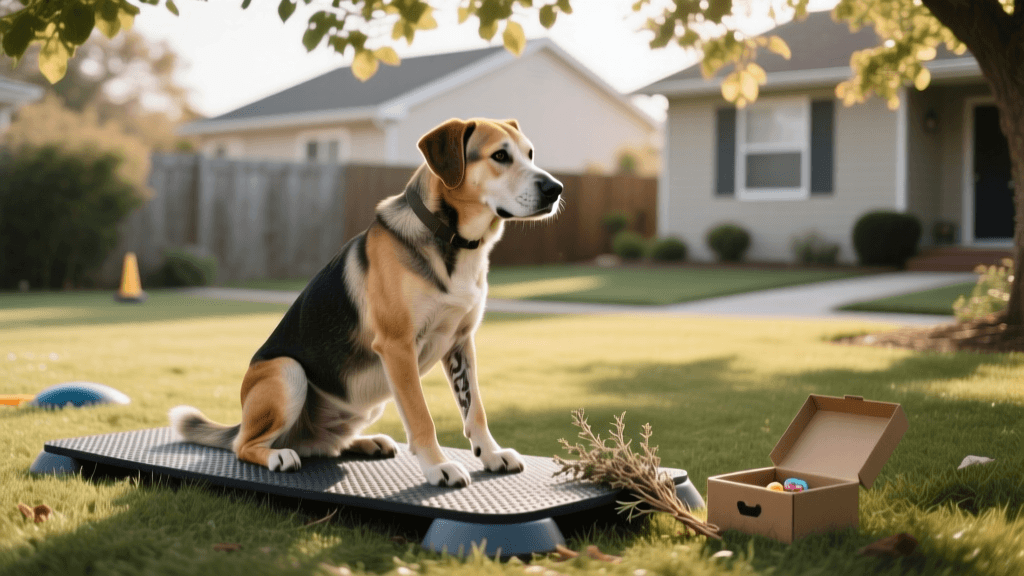
Invest in a set of canine-specific inflatable balance pods or tactile paw targets (such as the 2026 lineup of FitPAWS or similar rehab-grade equipment). These tools provide a slightly unstable surface that forces the dog to engage their deep core stabilizers and the small muscles surrounding the affected joints.
- Exercise 1: Front Paw Targeting. Place two flat tactile pods on a non-slip yoga mat. Lure your dog to place their two front paws on the pods while their hind paws remain on the mat. Hold for 5 to 10 seconds, rewarding heavily. This builds shoulder stability and core strength without requiring movement.
- Exercise 2: Weight Shifting. With your dog's front paws on the pods, gently use a treat to lure their nose slightly to the left, then to the right. This forces them to shift their weight laterally, improving joint fluid circulation and strengthening the lateral stabilizing ligaments in the carpus and shoulder.
- Exercise 3: The Back-Up. Teach your dog to take two steps backward. This is a phenomenal exercise for hind-end awareness and strengthens the glutes and hamstrings, which are critical for supporting dogs with hip or stifle OA. Use a narrow hallway or a channel of chairs to prevent them from turning around, and lure them backward with a treat held at their chest level.
Environmental Management During Training Sessions
No amount of modified training will be effective if the environment undermines your dog's joint health. Slipping and sliding on hardwood, tile, or laminate floors is a primary cause of acute OA flare-ups. When a dog loses their footing, the sudden, jarring compensation can tear ligaments or severely inflame existing arthritic joints.
Before initiating any training session in 2026, ensure your training area is fully optimized. Lay down interlocking foam puzzle mats or secure, low-pile area rugs with non-slip rubber backing. If you are training outdoors, avoid uneven, rocky terrain or deep, resistance-heavy sand, which can overexert compromised joints. Stick to flat, well-maintained grass or smooth dirt paths.
Integrating OA Supplements into Training Rewards
Training requires a steady stream of rewards. For an OA dog, this is a prime opportunity to integrate joint-supporting supplements into their daily diet without the struggle of pill-popping. Many premium canine joint supplements now come in soft-chew treat formats that are highly palatable and easily broken into pea-sized pieces for training markers.
Look for chews containing a synergistic blend of Glucosamine Hydrochloride, Chondroitin Sulfate, MSM (Methylsulfonylmethane), and Omega-3 fatty acids (EPA/DHA) derived from wild-caught fish oil. Green-lipped mussel extract is another highly recommended ingredient in 2026 for its natural anti-inflammatory properties. By using these therapeutic chews as your primary training reward, you ensure your dog receives their daily joint support precisely when their brain is most engaged and receptive.
Recognizing Pain Signals and Knowing When to Stop
Dogs are stoic creatures and will often work through pain to please their owners or earn a reward. As a handler, it is your responsibility to monitor for subtle signs of discomfort during training. If you observe any of the following behaviors, end the session immediately, offer gentle praise, and allow your dog to rest on their orthopedic bed:
- Excessive lip licking or yawning when not tired
- Reluctance to take a treat or dropping treats frequently
- Trembling in the limbs or a hunched, roached back
- Sudden aversion to a previously mastered command
- Panting heavily in a cool, indoor environment
Conclusion: A Compassionate Approach to Lifelong Learning
A diagnosis of canine osteoarthritis does not mean the end of your dog's training journey; it simply requires a pivot toward compassion, creativity, and biomechanical awareness. By embracing modified obedience, diving deep into the mentally exhausting world of scent work, and utilizing proprioception tools, you can protect your dog's joints while keeping their mind sharp and engaged. The 2026 approach to canine OA is holistic, recognizing that a well-trained, mentally stimulated dog is a happier dog, and a happier dog experiences a vastly improved quality of life despite the challenges of chronic joint disease.
robin-maitland
All our authors care for dogs every day — read more of their work on the authors page.