Viral TikTok Dog Training Trends: What Actually Works
Discover which viral TikTok dog training trends are safe, effective, and worth trying, and which dangerous fads you must avoid to protect your pup.

The Allure of the 60-Second Dog Trainer
Scroll through TikTok, Instagram Reels, or YouTube Shorts for just five minutes, and you will inevitably encounter a viral dog training video. The hashtag #dogtraining boasts tens of billions of views across social platforms, transforming everyday pet owners into amateur behaviorists and elevating charismatic trainers to celebrity status. While this explosion of accessible content has helped many dogs find structure, it has also spawned a dangerous underbelly of pseudoscience, outdated dominance theories, and quick-fix gimmicks designed to chase algorithmic engagement rather than prioritize animal welfare.
As a senior dog care advocate, I spend hours analyzing these viral clips to separate the gold from the garbage. When a 60-second video promises to 'fix' severe leash reactivity or teach a flawless off-leash recall, it is crucial to look past the flashy editing and evaluate the underlying behavioral science. Below, we break down the most trending dog training methods on social media, detailing exactly what works, what is actively harming your dog, and how to implement the safe trends at home with specific products, timings, and costs.
The Good: Viral Trends Backed by Science
1. The 'Place' Command and Mat Training
One of the most wholesome and effective trends on social media is the 'Place' command. You have likely seen videos of dogs calmly resting on elevated cots while their owners cook, work, or host guests. This is not just a neat trick; it is a foundational behavioral conditioning tool that teaches impulse control and provides a safe haven for anxious dogs.
How to Implement It:
- The Gear: Invest in an elevated cot like the Kuranda Chewproof Dog Bed (approx. $130) or a budget-friendly 24x36 inch fleece mat ($20). Elevated beds provide a clear tactile boundary that dogs can easily distinguish from the rest of the floor.
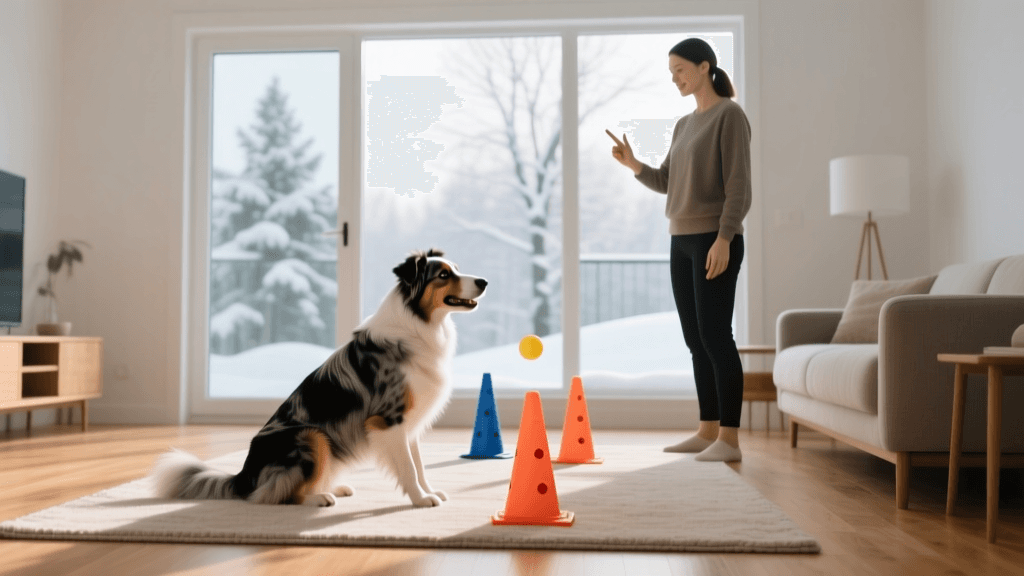
- The Lure: Hold a pea-sized treat (about 1/4 inch) near your dog's nose and slowly guide them onto the mat. The moment all four paws touch the surface, use a marker word like 'Yes!' and deliver the treat within 1.5 seconds.
- Building Duration: Once your dog reliably steps onto the mat, delay the reward. Start with 3 seconds, then 10, then 30. According to the American Kennel Club (AKC), consistency in releasing the dog with a specific cue like 'Okay' is vital so they understand when the exercise is complete.
- Cost & Timeline: Expect to spend 10-15 minutes a day on this. You can achieve a solid 5-minute 'Place' in about three to four weeks of daily practice.
2. Enrichment Feeding and Snuffle Mats
ASMR dog feeding videos and elaborate puzzle toy setups are massively popular, and for good reason. Enrichment feeding taps into a dog's natural foraging instincts, slowing down their eating pace and providing crucial mental stimulation that can tire them out just as much as a two-mile walk.
How to Implement It:
- The Gear: The Outward Hound Snuffle Mat ($19.99) is a viral favorite. For heavy chewers, consider a Kong Classic ($15) stuffed with wet food and frozen for four hours.
- The Method: Instead of serving 1.5 cups of kibble in a stainless steel bowl, scatter it deep within the fabric strips of the snuffle mat. For advanced dogs, mix in freeze-dried liver pieces to increase the scent drive.
- Safety Note: Always supervise your dog with fabric-based puzzles to prevent ingestion of torn material. Wash the snuffle mat weekly in a garment bag to prevent bacterial buildup.
The Bad: Dangerous Viral Fads to Avoid
1. Alpha Rolls and Dominance Theory
Unfortunately, shock value drives engagement. A persistent and deeply harmful trend involves trainers forcibly pinning dogs to the ground (the 'Alpha Roll') to assert dominance and stop unwanted behaviors like growling or resource guarding. These videos often show a dog suddenly becoming 'calm' and submissive, which uneducated viewers mistake for obedience.
In reality, this forced calmness is a psychological state known as learned helplessness. The dog is not learning that guarding a bone is wrong; they are learning that expressing discomfort results in physical intimidation, so they shut down to avoid further conflict. The Humane Society of the United States explicitly warns against dominance-based training, noting that the 'alpha wolf' theory has been thoroughly debunked by modern wildlife biologists and veterinary behaviorists. Using physical force drastically increases the risk of defensive aggression and destroys the trust between you and your dog.
2. DIY E-Collar 'Hacks' for Instant Recall
Electronic collars (shock collars) are frequently featured in viral recall videos, showcasing dogs sprinting back to their owners from hundreds of yards away. While e-collars are a valid tool when used by certified professionals for off-leash safety, the viral 'hack' culture promotes uneducated owners buying cheap, unregulated collars from online marketplaces for $30 and applying high-level stimulation without any foundational conditioning.
The American Veterinary Society of Animal Behavior (AVSAB) strongly cautions against the use of aversive punishment, highlighting that it can cause severe behavioral fallout, including fear, anxiety, and redirected aggression. If a dog associates the shock with a nearby child or another dog rather than their own action, you have just created a severe reactivity issue. Leave e-collar conditioning to certified professionals who understand the precise timing and threshold levels required.
The Ugly: The Illusion of the 'Perfect' Viral Dog
What social media rarely shows is the 'extinction burst'—the frustrating period where a dog's unwanted behavior temporarily worsens before it improves. A viral video might show a dog barking at the doorbell, followed by a quick cut to the dog sitting silently for a treat. What was edited out? The 45 minutes of crying, barking, and owner frustration that occurred in between.
Real behavioral modification is slow, repetitive, and often boring to watch. If a trending video promises overnight results for complex issues like separation anxiety or severe leash reactivity, it is likely relying on heavy editing, aversive suppression, or a dog that was already partially trained before the cameras started rolling.
Comparison Chart: Viral Trends Evaluated
| Trend | Virality | Safety Rating | Effectiveness | Expert Verdict |
|---|---|---|---|---|
| Place Command (Mat Training) | High | 10/10 | High | Highly Recommended |
| Snuffle Mats & Enrichment | High | 10/10 | High | Highly Recommended |
| Alpha Rolls (Dominance) | Medium | 1/10 | Negative | Avoid Completely |
| DIY E-Collar Hacks | High | 2/10 | Variable | Avoid Completely |
| Balanced Leash Pops | High | 4/10 | Medium | Not for Beginners |
How to Spot a Qualified Dog Trainer Online
When seeking advice online or looking to hire a professional, bypass the influencers with millions of followers and look for verifiable credentials. The dog training industry is largely unregulated, meaning anyone can call themselves a 'behaviorist' on TikTok.
Look for certifications from reputable organizations such as:
- CPDT-KA: Certified Professional Dog Trainer - Knowledge Assessed.
- KPA CTP: Karen Pryor Academy Certified Training Partner.
- IAABC: International Association of Animal Behavior Consultants.
If your dog is struggling with behavioral issues that viral trends cannot fix, expect to invest in professional help. Group obedience classes typically cost between $150 and $200 for a six-week course. For severe reactivity or aggression, private consultations with a certified behaviorist generally range from $150 to $250 per hour. This investment is vastly cheaper than the emotional and financial toll of a dog bite lawsuit or a surrendered pet.
Final Thoughts on Trending Training
Social media is a fantastic place to find inspiration for new tricks, enrichment ideas, and community support. However, your dog's mental and physical well-being should never be subjected to a viral experiment. Stick to force-free, science-backed methods like mat training and puzzle enrichment, and always consult a certified professional before attempting to modify complex behavioral issues. By filtering out the toxic fads and embracing proven conditioning techniques, you will build a deeper, more trusting bond with your best friend.
tom-renshaw
All our authors care for dogs every day — read more of their work on the authors page.