Training
Fueling Canine Athletes: Nutrition For Intensive Training
Discover how to fuel your dog for intensive training sessions. Learn treat-calorie management, timing, and top nutrient-dense rewards for canine athletes.
By aaron-whyte · 3 June 2026
When we think of dog training, we often focus on behavioral psychology, operant conditioning, and timing. However, from a health and nutrition perspective, training is an athletic and cognitive endeavor that demands precise metabolic fuel. Whether you are shaping complex agility sequences, practicing high-drive obedience, or working through intensive behavioral modification, your dog’s brain and muscles are burning significant energy. In this deep dive, we explore the intersection of canine nutrition and training, providing actionable strategies to optimize your dog’s diet, manage treat calories, and maintain peak physical and mental health during rigorous learning sessions.
The Metabolic Demands of Canine Learning
The canine brain, much like the human brain, relies heavily on glucose for cognitive function. When a dog is learning a new behavior, forming neural pathways requires immense neurological energy. A study published in veterinary cognitive science suggests that mental exertion can be just as exhausting as physical exercise. This is why a 15-minute session of intense scent work or shaping can leave a dog panting and ready for a nap. To support this cognitive load, your dog needs a steady supply of high-quality proteins and complex carbohydrates. If a dog is trained in a fasted state or on a nutrient-deficient diet, their attention span will fracture, and frustration thresholds will lower, leading to ineffective training sessions.The 10% Rule: Budgeting Calories for High-Volume Repetitions
One of the greatest challenges in positive reinforcement training is the sheer volume of treats required. Shaping a new behavior might require dozens of repetitions, each rewarded with food. According to the U.S. Food and Drug Administration (FDA) and leading veterinary nutritionists, treats and snacks should make up no more than 10% of your dog’s total daily caloric intake to prevent obesity and nutritional imbalances. The American Kennel Club (AKC) also heavily advocates for this 10% rule to ensure dogs receive the complete and balanced nutrition found in their primary meals. Let us break down the math for a practical scenario. An active 30-pound Border Collie requires approximately 800 to 900 kilocalories (kcal) per day. Ten percent of this diet equates to an 80 to 90 kcal treat budget. If you are using standard commercial training treats that contain 15 kcal per piece, you will exhaust your daily treat budget in just six repetitions. This is entirely unsustainable for intensive training. The solution is twofold: utilizing ultra-low-calorie rewards and deducting training treats directly from your dog’s daily meal allotment.High-Value vs. Low-Value Rewards: A Nutritional Comparison
Not all training moments require the same level of motivation. A dog practicing a basic 'sit' in a quiet living room requires a different reward than a dog practicing a recall away from a chasing squirrel. Understanding the nutritional profile, cost, and caloric density of various rewards is essential for the health-conscious handler. Below is a structured comparison of common training rewards, evaluated for their utility in different training scenarios.| Treat Type | Brand / Source Example | Calories per Piece | Approx. Cost per Ounce | Best Training Use Case |
|---|---|---|---|---|
| Commercial Training Bites | Zuke's Mini Naturals | ~3 kcal (1/4 inch piece) | $0.85 | Basic obedience, luring, high-repetition shaping. |
| Freeze-Dried Raw Liver | Stella & Chewy's Beef Liver | ~4 kcal per crumble | $2.60 | High-distraction environments, emergency recalls, counter-conditioning. |
| Boiled Chicken Breast | Homemade (cubed 1/4 inch) | ~2 kcal per cube | $0.45 | Dogs with sensitive stomachs, food allergies, or poultry-driven drive. |
| Daily Kibble Allotment | Purina Pro Plan Sport | ~3 kcal per kibble | $0.22 | Low-distraction environments, crate training, duration stays. |
Actionable Advice for Treat Management
- The Kibble Deduction Method: Measure your dog’s daily kibble portion in the morning. Remove 20% of that kibble and place it in a training pouch. Use this kibble for low-value repetitions throughout the day. This guarantees you never overshoot your dog's caloric limits.
- Size Matters: Dogs do not care about the size of the treat; they care about the taste and the speed of consumption. Cut all treats into pieces no larger than a pea (approximately 1/4 inch). This allows for rapid swallowing and immediate return to focus, preventing chewing delays that break the training flow.
- Novel Proteins for Allergies: If your dog suffers from environmental or food allergies, avoid common triggers like beef or chicken. Opt for novel protein sources like freeze-dried green tripe, rabbit, or kangaroo to maintain high motivation without triggering inflammatory responses that can cause lethargy and poor focus.
Hydration Strategies for Active Training Sessions
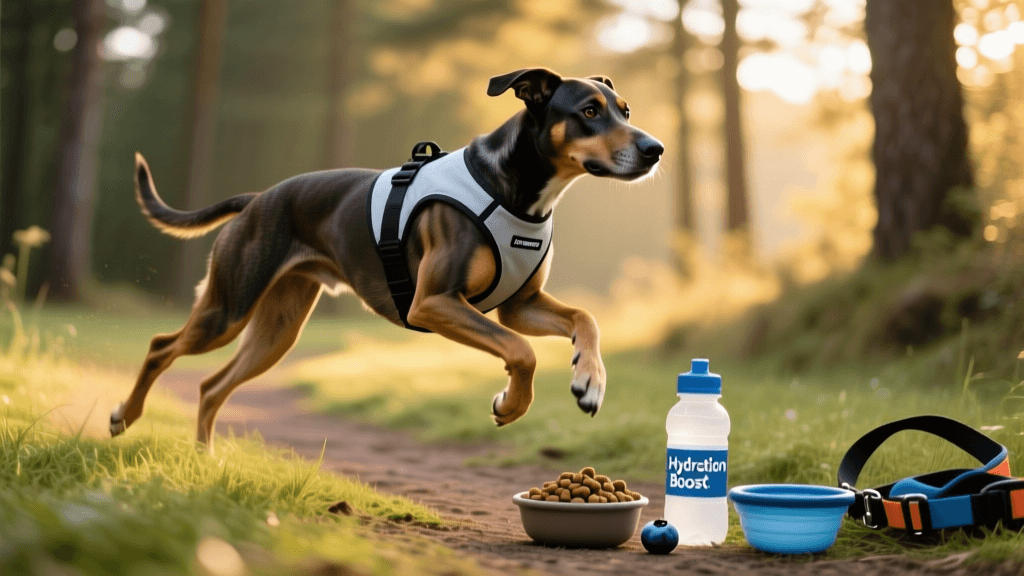
Dehydration severely impairs cognitive function and physical stamina. During intensive agility or obedience sessions, dogs lose moisture through panting, which is their primary method of thermoregulation. A dehydrated dog will exhibit slower response times, decreased drive, and an inability to retain new information. Always bring a collapsible silicone bowl and fresh water to your training sessions. Offer water every 10 to 15 minutes. For high-drive canine athletes working in hot or humid conditions, consider adding a canine-safe electrolyte supplement or offering low-sodium, onion-free bone broth. The strong scent and flavor of the broth encourage fluid intake, while the added sodium and potassium replenish electrolytes lost during intense physical exertion. Avoid letting the dog gorge on water; instead, encourage frequent, small laps to prevent gastric distress.Timing Meals to Prevent Bloat and Maximize Focus
The timing of your dog's meals in relation to training is a critical health and safety consideration, particularly for large, deep-chested breeds susceptible to Gastric Dilatation-Volvulus (GDV), commonly known as bloat. Engaging in vigorous physical activity, such as agility jumps, bite work, or intense fetch, on a full stomach drastically increases the risk of GDV, a life-threatening emergency.The 90-Minute Rule
To mitigate this risk and optimize digestion, adhere to the 90-minute rule. Wait at least 90 minutes to two hours after your dog consumes a full meal before engaging in intensive physical training. Conversely, wait at least 30 to 45 minutes after an intense training session before feeding a large meal, allowing the dog's heart rate and core temperature to return to baseline. If you must train in the morning, feed only a small handful of kibble or a light, easily digestible snack (like a spoonful of plain canned pumpkin) 30 minutes prior to the session to provide a quick glucose spike without weighing down the stomach. Save the bulk of their daily caloric intake for the post-training recovery meal.Supplements for Cognitive Endurance and Recovery
For dogs engaged in competitive sports or daily intensive behavioral modification, targeted nutritional supplements can support joint health, reduce oxidative stress, and enhance cognitive endurance. The World Small Animal Veterinary Association (WSAVA) emphasizes the importance of evaluating a dog's complete nutritional profile, which includes beneficial supplements when recommended by a veterinarian.- Omega-3 Fatty Acids (EPA and DHA): Found in high-quality fish oils, Omega-3s are vital for reducing systemic inflammation caused by physical exertion and supporting neural health. DHA specifically is linked to improved cognitive function and learning retention in canines. A standard dose is roughly 20-50 mg per kilogram of body weight, but always consult your vet for precise dosing.
- MCT Oil (Medium-Chain Triglycerides): MCT oil provides a rapid, alternative energy source for the brain in the form of ketones. Adding a half-teaspoon of dog-safe MCT oil to your dog's morning meal can provide a sustained mental energy boost, which is particularly beneficial for older dogs experiencing canine cognitive dysfunction or working dogs requiring prolonged focus.
- Glucosamine and Chondroitin: For agility and flyball dogs, the repetitive impact on joints is significant. A daily joint supplement containing glucosamine, chondroitin, and MSM can help maintain cartilage integrity and ensure your dog remains comfortable and pain-free during training.
Conclusion: Fueling the Mind and Body
Effective dog training extends far beyond the end of the leash; it begins in the food bowl. By respecting the metabolic demands of canine learning, strictly adhering to the 10% treat rule, and strategically timing meals and hydration, you set your dog up for both behavioral success and lifelong health. Treat your dog like the athlete they are, and their focus, drive, and physical resilience will reflect the high-quality fuel you provide. Remember to always tailor your nutritional strategy to your dog's specific breed, age, and health profile, and consult with a board-certified veterinary nutritionist when making significant dietary changes.Written by
aaron-whyte
All our authors care for dogs every day — read more of their work on the authors page.