Getting a Dog During an Apartment Move: 2026 Urban Survival
Moving to a new apartment? Discover our 2026 guide to getting a dog during an urban relocation, featuring smart tech, space-saving gear, and timelines.
Navigating Life Transitions: Getting a Dog During an Urban Move
Life transitions are inherently stressful, but few are as complex as moving to a new apartment while simultaneously welcoming a new dog into your life. Whether you are relocating for a new job, downsizing, or moving in with a partner, combining an urban relocation with dog adoption requires meticulous planning. In 2026, city living with pets has evolved significantly, offering advanced smart home integrations and updated tenant protections, but it also presents unique challenges regarding space, noise, and building policies.
When you decide to get a dog during a major life transition, you are managing two massive environmental shifts at once: your own and your new pet's. According to the ASPCA's guide on moving with pets, maintaining a consistent routine and creating a safe 'home base' are critical for reducing relocation-induced anxiety in dogs. This comprehensive 2026 guide will walk you through evaluating urban pet policies, selecting the right space-saving technology, and executing a seamless 30-day transition timeline for your new furry companion.
Evaluating 2026 Urban Pet Policies and Fees
Before signing a lease or finalizing an adoption, you must understand the current landscape of urban pet policies. In 2026, the distinction between 'pet-friendly' and 'pet-tolerant' buildings is more pronounced than ever. Many modern apartment complexes now utilize third-party pet screening services that require DNA registration (such as PooPrints) and updated veterinary records before issuing a digital pet access pass.
Understanding Current Costs
Budgeting for a dog in a 2026 apartment goes beyond the initial adoption fee. You must account for the following urban-specific expenses:
- Pet Rent: The national average for pet rent in major metropolitan areas has stabilized at $55 to $85 per month in 2026, depending on the dog's weight and breed.
- Pet Deposits: While some states have capped non-refundable pet fees, many luxury buildings still charge a $300 to $500 upfront deposit.
- Breed and Weight Restrictions: Despite advancements in animal welfare advocacy, many properties still enforce weight limits (typically under 40 pounds) or restrict specific breeds. Always get the building's official pet addendum in writing before adopting.
Essential Smart Tech for Apartment Dogs in 2026
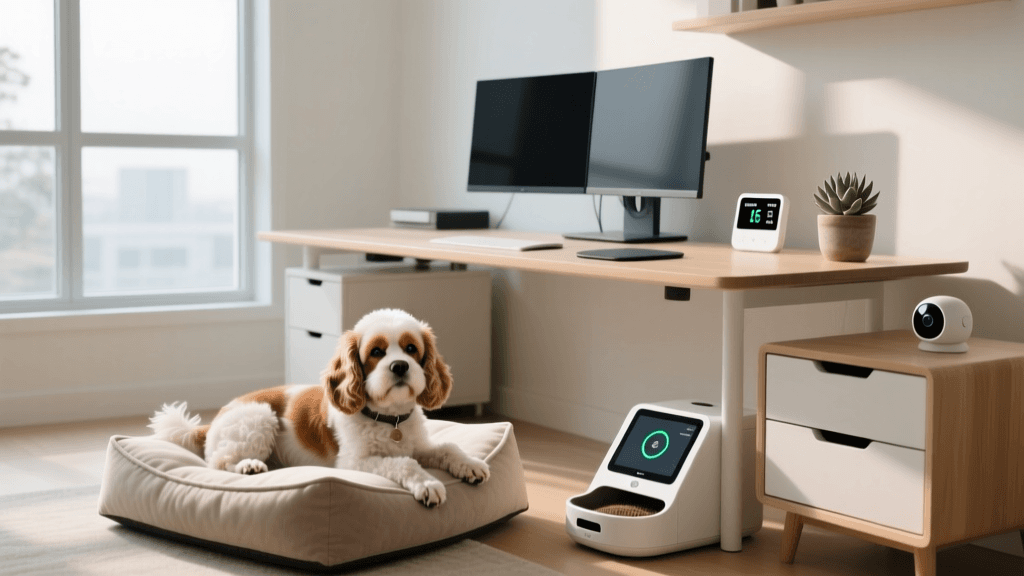
Small square footage and close proximity to neighbors mean that managing your dog's environment remotely is no longer a luxury—it is a necessity. The latest smart home ecosystem in 2026 offers incredible tools for urban pet parents who are busy unpacking or settling into new work routines.
1. Eufy Indoor Cam S350 (Pet Edition)
Leaving a newly adopted dog alone in an unfamiliar apartment can trigger separation anxiety. The 2026 Eufy Indoor Cam S350 features advanced AI bark detection and localized treat tossing. Unlike older models that relied on cloud processing, this camera uses on-device AI to differentiate between a dog barking at a hallway noise versus a dog whining in distress, sending you highly accurate push notifications so you can intervene via the two-way audio feature.
2. SureFlap Microchip Pet Door Connect
If your new apartment features a private balcony or an enclosed patio, giving your dog controlled outdoor access is a game-changer for potty training. The SureFlap Connect model reads your dog's microchip, ensuring that no stray neighborhood animals can enter your unit. The accompanying 2026 app allows you to lock the door remotely or set curfews, which is essential for keeping your dog safe from urban wildlife or extreme weather.
3. Levoit Vitalox 200S Smart Air Purifier
Apartments often suffer from poor cross-ventilation. To manage pet dander and odors in a confined space, the Levoit Vitalox 200S is a top-tier investment. It integrates seamlessly with modern smart home hubs, allowing you to automate the fan speed based on indoor air quality sensors. Running this unit on 'Auto' ensures your apartment remains fresh, which is especially important if you are hosting landlords or neighbors during your transition period.
Space-Saving Gear for Small Urban Footprints
When transitioning to an apartment, you likely have less floor space than you are used to. Bulky wire crates and massive orthopedic beds can quickly make a small living room feel claustrophobic. The American Kennel Club's apartment living advice emphasizes the importance of vertical space and multi-functional furniture for urban dog owners.
- Wall-Mounted Dog Stairs: If your dog is allowed on the sofa or bed, modular wall-mounted steps save floor space and look like modern architectural features rather than pet accessories.
- Under-Desk Crate Furniture: For remote workers, wooden crate end-tables that slide under a standing desk provide a secure den for your dog while keeping your workspace uncluttered.
- Collapsible Silicone Bowls: For urban walks and trips to the local dog park, collapsible gear that clips to your leash is essential for navigating crowded sidewalks and public transit.
The 30-Day Apartment Transition Timeline
Rushing the settling-in process is a common mistake during life transitions. Use this structured timeline to ensure your dog adapts healthily to the new urban environment.
| Phase | Timeframe | Action Items | Dog's Emotional State |
|---|---|---|---|
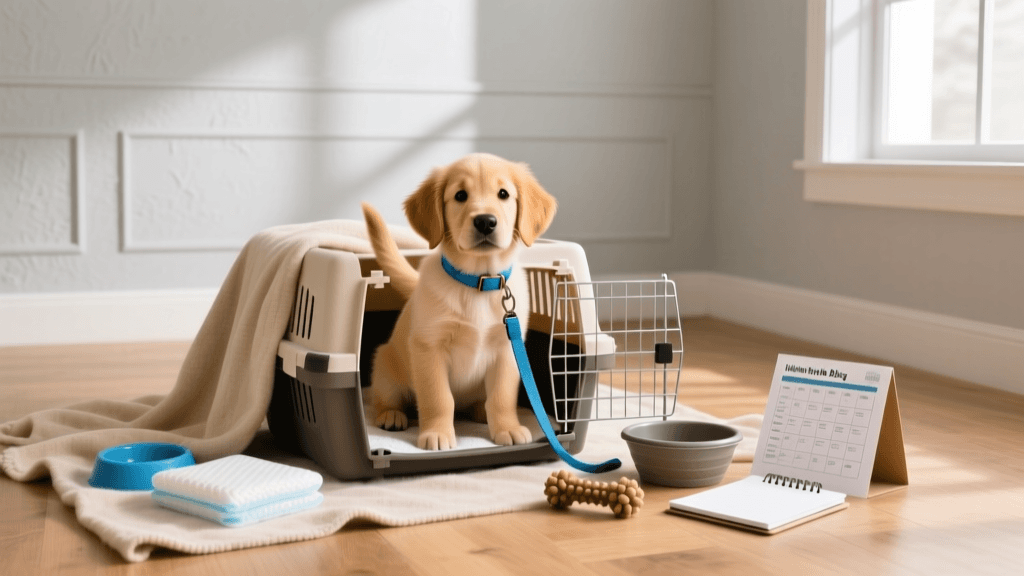
| Phase 1: The Safe Zone | Days 1-7 | Set up a single 'base camp' room with familiar scents, a crate, and water. Limit access to the rest of the apartment. Do not invite guests over. | High alertness, potential stress. Needs quiet and predictability. |
| Phase 2: Scent Mapping | Days 8-14 | Allow supervised exploration of the living room and kitchen. Begin short, structured hallway walks to introduce building smells and elevator sounds. | Curious but easily overwhelmed. Prone to marking if not closely monitored. |
| Phase 3: Routine Building | Days 15-21 | Establish strict potty and feeding schedules. Introduce the smart camera and practice short departures (15-30 minutes) to build alone-time tolerance. | Settling in. May show mild separation anxiety as the reality of the new routine sets in. |
| Phase 4: Social Integration | Days 22-30 | Visit the building's designated pet area. Introduce your dog to one or two trusted neighbors in neutral hallways. Finalize the unpacking process. | Confident and bonded. Beginning to view the apartment as their permanent territory. |
Managing Noise and Neighbor Relations
In an apartment building, your dog's behavior directly impacts your community relations. Urban noise is a two-way street: the sounds of sirens, hallway footsteps, and neighboring units can trigger your dog to bark, which in turn disturbs your neighbors. The Humane Society's relocation tips highly recommend proactive noise management strategies during the first few months of a move.
Acoustic Treatments and White Noise
To dampen the impact of hallway noise, place thick, high-pile area rugs over hard flooring. Not only does this absorb the sound of your dog's claws, but it also reduces the echo of external noises. Additionally, invest in a high-quality white noise machine, such as the Hatch Restore 3. Placing this device near the front door or shared walls creates a sound mask that prevents your dog from reacting to every neighbor who walks past your unit.
Proactive Neighbor Communication
During your first week, consider leaving a small note or a treat on the doors of your immediate neighbors (above, below, and next door). Apologize in advance for any temporary noise as your dog adjusts to the new environment, and provide your direct phone number. This simple gesture of goodwill can prevent formal noise complaints and foster a supportive community as you navigate this major life transition.
Conclusion: Embracing the Journey
Getting a dog while transitioning to a new apartment is undeniably a heavy lift, but it is also an incredibly rewarding experience. By leveraging 2026's advanced pet technology, respecting building policies, and adhering to a patient, phased transition timeline, you can create a harmonious urban sanctuary for both you and your new best friend. Remember that grace and patience are your most valuable tools during this period. With the right preparation, your new apartment will quickly transform from a stressful relocation site into a beloved, shared home.
marcus-aldridge
All our authors care for dogs every day — read more of their work on the authors page.