Top Low-Anxiety Dog Breeds for Working Owners 2026
Discover the best low-anxiety dog breeds for working owners in 2026, plus smart home setups and training tips to keep your new pup happy alone.
The Reality of Dog Ownership and Alone Time in 2026
As we settle into the hybrid and return-to-office work models of 2026, prospective dog owners face a critical question: how will my new dog handle being alone? Getting a dog is a profound commitment, and separation anxiety remains one of the most common reasons dogs are surrendered to shelters. If you work full-time or have a busy schedule that requires you to leave your home for six to eight hours a day, selecting the right breed and establishing a robust alone-time setup is non-negotiable.
According to the American Kennel Club, selecting a breed that naturally tolerates solitude is the first line of defense against destructive behaviors and chronic stress. While every dog is an individual, genetics play a massive role in how a dog perceives isolation. In this comprehensive guide, we will explore the best independent dog breeds for working professionals, the technology available in 2026 to monitor and enrich your dog's environment, and a step-by-step protocol to desensitize your new puppy or rescue to alone time.
Best Independent Dog Breeds for Full-Time Workers
Not all dogs require constant validation or pack-oriented proximity. Some breeds are naturally more aloof, independent, or low-energy, making them excellent companions for people who work away from home. Below is a comparison of the top breeds that handle alone time exceptionally well.
| Breed | Max Recommended Alone Time | Energy Level | Apartment Friendly |
|---|---|---|---|
| Basset Hound | 6-8 Hours | Low | Yes |
| Greyhound | 6-8 Hours | Low (Indoors) | Yes |
| Shiba Inu | 6-8 Hours | Medium | Yes |
| Bullmastiff | 6-8 Hours | Low | No (Needs Space) |
| French Bulldog | 4-6 Hours | Low | Yes |
Basset Hound
Basset Hounds are famously laid-back. Originally bred for slow-tracking scents, they are perfectly content sleeping on a comfortable orthopedic bed while you are at the office. They are not prone to the frantic pacing or destructive chewing that plagues high-anxiety breeds, provided they receive a solid 30-minute sniff-walk before you leave for work.
Greyhound
Despite their reputation as racers, retired Greyhounds are often referred to as '45-mph couch potatoes.' They sleep up to 18 hours a day and are highly accustomed to spending time in crates or quiet kennels. A quick morning sprint in a fenced area followed by a busy workday is the ideal routine for a Greyhound.
Shiba Inu
The Shiba Inu is often compared to a cat in its independence. They are fastidious, quiet, and do not suffer from the velcro-dog syndrome common in other companion breeds. However, they require early socialization and a secure physical fence, as their high prey drive can lead to escaping if left unmonitored in an open yard.
Breeds to Avoid if You Work Away from Home
Conversely, certain breeds are genetically wired to work in close partnership with humans and suffer immensely when left in isolation. If you work a standard 9-to-5 job away from home, avoid breeds like the Vizsla, German Shepherd, Australian Shepherd, and Toy Poodle. These dogs thrive on continuous engagement and are highly susceptible to developing severe separation anxiety.
The ASPCA notes that while separation anxiety is not strictly breed-specific, high-energy working and herding breeds are disproportionately represented in behavioral surrender cases due to their inability to self-soothe when left alone in under-stimulating environments.
The 2026 Smart Home Alone-Time Setup
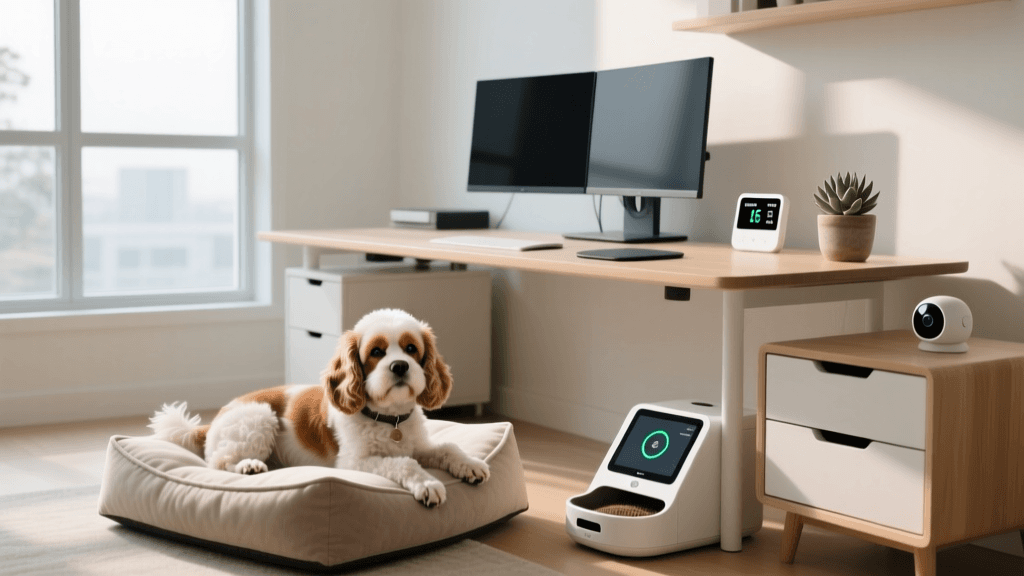
Technology in 2026 has made it easier than ever to monitor, communicate with, and enrich your dog's environment while you are away. Investing in a smart home pet ecosystem can drastically reduce your own anxiety and provide critical mental stimulation for your dog.
Interactive AI Cameras and Treat Tossers
The latest generation of pet cameras, such as the 2026 Furbo 360 AI edition, utilizes advanced machine learning to differentiate between normal resting behaviors and distress signals like frantic pacing or continuous howling. These devices send targeted alerts to your smartphone and allow you to toss treats or initiate a two-way audio check-in to interrupt a stress cycle before it escalates. Expect to invest around $249 for a premium AI-enabled camera system.
Smart Microchip Pet Doors
If you have a secure backyard, a smart pet door is a game-changer for potty breaks and environmental enrichment. The SureFlap Microchip Pet Door Connect reads your dog's existing veterinary microchip, ensuring no stray animals can enter your home. The 2026 Connect models integrate with smart home hubs, allowing you to lock the door remotely via an app if the weather turns severe or if you want to enforce a strict indoor nap schedule. Pricing for these advanced doors hovers around $199 to $229.
Automated Enrichment Feeders
Ditch the standard food bowl. Automated puzzle feeders and smart treat-dispensing robots keep your dog's brain engaged. Devices like the PetSafe Smart Feed Automatic Dog Feeder can be programmed to dispense small kibble rations at randomized intervals throughout your workday, turning a boring eight-hour absence into an engaging foraging experience.
Crate Training vs. Free-Roam: Making the Right Choice
Deciding whether to crate your dog or allow them to free-roam is a major decision for working owners. The Humane Society emphasizes that a crate should never be used as a punishment, but rather as a secure den where the dog feels safe. For puppies and adolescent dogs prone to chewing hazardous items, crate training is essential for their physical safety. However, adult dogs over the age of two who have proven they are house-trained and non-destructive can often be transitioned to a dog-proofed, free-roam safe zone equipped with baby gates and interactive toys.
Step-by-Step Alone-Time Desensitization Protocol
Even the most independent breed requires proper conditioning to understand that your departure is temporary. Follow this four-week protocol when bringing your new dog home:
- Week 1: Departure Cue Desensitization. Dogs learn to associate keys jingling, shoes being put on, and doors locking with your absence. Perform these actions randomly throughout the day without actually leaving the house to break the associative panic.
- Week 2: Micro-Absences. Step outside the front door, close it, and immediately return. Gradually increase the time spent outside from 5 seconds to 5 minutes over several days. Never make a grand emotional departure or return; keep greetings incredibly low-key.
- Week 3: The High-Value Distraction. Introduce a frozen Kong toy stuffed with peanut butter and bone broth exactly as you walk out the door. This creates a positive association with your departure and keeps the dog occupied for the first 30 minutes, which is when anxiety typically peaks.
- Week 4: Extended Absences. Begin leaving for 1 to 2 hours to run errands. Monitor your dog via your smart camera to ensure they are settling down and sleeping rather than pacing or vocalizing.
Pro Tip: Never use a shock collar or bark-activated punishment device to stop a dog from vocalizing when alone. This only suppresses the symptom while exponentially increasing the dog's internal panic and stress hormones.
Budgeting for Your Dog's Alone-Time Safe Zone
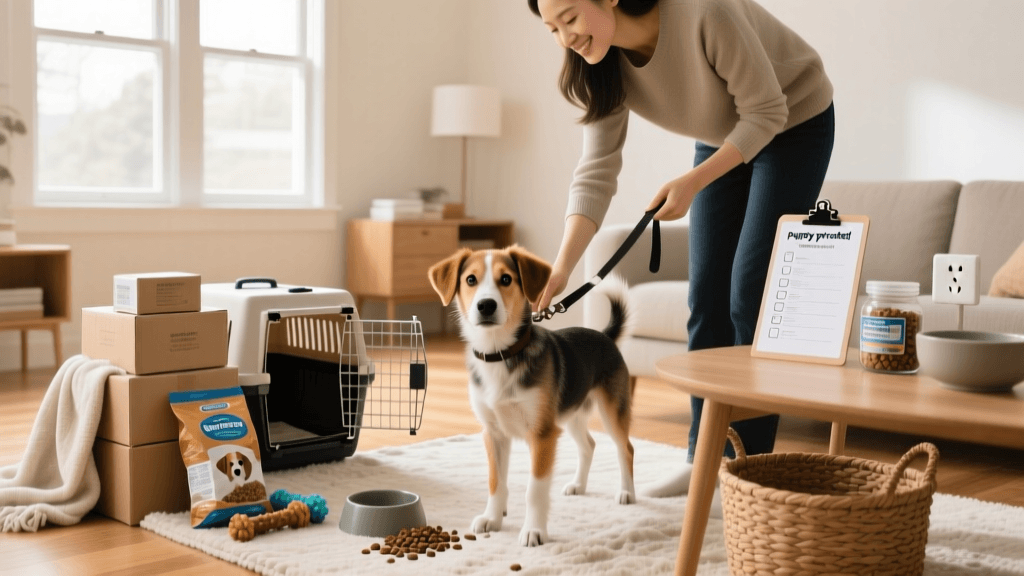
Setting up a proper environment for a dog that will spend time alone requires an upfront financial investment. Below is a breakdown of the essential 2026 setup costs for a working dog owner.
| Item | Purpose | Estimated 2026 Cost |
|---|---|---|
| AI Pet Camera (e.g., Furbo) | Monitoring & Treat Tossing | $249 |
| Heavy-Duty Wire Crate | Safe Den & Potty Training | $85 |
| Orthopedic Memory Foam Bed | Joint Support & Comfort | $120 |
| Smart Microchip Pet Door | Secure Yard Access | $215 |
| Interactive Puzzle Toys (Set of 3) | Mental Enrichment | $65 |
| White Noise Machine | Masking Outdoor Trigger Sounds | $45 |
Final Thoughts on Getting a Dog for Your Lifestyle
Getting a dog in 2026 while maintaining a full-time career is entirely feasible, provided you approach the process with realism and preparation. By selecting a low-anxiety, independent breed, leveraging modern smart-home pet technology, and committing to a gradual desensitization training protocol, you can ensure your new companion thrives even when you are not in the room. Remember, a well-prepared alone-time setup is the ultimate act of love for your new dog, granting them the confidence to rest peacefully until you return home.
anouk-beaumont
All our authors care for dogs every day — read more of their work on the authors page.