Understanding Winter Blues and Seasonal Depression in Dogs
Learn why dogs experience winter blues and seasonal depression. Discover actionable enrichment activities and lighting tips to boost your pup's mood.
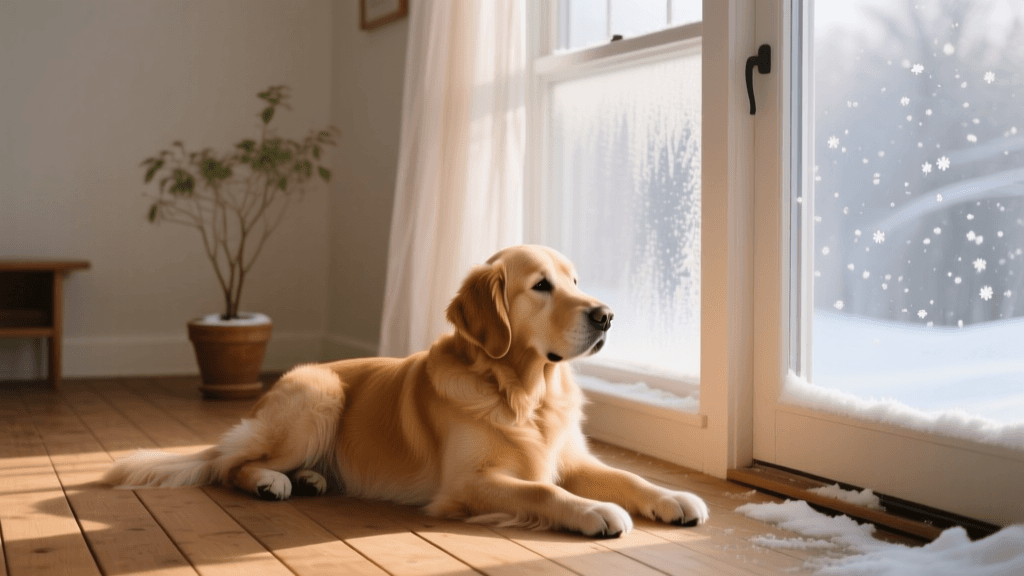
As the days grow shorter and temperatures plummet, many dog owners notice a distinct shift in their pet's behavior. The once-energetic pup who eagerly bounded to the door for a morning walk now seems reluctant to leave their warm bed. While it is easy to dismiss this as a simple dislike of the cold, canine psychology and biology tell a different story. Dogs, much like humans, can experience Seasonal Affective Disorder (SAD) and the 'winter blues.' Understanding the psychological and physiological triggers behind these seasonal behavioral changes is the first step in providing the specialized care and enrichment your dog needs to thrive during the darker months.
The Science Behind Canine Seasonal Affective Disorder
To understand why your dog's behavior changes in the winter, we must look at their endocrine system and how it reacts to light. A dog's circadian rhythm is heavily regulated by the photoperiod—the amount of daylight they are exposed to. When daylight hours decrease, the pineal gland produces more melatonin, the hormone responsible for sleep regulation. Simultaneously, the lack of sunlight can lead to a drop in serotonin, the neurotransmitter that stabilizes mood and promotes feelings of well-being.
According to veterinary behaviorists, this hormonal imbalance can lead to canine SAD. While wolves and early domesticated dogs adapted to seasonal shifts by conserving energy for survival, modern indoor dogs live in a state of cognitive dissonance. They are expected to maintain a consistent level of activity and obedience year-round, despite their biology signaling that it is time to rest and conserve energy. This clash between instinct and environment often manifests as behavioral issues, lethargy, and anxiety.
Recognizing the Behavioral Shifts of Winter Blues
Because dogs cannot verbalize their feelings, they communicate seasonal depression through body language and behavioral shifts. It is crucial for owners to differentiate between a dog who is simply relaxing and one who is experiencing seasonal lethargy. Common signs of winter blues in dogs include:
- Increased Lethargy and Sleep: Sleeping significantly more than the standard 12-14 hours a day and showing reluctance to engage in play.
- Clinginess and Separation Anxiety: A sudden increase in 'velcro dog' behavior, following you from room to room, driven by a psychological need for comfort and pack security during vulnerable, low-light months.
- Changes in Appetite: Either a noticeable decrease in food drive or, conversely, begging and scavenging more frequently as the body's primal instinct to build winter fat reserves kicks in.
- House-Soiling Accidents: Even fully potty-trained dogs may have accidents indoors, not out of spite, but due to a psychological aversion to stepping out into the harsh, cold, and dark environment.
- Vocalization: Increased whining, pacing, or howling, which are classic canine stress signals indicating under-stimulation and mood dysregulation.
Actionable Winter Care: Implementing Light Therapy
If reduced sunlight is the root cause of canine SAD, the most logical intervention is environmental light therapy. Veterinary professionals increasingly recommend full-spectrum light therapy to help reset a dog's circadian rhythm. The goal is to simulate the intensity of natural sunlight, which requires a lamp that emits at least 10,000 LUX of brightness.
Recommended Setup and Timing:
- Product Selection: Look for human SAD lamps that meet the 10,000 LUX requirement, such as the Carex Day-Light Classic Plus (approx. $150-$180) or the more compact Verilux HappyLight (approx. $50-$70).
- Placement: Place the lamp in the room where your dog spends the most time, ideally near their favorite resting spot or feeding area. Ensure the light is positioned at an angle, never shining directly into the dog's eyes, which can cause retinal strain.
- Timing: Turn the lamp on for 30 to 45 minutes every morning between 7:00 AM and 9:00 AM. Morning exposure is critical for suppressing melatonin production and signaling to the brain that the day has begun.
Always monitor your dog's reaction to new environmental stimuli. If your dog shows signs of photophobia (squinting, avoiding the room), discontinue use and consult your veterinarian.
Seasonal Activities: Beating Indoor Boredom with Enrichment
Winter weather often forces owners to shorten their daily walks. A 15-minute walk on icy sidewalks does not provide the physical or mental exhaustion a dog requires. When physical exercise is limited by the season, cognitive enrichment must take its place. Mental stimulation tires a dog's brain just as effectively as running tires their muscles.
Below is a comparison chart of highly effective winter enrichment activities, including specific product recommendations and their estimated mental fatigue equivalents.
| Activity Type | Product Example | Estimated Cost | Mental Fatigue Equivalent | Psychological Benefit |
|---|---|---|---|---|
| Foraging / Scent Work | Wool Snuffle Mat | $25 - $45 | 30 mins of brisk walking | Taps into primal scavenging instincts; lowers heart rate. |
| Cognitive Puzzles | Outward Hound Nina Ottosson Dog Brick | $15 - $30 | 20 mins of fetch | Builds problem-solving confidence; reduces anxiety. |
| Prolonged Licking | Hyper Pet Lickimat Soother | $10 - $15 | 15 mins of training | Licking releases endorphins; highly self-soothing. |
| Indoor Agility | DIY PVC Jumps & Weave Poles | $30 - $50 (materials) | 45 mins of hiking | Improves proprioception; strengthens human-dog bond. |
Integrating just two of these activities into your daily winter routine can drastically reduce the behavioral symptoms associated with seasonal depression. For example, freezing a mixture of low-sodium chicken broth and plain pumpkin puree into a Lickimat provides a long-lasting, soothing activity that keeps your dog engaged while you work from home.
Nutritional Support and Joint Care in Cold Weather
Understanding your dog's winter behavior also requires looking at their physical comfort. Cold weather exacerbates underlying joint issues, such as osteoarthritis, which is incredibly common in medium and large breeds. A dog who is reluctant to get up, seems grumpy, or avoids the stairs may not be experiencing SAD at all; they may be in pain. The cold causes joint fluid to thicken and muscles to stiffen, leading to a decrease in mobility that mimics depression.
To support your dog through the winter, consider the following nutritional adjustments (always in consultation with your veterinarian):
- Omega-3 Fatty Acids: High-quality fish oil supplements (providing EPA and DHA) act as natural anti-inflammatories, supporting both joint health and cognitive function.
- Glucosamine and Chondroitin: For senior dogs or breeds prone to dysplasia, adding a joint supplement like Cosequin DS Plus MSM can improve winter mobility.
- Caloric Monitoring: Because dogs are generally less active in the winter, their caloric intake should be reduced by 5% to 10% to prevent seasonal weight gain, which puts additional stress on aching joints.
Differentiating SAD from Medical Conditions
While the winter blues are a recognized psychological phenomenon, it is vital not to mask underlying medical conditions with enrichment toys and light therapy. Hypothyroidism, a condition where the thyroid gland fails to produce enough hormones, frequently presents with symptoms identical to SAD: weight gain, severe lethargy, and a reluctance to exercise. Furthermore, neurological issues or chronic pain can manifest as winter behavioral changes.
According to the American Kennel Club, winter requires a proactive approach to health monitoring. If your dog's lethargy is accompanied by hair loss, changes in coat texture, or unexplained shivering, a veterinary visit is mandatory. A simple blood panel can rule out thyroid dysfunction and ensure that your dog's winter blues are truly just a seasonal shift in mood.
Embracing the Winter Rhythm
Ultimately, understanding your dog's seasonal shifts requires empathy and adaptability. As the ASPCA notes, winter weather demands unique safety and care protocols, extending beyond physical warmth to encompass mental and emotional well-being. By acknowledging the biological reality of canine SAD, implementing targeted light therapy, and swapping physical walks for deep cognitive enrichment, you can help your dog navigate the dark months with confidence and comfort. The winter season does not have to be a time of canine depression; with the right psychological support, it can become a season of deep bonding, indoor discovery, and restful rejuvenation for both you and your furry companion.
robin-maitland
All our authors care for dogs every day — read more of their work on the authors page.