Understanding Adolescent Dog Behavior: A Survival Guide
Discover why your adolescent dog is acting out. Learn the psychology behind teenage canine behavior, fear periods, and actionable training tips.
The Teenage Phase: What is Canine Adolescence?
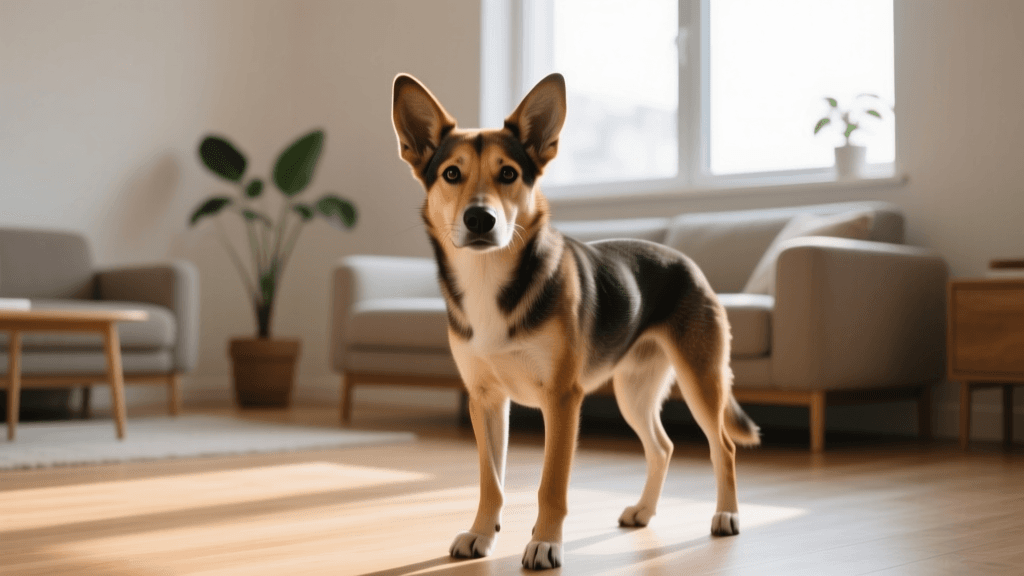
Raising a puppy is exhausting, but nothing quite prepares you for the canine adolescent phase. Often referred to as the 'teenage' stage, this period can turn your once-obedient puppy into a rebellious, easily distracted, and sometimes fearful stranger. Understanding adolescent dog behavior is not just about surviving the chaos; it is about recognizing the profound psychological and neurological shifts occurring inside your dog's brain. This life stage care guide will decode the psychology behind your teenage dog's behavior and provide actionable, specific strategies to guide them into a well-adjusted adulthood.
The Biology of the Teenage Dog Brain
When does adolescence start? Depending on the breed and size, canine adolescence typically begins between 5 to 8 months of age and can last until the dog is 18 to 24 months old. Small breeds mature faster, while giant breeds like Great Danes or Mastiffs may exhibit teenage behaviors well into their second year.
Neurologically, your dog's brain is undergoing massive restructuring. According to research highlighted by the UC Davis Small Animal Behavior Clinic, the adolescent brain is actively 'pruning' neural connections. The prefrontal cortex—the area responsible for impulse control and decision-making—is essentially under construction. Meanwhile, the limbic system, which processes emotions and rewards, is highly active. This biological mismatch explains why your adolescent dog might completely ignore a recall command they have known for months in favor of chasing a squirrel. They are not being intentionally stubborn; their impulse control hardware is temporarily offline.
Navigating the Second Fear Period
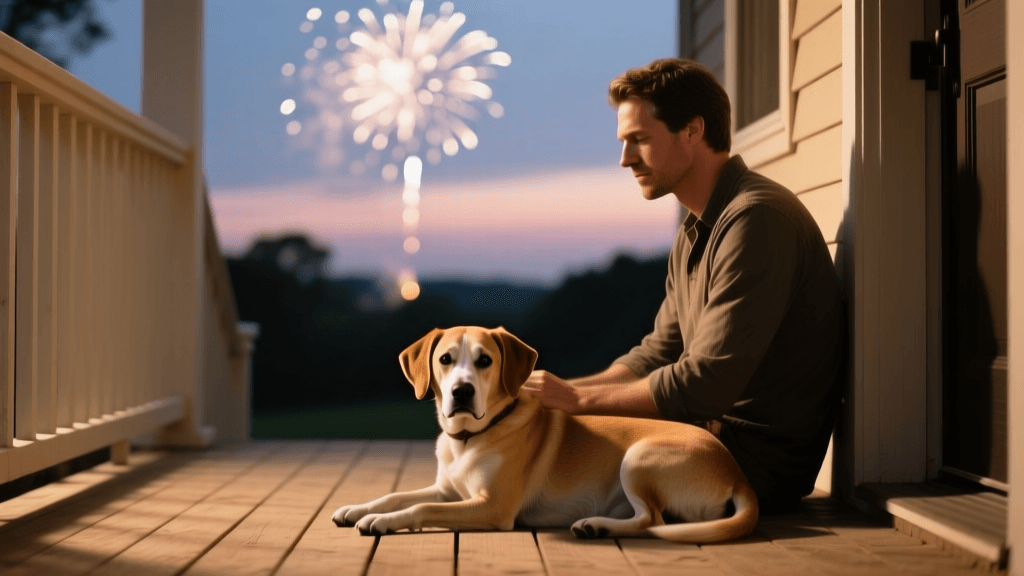
One of the most misunderstood psychological phenomena during this life stage is the 'second fear period.' While the first fear period occurs around 8 to 11 weeks of age, the second one strikes unpredictably between 6 and 14 months. During this window, your dog may suddenly develop intense phobias of familiar objects, such as a trash can, a specific hat, or the sound of a garage door.
Actionable Advice for Fear Periods
- Do Not Force Interaction: Never drag your dog toward the object of their fear. This triggers 'flooding,' a psychological concept that can cause lasting trauma and aggression.
- Implement Counter-Conditioning: Keep a pouch of high-value treats (like freeze-dried beef liver or boiled chicken breast, cut into 1/4-inch cubes). When your dog notices the trigger at a distance where they remain calm (their 'threshold'), mark the moment with a calm 'yes' and toss a treat away from the trigger.
- Timing and Cost: A dedicated 10-minute counter-conditioning session daily is more effective than an hour-long stressful walk. Investing $15 to $25 a month in premium training treats is a small price to pay for long-term behavioral stability.
Actionable Enrichment and Training Strategies
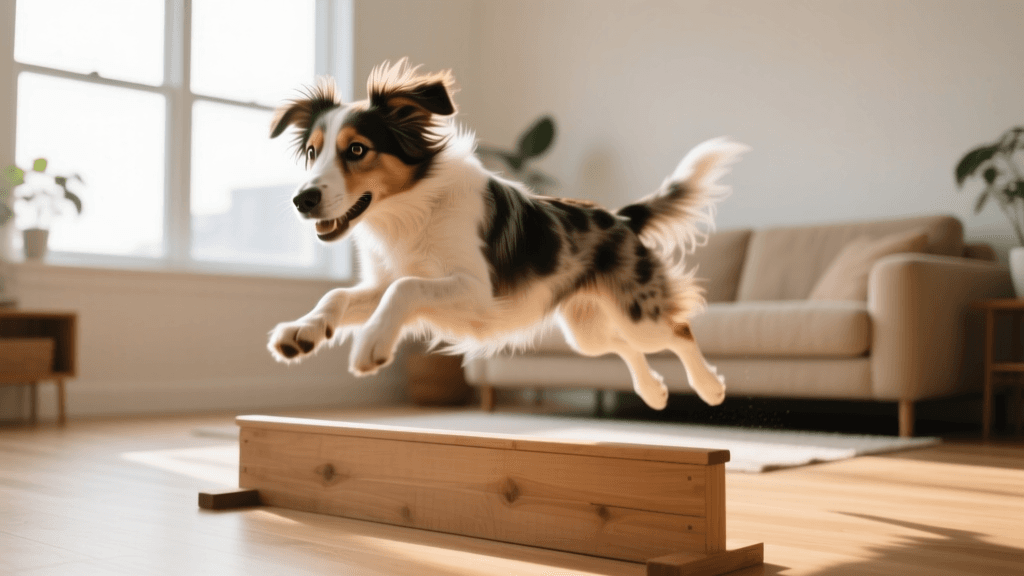
Because the adolescent brain craves dopamine and novel experiences, standard physical exercise is rarely enough to tire them out. You must engage their olfactory and cognitive systems.
The Power of the 'Sniffari'
Veterinary behaviorists frequently note that 20 minutes of intense sniffing lowers a dog's heart rate and provides as much mental exhaustion as an hour of running.
- How to execute: Swap one daily walk for a 'Sniffari.' Use a 15-foot to 30-foot lightweight biothane long line (costing roughly $25 to $40) to give them the freedom to explore safely. Let them dictate the pace and direction.
Upgrading Your Enrichment Arsenal
- West Paw Toppl ($20 - $25): Unlike standard puzzle toys, the Toppl can be interlocked to create a complex foraging challenge. Fill it with a mixture of plain Greek yogurt, mashed sweet potato, and kibble, then freeze for 4 hours.
- KONG Classic ($15 - $18): The gold standard for adolescent chewing needs. Stuff it with soaked dog food and a dash of low-sodium chicken broth, freezing it overnight to soothe teething discomfort and provide 30+ minutes of focused licking, which releases calming endorphins.
'Adolescence is not a phase where dogs unlearn commands; rather, their environment suddenly becomes vastly more interesting than their owner. The key is to become the most rewarding part of their environment.'
Life Stage Behavioral Comparison Chart
To help you contextualize your dog's current behavior, refer to this comparison chart detailing the psychological shifts across major life stages.
| Feature | Puppy (2-6 Months) | Adolescent (6-18 Months) | Adult (1.5-7 Years) |
|---|---|---|---|
| Primary Drive | Social bonding, exploration | Independence, novelty seeking | Routine, established habits |
| Impulse Control | Low, easily distracted | Extremely low, brain pruning | High, fully developed |
| Fear Periods | First period (8-11 weeks) | Second period (6-14 months) | Rare, usually trauma-linked |
| Training Focus | Basic cues, socialization | Proofing, impulse control | Maintenance, advanced sports |
| Energy Type | Zoomies, frequent naps | Sustained endurance, restless | Predictable, manageable |
Hormonal Influences and Spay/Neuter Considerations
During adolescence, intact dogs experience massive hormonal surges. Testosterone and estrogen levels peak, driving behaviors like roaming, marking, and same-sex aggression. While spaying or neutering is a common recommendation, recent veterinary behavioral studies suggest that altering a dog before they reach full physical and psychological maturity (often around 12 to 18 months for large breeds) can sometimes increase fear-based behaviors and noise phobias. Discuss the optimal timing for altering your specific breed with your veterinarian. If you choose to wait, management is your best tool. Use baby gates to separate intact males and females, and utilize a 6-foot leather leash for a secure grip during walks to prevent bolting.
Regression is Normal: Retraining the Basics
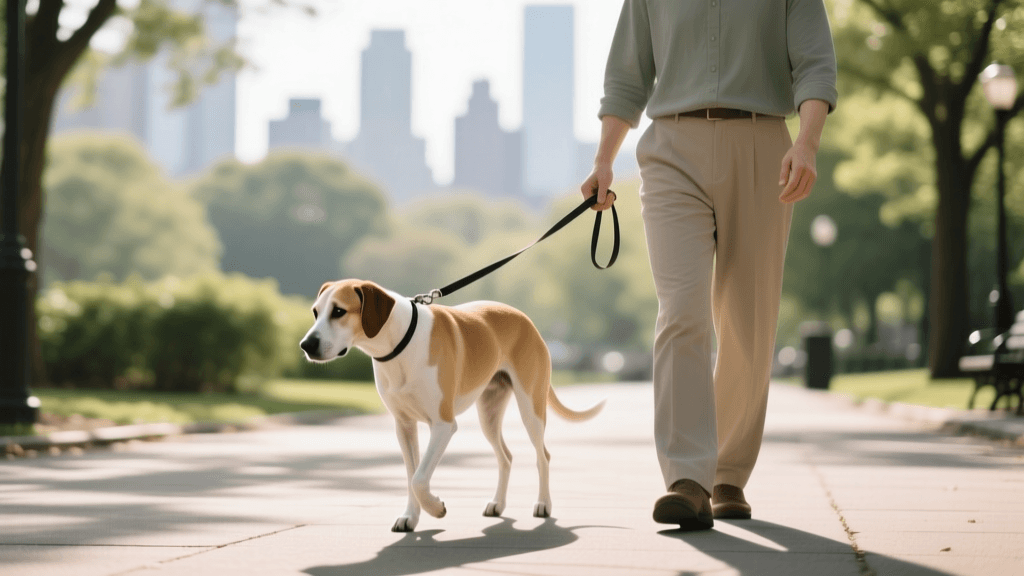
It is incredibly common for adolescent dogs to experience 'training regression.' Your dog might suddenly forget how to sit or pull heavily on the leash. The ASPCA notes that common dog behavior issues like leash pulling and jumping often peak during adolescence due to environmental distractions outweighing the value of the owner's reward.
Actionable Fix: Go back to basics. Lower your criteria for success. If your dog cannot hold a 'stay' in the backyard, practice in the living room. Increase the value of your rewards. If you were using kibble, upgrade to string cheese or hot dogs. The goal is to prove to your dog's developing brain that engaging with you is always the most rewarding option available.
When to Seek Professional Behavioral Help
While rebellion and mild fearfulness are normal, certain red flags require immediate intervention from a certified professional.
- Resource Guarding: If your adolescent dog begins growling, snapping, or freezing when approached while eating or holding a toy.
- Severe Barrier Frustration: Lunging, barking, and reactivity on the leash that does not improve with standard counter-conditioning.
- Cost Expectation: A consultation with a Certified Applied Animal Behaviorist (CAAB) or a veterinary behaviorist typically ranges from $150 to $350 for an initial 90-minute assessment. Do not wait for these behaviors to 'age out.' They rarely do.
According to guidelines from the American Kennel Club's training experts, early intervention with a positive reinforcement professional prevents temporary teenage phases from solidifying into lifelong behavioral disorders.
Final Thoughts on the Teenage Phase
The adolescent stage is a test of patience, consistency, and empathy. Your dog is not giving you a hard time; they are having a hard time navigating a flood of hormones and neurological restructuring. By adjusting your expectations, utilizing targeted enrichment tools like the West Paw Toppl, and respecting the psychological realities of the second fear period, you will build a foundation of trust that will carry you through your dog's adult years. Stay consistent, keep your training sessions short and positive, and remember: this too shall pass.
aaron-whyte
All our authors care for dogs every day — read more of their work on the authors page.