The Science of Dog Smell: How Canines Process the World
Discover the science behind your dog's incredible sense of smell. Learn actionable olfactory enrichment tips, timing, and tools to boost canine wellbeing.
The Biological Marvel of the Canine Nose
When humans navigate the world, we rely primarily on our vision. We look for landmarks, read signs, and observe body language. Dogs, however, experience a completely different reality—one defined by an invisible, complex landscape of odors. To truly understand your dog, you must first understand the biological marvel that is the canine olfactory system.
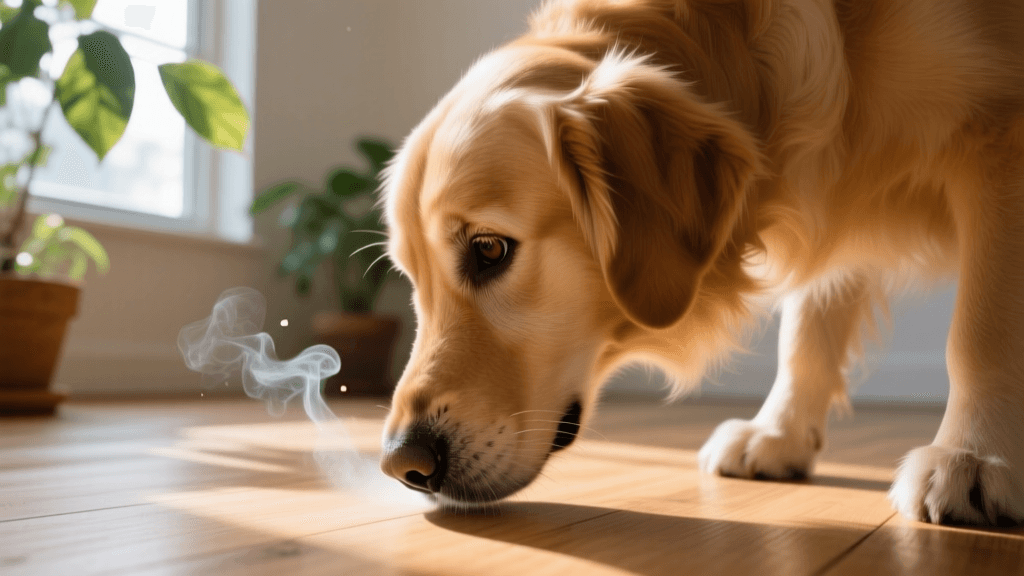
According to the American Kennel Club (AKC), a dog's nose houses up to 300 million olfactory receptors, compared to a human's mere 6 million. Furthermore, the part of a dog's brain devoted to analyzing smells is proportionally 40 times larger than ours. But the hardware doesn't stop there. Dogs possess a secondary olfactory system known as the vomeronasal organ, or Jacobson's organ, located in the roof of the mouth. This specialized structure detects pheromones, allowing dogs to gather intricate social and reproductive information about other animals simply by tasting the air.
Additionally, dogs have the unique ability to move their nostrils independently, allowing them to determine the exact direction a scent is coming from. When they exhale through the slits on the sides of their noses, they create a continuous airflow that draws new scent molecules in, effectively allowing them to smell in three dimensions and even track the passage of time based on how scent molecules decay in the air.
The Psychology and Neurology of Scent Processing
Why does your dog insist on sniffing the same fire hydrant for five minutes? The answer lies in canine psychology and neurology. Sniffing is not just a way to gather information; it is a deeply ingrained neurological need that directly impacts a dog's mental health and emotional regulation.
When a dog engages in intense sniffing, their brain releases dopamine, the neurotransmitter associated with pleasure and reward. More importantly, scientific studies have shown that allowing dogs to sniff freely during walks actually lowers their heart rate and reduces stress markers. A study published in the journal Applied Animal Behaviour Science found that dogs who were given the opportunity to engage in olfactory enrichment exhibited more 'optimistic' behaviors and lower physiological stress responses compared to dogs who were only given physical exercise.
In short, denying a dog the opportunity to sniff is akin to blindfolding a human and forcing them to power-walk through a museum. It provides physical exertion but completely starves the brain of necessary stimulation.
Breed-Specific Olfactory Instincts
While all dogs have exceptional noses, breed genetics play a massive role in how they utilize their olfactory senses. Understanding your dog's breed group can help you tailor their enrichment:
- Scent Hounds (e.g., Beagles, Bloodhounds, Coonhounds): Bred to track ground scents over miles. They require long, uninterrupted scent trails and will happily bury their noses in tall grass for hours.
- Terriers (e.g., Jack Russells, Rat Terriers): Bred to hunt vermin underground. They excel at 'earth dog' scent work, locating hidden items in enclosed spaces or digging boxes.
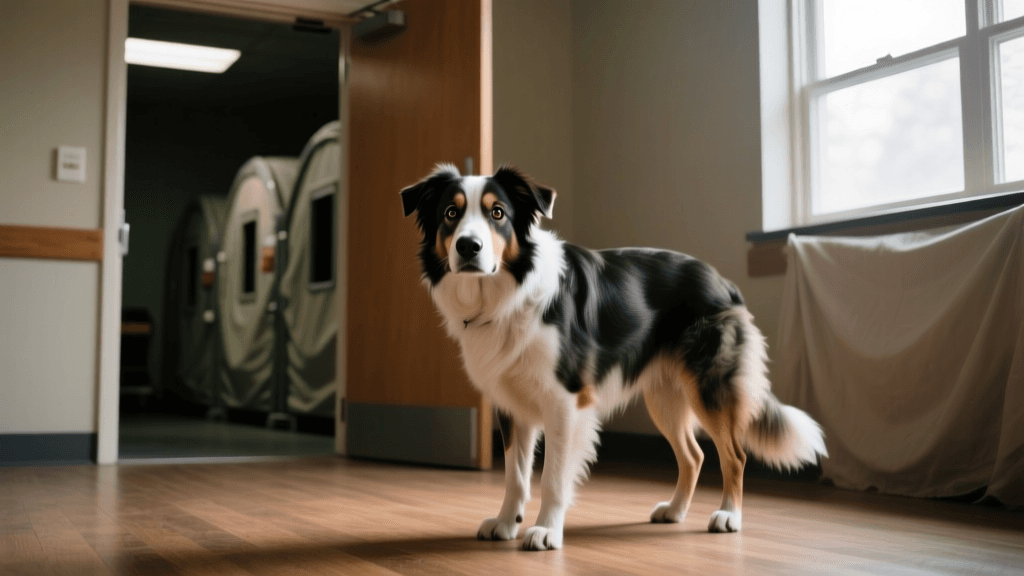
- Herding Breeds (e.g., Border Collies, Australian Shepherds): While highly visual, they use scent to locate and manage livestock. They thrive on complex puzzle toys that require them to use their nose to manipulate levers and sliders to find hidden rewards.
Actionable Olfactory Enrichment: A Science-Backed Guide
Translating this science into your daily routine doesn't require a massive budget or hours of free time. Here are specific, actionable ways to incorporate olfactory enrichment into your dog's life, complete with timing, product recommendations, and estimated costs.
1. The Daily 'Sniffari'
Instead of a structured, heel-focused walk, dedicate 20 minutes a day to a 'Sniffari.' Equip your dog with a comfortable harness and a 10-to-15-foot biothane long leash (such as the Mendota Products Long Check Cord, approx. $25). Let your dog dictate the route and the pace. If they want to sniff a single tree root for four minutes, let them. Timing: 20 minutes of intensive sniffing is scientifically proven to cause as much mental fatigue as an hour of brisk physical walking.
2. Scent Work and Nosework Games
Turn your living room into a scent laboratory. Start by hiding high-value, pungent treats like Zuke's Mini Naturals (approx. $6 per bag) in easy-to-reach spots while your dog is in a sit-stay. Gradually increase the difficulty by hiding them under rugs, behind furniture, or inside cardboard boxes. Timing: 10 to 15 minutes of active searching, 2 to 3 times a week. This taps directly into their predatory sequence (search, stalk, capture), fulfilling deep-seated instinctual urges.
3. Food Puzzles and Snuffle Mats
Ditch the standard food bowl. Dogs are scavengers by nature, and eating from a bowl in two seconds is biologically unnatural. Invest in a Nina Ottosson Dog Brick Puzzle ($15-$25) or a fleece Snuffle Mat ($20-$30). Scatter your dog's daily kibble ration into the mat or puzzle. Timing: Use these for daily meals. It forces the dog to use their nose to forage, turning a 30-second meal into a 15-minute cognitive workout.
Physical Exercise vs. Olfactory Enrichment
Many owners mistakenly believe that a tired dog is solely the result of physical exhaustion. However, mental fatigue is often more effective at curbing destructive behaviors like chewing or excessive barking. Below is a comparison chart to help you balance your dog's routine:
| Activity Type | Example Activity | Duration | Mental Fatigue Equivalent | Estimated Cost |
|---|---|---|---|---|
| Physical | Brisk Neighborhood Walk | 60 Minutes | Low to Moderate | $0 |
| Olfactory | Unstructured Sniffari | 20 Minutes | High | $0 |
| Olfactory | Indoor Scent Trails | 15 Minutes | Very High | $6 (Treats) |
| Cognitive | Snuffle Mat Foraging | 15 Minutes | Moderate to High | $20-$30 (Mat) |
Scent Safety: What to Avoid
While engaging your dog's nose is vital, their sensitivity also makes them vulnerable to olfactory overload and toxicity. The ASPCA strongly advises caution when using household chemicals and essential oils around pets.
Essential Oils to Avoid: Tea tree, eucalyptus, citrus, pine, and wintergreen are highly toxic to dogs when inhaled or absorbed through the skin. Never use active diffusers in enclosed spaces with your dog.
Safe Alternatives: If you want to introduce calming scents, Fear Free Pets recommends using pet-safe, heavily diluted pheromone sprays like Adaptil (approx. $20), or introducing dog-safe herbs like dried chamomile or lavender into their snuffle mats. Always ensure your dog has the ability to leave the room if a scent becomes overwhelming.
Conclusion
Understanding your dog requires stepping outside of your human, visual-centric perspective and appreciating the rich, invisible tapestry of scents they navigate every day. By incorporating science-backed olfactory enrichment into your daily routine, you aren't just entertaining your dog—you are honoring their biology, reducing their stress, and profoundly deepening the bond you share. Let them sniff; it's how they read the world.
priya-sutaria
All our authors care for dogs every day — read more of their work on the authors page.