Understanding Siberian Husky Behavior and Instincts
Discover the psychology behind Siberian Husky behavior. Learn why they howl, pull, and escape, plus actionable training and enrichment tips.
The Genetics of the Sled Dog: Why Huskies Do What They Do
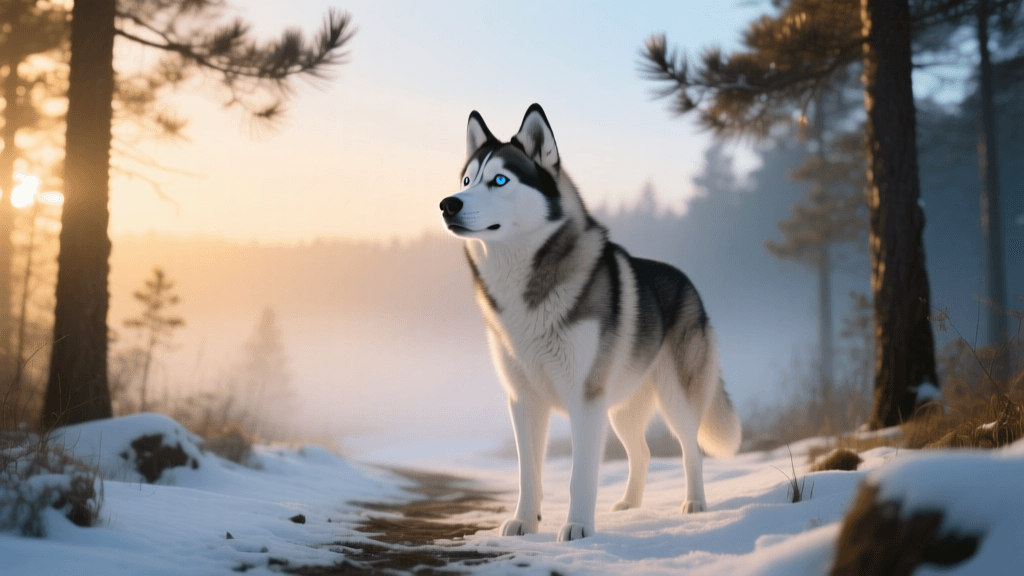
To truly understand the Siberian Husky, we must look back to their origins. Bred by the Chukchi people of northeastern Siberia, these dogs were not designed for short bursts of speed or guarding property. Instead, they were engineered for endurance, capable of pulling light loads over vast, frozen expanses in sub-zero temperatures. This historical purpose is the master key to unlocking modern Husky psychology. According to the American Kennel Club, the Husky's temperament is a direct reflection of this working heritage: they are independent, highly energetic, and possess a profound prey drive.
Unlike herding breeds that look to their handlers for constant direction, sled dogs were bred to make independent decisions on the trail. If a sled dog saw thin ice, it needed the intelligence to refuse the musher's command to go forward. This independent problem-solving trait often manifests today as stubbornness or selective hearing, leaving many first-time owners frustrated. Furthermore, the Chukchi bred these dogs for metabolic efficiency. A Husky can run for hours without burning through glycogen stores the way other breeds do, meaning they possess a seemingly bottomless reserve of energy that must be managed daily. Understanding that your Husky isn't being defiant, but rather exercising its bred autonomy and metabolic endurance, is the first step toward a harmonious relationship.
Decoding the "Big Three" Husky Behaviors
1. The Urge to Roam and Escape
Huskies are notorious escape artists. This is not a sign of unhappiness; it is a manifestation of their roaming instinct and high prey drive. A Husky that catches the scent of a squirrel or a neighbor's cat will rely on its ancient wiring to pursue, regardless of the obstacles in its way. They will dig under fences, scale chain-link barriers, and slip out of poorly fitted collars.
Actionable Advice for Containment:
- Fence Height and Material: A standard 4-foot privacy fence is insufficient. You need a minimum 6-foot fence. To prevent climbing, avoid chain-link, which acts as a ladder. Smooth wood or vinyl is highly recommended.
- Dig-Proofing (The L-Footer Method): Huskies will dig at the base of fences. Install an "L-footer" using 19-gauge welded wire fencing. Bury it 1 foot deep and bend it outward into the yard by 1 foot. Cost: Approximately $1.50 to $3.00 per linear foot, meaning a 100-foot perimeter costs around $150 to $300.
- Collars and Harnesses: Never walk a Husky on a standard flat collar; their necks are thick, and their heads are wedge-shaped, allowing them to back out easily. Use a martingale collar for walks, or a secure harness.
2. Leash Pulling and the Sled Dog Mindset
If a Husky is pulling on a leash, it is doing exactly what it was bred to do. Sled dogs are taught to lean into a harness and pull against resistance—a phenomenon known as the opposition reflex. When you pull back on a Husky's leash, their instinct is to pull harder.
Actionable Advice for Leash Manners:
While teaching loose-leash walking requires immense patience, the right gear can manage the behavior immediately. Avoid back-clip harnesses, which encourage pulling. Instead, invest in a front-clip no-pull harness like the Ruffwear Front Range or the Rabbitgoo No-Pull Dog Harness (typically costing between $25 and $45). The front chest clip gently redirects the dog's momentum toward you when they pull. For structured exercise where pulling is allowed and encouraged, look into Canicross (competitive dog running) using a specialized pulling harness and a bungee leash attached to a waist belt, saving your shoulders from injury. For comprehensive training techniques, the AKC's guide on stopping leash pulling offers excellent foundational steps.
3. Vocalization: Howling and "Talking"
Huskies rarely bark. In the wild, barking wastes energy and reveals a pack's location to predators. Instead, they howl, whine, and "talk" to communicate over long distances and express emotions. A Husky's howl is a pack-calling mechanism. If you leave your Husky alone in the backyard, they may howl to call you (their pack) back to them. While you cannot completely eliminate a Husky's vocalizations, you can manage the triggers. Ensure they are not left outside unattended for long periods, and provide adequate mental stimulation to prevent boredom-induced howling.
Husky Needs vs. Average Dog Needs
To put the Siberian Husky's unique requirements into perspective, here is a comparison chart detailing how their needs stack up against the average companion dog.
| Trait / Requirement | Average Companion Dog | Siberian Husky |
|---|---|---|
| Daily Exercise | 30 - 60 minutes | 90 - 120+ minutes of vigorous activity |
| Fence Requirements | 4-foot standard fence | 6-foot smooth fence + dig-proof L-footer |
| Off-Leash Reliability | Moderate to High (with training) | Extremely Low (Prey drive overrides training) |
| Grooming Needs | Breed dependent (moderate) | Heavy (Weekly brushing, bi-annual massive shedding "blowouts") |
| Trainability | Eager to please, handler-focused | Independent, requires high-value motivation |
Actionable Enrichment and Training Strategies
Because Huskies are high-endurance athletes with active minds, physical exercise alone is rarely enough to tire them out. A Husky that only goes on walks will likely develop destructive behaviors, such as chewing drywall or digging up landscaping. You must engage their brains.
1. Ditch the Food Bowl
Make your Husky work for their meals. Use puzzle toys like the KONG Classic (stuffed with wet food and frozen overnight) or a Snuffle Mat ($20-$30) to simulate foraging. According to the Humane Society of the United States, environmental enrichment is critical for preventing behavioral issues in high-energy breeds, as it mimics the natural problem-solving they would do in the wild.
2. High-Value Recall Training
Teaching a Husky to come when called is notoriously difficult due to their prey drive. Start in a low-distraction indoor environment. Use ultra-high-value treats like freeze-dried salmon or boiled chicken. Never call your Husky to you for something they dislike (like a bath or nail trim), as this will poison the recall cue. Remember the golden rule of Husky ownership: never trust a Husky off-leash in an unfenced area. Even a Husky with a rock-solid recall in the living room will ignore you if a deer darts across an open field.
3. The Daily Husky Tiring Protocol
To prevent behavioral decay, implement a structured daily routine that balances physical exertion with mental fatigue:
- Morning (6:30 AM - 7:15 AM): 45-minute brisk walk or jog using a Canicross bungee leash ($40-$60) to allow safe pulling. Follow with 10 minutes of Snuffle Mat foraging for breakfast.
- Afternoon (1:00 PM): Frozen KONG puzzle toy stuffed with peanut butter and kibble. This provides 30 minutes of mental enrichment while you work or rest.
- Evening (5:30 PM - 6:30 PM): 30-minute training session focusing on impulse control (e.g., "leave it" and "wait" at doors) using high-value treats like Zuke's Mini Naturals ($8 for a 6oz bag). Finish with a 20-minute off-leash run in a fully enclosed, secure dog park or Sniffspot rental ($15-$20/hour).
Conclusion: Embracing the Wild Spirit
Owning a Siberian Husky is not for the faint of heart. They are loud, messy, stubborn, and demand a significant investment of time and energy. However, by understanding the psychology behind their behaviors—recognizing that their pulling, escaping, and howling are simply echoes of their sled-pulling ancestors—you can shift your perspective from frustration to appreciation. With proper containment, the right walking gear, and robust mental enrichment, the Husky transforms from a frustrating escape artist into a deeply rewarding, loyal, and magnificent companion.
hannah-wickes
All our authors care for dogs every day — read more of their work on the authors page.