Puppy Joint Care: Treating Early-Onset Canine OA in 2026
Discover 2026 veterinary guidelines for managing early-onset canine osteoarthritis in puppies, including safe supplements, weight control, and joint therapies.
Understanding Early-Onset Osteoarthritis in Puppies
When we hear the term osteoarthritis (OA), we typically picture senior dogs struggling to climb the stairs or rise from their beds. However, early-onset canine osteoarthritis is a significant and often overlooked concern in the puppy care realm, particularly for large and giant breeds. In 2026, veterinary medicine has advanced significantly in how we diagnose and manage juvenile joint diseases, shifting the focus from merely treating pain to actively preserving cartilage and modifying the disease course during a puppy's critical first year of life. Osteoarthritis in puppies is rarely a primary condition; rather, it is almost always secondary to developmental orthopedic diseases such as hip dysplasia, elbow dysplasia, or osteochondritis dissecans (OCD). According to the Orthopedic Foundation for Animals, abnormal joint laxity in growing puppies leads to micro-traumas that trigger inflammatory cascades, degrading the articular cartilage long before the dog reaches adulthood.
Recognizing the Signs in Your Puppy's First Year
Puppies are naturally energetic, but they also sleep deeply and grow rapidly, which can mask the subtle signs of joint discomfort. Distinguishing between normal puppy clumsiness and genuine orthopedic pain requires a keen eye. As a responsible owner, you must monitor your puppy's developmental milestones and physical movements closely. If your puppy is exhibiting early-onset OA, you may notice the following clinical signs:
- The 'Bunny Hop' Gait: Instead of using their hind legs in an alternating motion when running or trotting, the puppy uses both hind legs simultaneously to compensate for hip discomfort.
- Reluctance to Jump or Climb: Hesitation when approaching stairs, jumping into the car, or climbing onto low furniture.
- Stiffness After Rest: Noticeable stiffness or a slow, awkward gait when first waking up from a nap, which may improve slightly after moving around for a few minutes.
- Excessive Licking: Repeatedly licking or chewing at specific joints, such as the carpus (wrist), elbow, or hock, indicating localized inflammation.
- Behavioral Changes: A sudden decrease in play drive, reluctance to engage in tug-of-war, or uncharacteristic irritability when handled or groomed.
If you observe any of these symptoms, it is imperative to schedule a comprehensive orthopedic examination with your veterinarian. Early intervention is the cornerstone of preserving joint function and ensuring your puppy enjoys a high quality of life.
Veterinary Treatment Options for Growing Dogs in 2026
Treating osteoarthritis in a growing puppy requires a vastly different pharmacological approach than treating an adult dog. Because a puppy's skeletal system, liver, and kidneys are still developing, many standard OA medications must be used with extreme caution or avoided entirely. In 2026, the veterinary consensus emphasizes a multimodal approach tailored specifically for juvenile patients.
Disease-Modifying Osteoarthritis Drugs (DMOADs)
Polysulfated glycosaminoglycans (PSGAGs), commonly known by the brand name Adequan Canine, remain a gold standard for juvenile joint care. Administered via intramuscular injection, PSGAGs help inhibit the enzymes that break down cartilage while stimulating the production of new joint fluid. A typical loading dose involves injections twice a week for four weeks. Because it does not carry the gastrointestinal or renal risks associated with long-term NSAID use, it is highly favored for puppies under 12 months of age.
Targeted Nutritional Supplements
High-quality joint supplements are vital for puppies with early OA. Look for formulations containing Glucosamine Hydrochloride, Chondroitin Sulfate, and Avocado/Soybean Unsaponifiables (ASU). Furthermore, the inclusion of high concentrations of EPA and DHA (Omega-3 fatty acids) is critical. Omega-3s naturally down-regulate inflammatory pathways in the joint capsule. Products like Dasuquin Advanced for Puppies or VetriScience GlycoFlex Plus are specifically dosed for growing bodies, ensuring they receive therapeutic levels without overwhelming their digestive systems.
Pain Management and NSAIDs
While Non-Steroidal Anti-Inflammatory Drugs (NSAIDs) like Carprofen or Meloxicam are highly effective for pain, their use in puppies under six months is generally restricted due to the risk of gastric ulceration and interference with bone growth plates. When acute pain flares occur, veterinarians in 2026 often utilize short courses of Gabapentin or carefully monitored, low-dose Meloxicam strictly for breakthrough pain, rather than as a daily maintenance medication. It is worth noting that while monoclonal antibody therapies like Librela have revolutionized adult OA care, their safety profile for puppies under 12 months of age remains restricted, making DMOADs and physical therapy the primary interventions for juveniles.
The Role of Nutrition and Weight Management
Nutrition is arguably the most powerful tool in your puppy OA management arsenal. Excess body weight places exponential mechanical stress on compromised joints. According to research highlighted by the Cornell University College of Veterinary Medicine, maintaining a lean Body Condition Score (BCS) is directly correlated with delayed onset and reduced severity of osteoarthritis symptoms. For a growing puppy with joint issues, the target BCS is typically a 4 out of 9, meaning the ribs should be easily palpable without excess fat covering, and a distinct waist should be visible from above.
Feeding a diet specifically formulated for large-breed puppies is non-negotiable. These diets are engineered with precise calcium-to-phosphorus ratios and controlled caloric density to prevent rapid bone growth, which can outpace the development of supporting soft tissues and exacerbate joint laxity. Avoid free-feeding at all costs; instead, measure meals precisely using a digital kitchen scale and adjust portions based on your veterinarian's monthly weight assessments.
Environmental Modifications and Physical Therapy
Managing your puppy's environment is just as important as medical treatment. The first year of life is when your puppy learns how to navigate the world, and providing a joint-safe environment will prevent unnecessary micro-traumas.
- Traction Control: Slippery hardwood or tile floors force puppies to splay their legs, placing immense strain on the hip and shoulder joints. Cover high-traffic areas with interlocking foam mats or secure, non-slip area rugs.
- Orthopedic Support: Invest in a high-quality, supportive bed designed for growing joints. Memory foam beds that distribute weight evenly and prevent pressure sores on the elbows and hocks are essential.
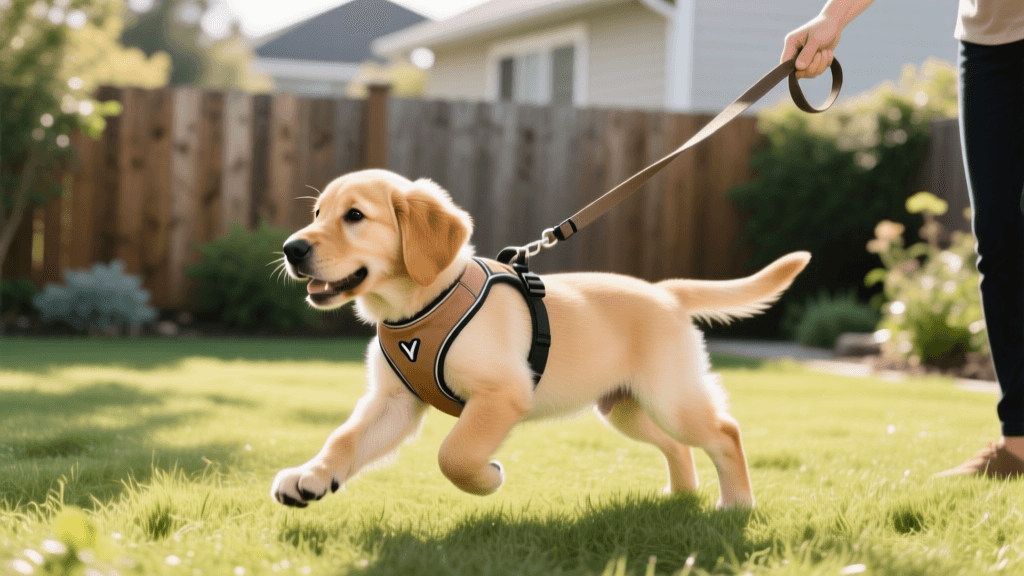
- Activity Modification: While exercise is necessary for muscle development, high-impact activities must be strictly prohibited. Avoid games of frisbee, jumping over agility hurdles, or repetitive ball-chasing on hard surfaces. Instead, opt for controlled, leashed sniff-walks on soft grass or dirt trails.
- Canine Hydrotherapy: Underwater treadmills and swimming pools designed for dogs provide excellent cardiovascular and muscle-building exercise with zero concussive impact on the joints. Many veterinary rehabilitation centers now offer specialized pediatric hydrotherapy protocols for puppies as young as 12 weeks.
2026 Puppy OA Management Comparison Table
To help you navigate the various options available, here is a structured comparison of the most common juvenile OA management strategies utilized in 2026:
| Management Strategy | Examples for Puppies | Estimated Monthly Cost (2026) | Primary Benefit |
|---|---|---|---|
| DMOAD Injections | Adequan Canine (PSGAG) | $60 - $90 (Maintenance) | Inhibits cartilage-degrading enzymes and improves joint lubrication. |
| Joint Supplements | Dasuquin Advanced, GlycoFlex Plus | $45 - $75 | Provides building blocks for cartilage repair and reduces inflammation via ASU and Omega-3s. |
| Physical Therapy | Underwater Treadmill, Laser Therapy | $150 - $250 per session | Builds stabilizing muscle mass without placing concussive stress on developing growth plates. |
| Environmental Mods | Non-slip rugs, Orthopedic beds | $100 - $200 (One-time) | Prevents daily micro-traumas and splaying caused by slippery household floors. |
Long-Term Prognosis and Milestone Tracking
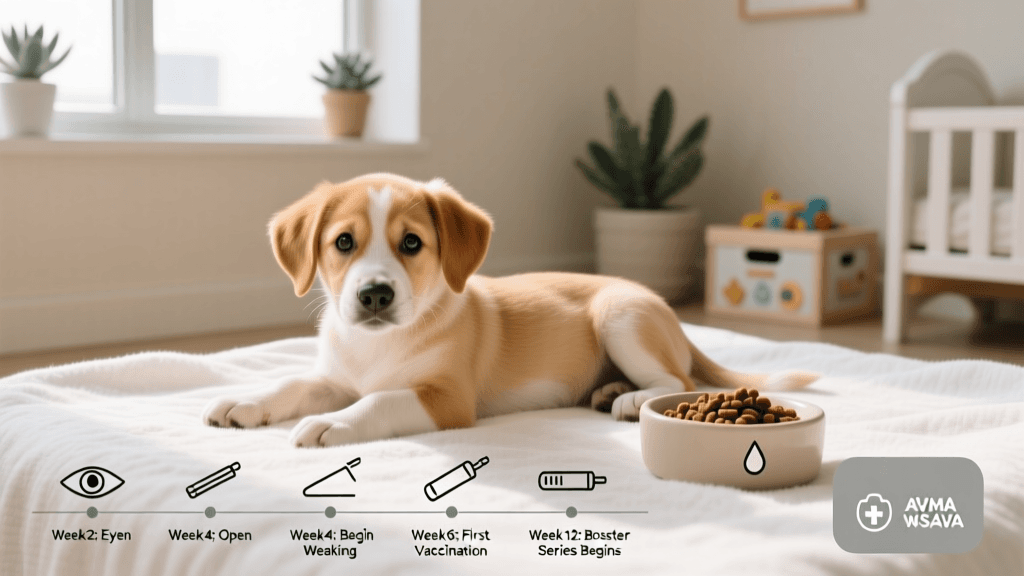
A diagnosis of early-onset osteoarthritis in your puppy's first year can feel overwhelming, but it is important to remember that veterinary science is continually evolving. With a proactive, multimodal approach, many puppies with juvenile joint issues go on to live active, comfortable, and fulfilling lives. The key is consistency. Keep a detailed journal of your puppy's mobility, energy levels, and response to various treatments. Share this data with your veterinarian during routine milestone check-ups.
By combining strict weight management, targeted nutritional support, safe environmental modifications, and appropriate veterinary therapies, you are giving your puppy the best possible foundation. Early-onset canine OA requires lifelong management, but the efforts you invest during this critical first year will pay dividends in your dog's mobility and happiness for years to come. Stay vigilant, prioritize joint health over high-impact play, and work closely with your veterinary team to adjust your puppy's care plan as they grow and mature.
robin-maitland
All our authors care for dogs every day — read more of their work on the authors page.