Diagnosing and Treating Osteoarthritis in Senior Dogs
Learn how to diagnose and treat osteoarthritis in senior dogs. Discover joint supplements, pain management, and home modifications for canine comfort.
The Hidden Epidemic: Recognizing Canine Osteoarthritis
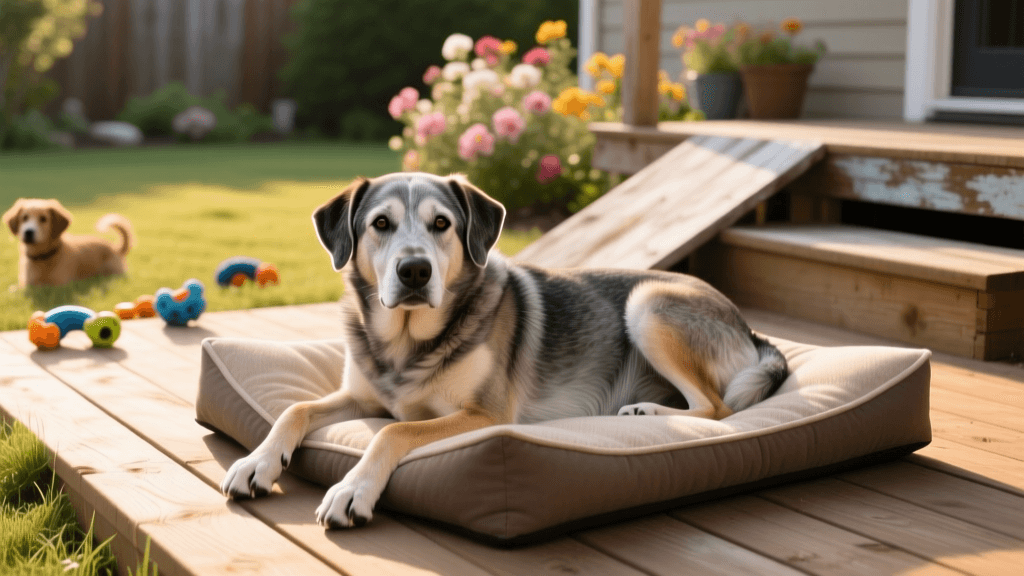
Osteoarthritis (OA), also known as degenerative joint disease, is one of the most common yet frequently overlooked chronic conditions in aging dogs. According to veterinary epidemiological data, up to 80% of dogs over the age of eight show radiographic signs of osteoarthritis. Unlike humans, dogs cannot verbalize their chronic pain. Instead, they compensate, adapt, and often suffer in silence until the joint degradation severely limits their mobility. As a pet owner, understanding the subtle signs of joint pain and knowing how to implement a comprehensive treatment plan is critical for maintaining your senior dog's quality of life.
The condition occurs when the protective cartilage that cushions the joints wears down over time, leading to bone-on-bone friction, inflammation, and the formation of painful bone spurs. While large breeds like Labrador Retrievers and German Shepherds are genetically predisposed to joint issues like hip dysplasia, which accelerates OA, small breeds are equally susceptible to patellar luxation and spinal arthritis. The goal of modern veterinary medicine is not to cure OA, as cartilage damage is irreversible, but to manage pain, slow disease progression, and maximize mobility through a multimodal approach.
Step 1: Diagnosing Joint Pain and Mobility Issues
Early diagnosis is the cornerstone of effective osteoarthritis management. Dogs are stoic creatures, and their signs of pain are often misinterpreted as normal aging or 'slowing down.' You must look for subtle behavioral and physical changes in your dog's daily routine. Common diagnostic indicators include:
- Reluctance to jump into the car, onto the bed, or up the stairs.
- Stiffness, especially after resting or waking up in the morning, which improves with mild exercise.
- A 'bunny-hopping' gait or visible limping after vigorous activity.
- Excessive licking or chewing at specific joints, such as the wrists (carpus) or knees (stifle).
- Changes in temperament, including irritability when petted near the hindquarters or spine.
- Loss of muscle mass (atrophy) in the hind legs, making the hips appear more prominent.
If you observe any of these signs, schedule a comprehensive orthopedic examination with your veterinarian. The vet will perform a physical manipulation of the joints to check for crepitus (a grinding sensation), joint effusion (swelling), and decreased range of motion. This is typically followed by diagnostic radiographs (X-rays) to assess the severity of bone remodeling, joint space narrowing, and osteophyte (bone spur) formation. As noted by the VCA Animal Hospitals, early radiographic intervention allows veterinarians to stage the disease and tailor a proactive pain management protocol before the dog experiences severe mobility loss.
Step 2: The Foundation of Weight Management
Before prescribing any medications, the most critical, non-pharmacological intervention for canine osteoarthritis is weight management. Excess body fat does not merely place additional mechanical stress on deteriorating joints; adipose (fat) tissue is biologically active and secretes pro-inflammatory cytokines that actively worsen joint inflammation. Keeping your dog at an ideal Body Condition Score (BCS) of 4 or 5 out of 9 can significantly reduce the need for pain medications.
Work with your veterinarian to calculate your dog's Resting Energy Requirement (RER) and reduce their daily caloric intake by 10% to 20% if they are overweight. Swap high-carbohydrate treats for low-calorie alternatives like baby carrots, green beans, or ice cubes. Regular, low-impact exercise, such as leash walking on soft surfaces or hydrotherapy, helps maintain muscle mass without overloading the joints.
Step 3: Medical Solutions and Pain Management
Prescription NSAIDs and Monoclonal Antibodies
Non-Steroidal Anti-Inflammatory Drugs (NSAIDs) remain the first line of defense for managing the pain and inflammation associated with OA. Common veterinary NSAIDs include Carprofen (Rimadyl), Meloxicam (Metacam), and Grapiprant (Galliprant). While highly effective, long-term NSAID use requires regular bloodwork to monitor liver and kidney function. The U.S. Food and Drug Administration (FDA) strongly advises against giving human NSAIDs like ibuprofen or naproxen to dogs, as these can cause fatal gastrointestinal ulcers and acute kidney failure even at low doses.
For dogs that cannot tolerate NSAIDs or require additional relief, a revolutionary class of drugs called monoclonal antibodies has emerged. Bedinvetmab (Librela) is a monthly injectable medication that targets and neutralizes Nerve Growth Factor (NGF), a key protein involved in OA pain signaling. Priced between $80 and $150 per month depending on the dog's weight, Librela has shown profound efficacy in improving mobility without the hepatic or renal side effects associated with traditional NSAIDs.
Disease-Modifying Osteoarthritis Drugs (DMOADs)
Polysulfated Glycosaminoglycan (PSGAG), commonly known by the brand name Adequan, is an injectable DMOAD. Administered as a series of intramuscular injections (usually twice a week for four weeks, then tapered), Adequan helps inhibit the enzymes that break down cartilage while stimulating the production of joint fluid. A typical loading series costs between $150 and $250 and can provide months of improved joint lubrication and comfort.
Step 4: Joint Supplements and Nutraceuticals
Daily joint supplements are a staple in the multimodal management of canine OA. When selecting a supplement, look for products backed by clinical trials and those that carry the National Animal Supplement Council (NASC) Quality Seal. The most effective formulations combine multiple synergistic ingredients rather than relying on a single compound.
| Supplement Brand | Key Active Ingredients | Best For | Estimated Monthly Cost (50lb Dog) |
|---|---|---|---|
| Dasuquin Advanced | Glucosamine, Chondroitin, ASU, Boswellia | Severe OA, post-surgical recovery | $65 - $80 |
| Cosequin DS Plus MSM | Glucosamine, Chondroitin, MSM | Mild to moderate joint stiffness | $35 - $45 |
| Welactin 3D Canine | High EPA/DHA Omega-3 Fatty Acids | Reducing systemic joint inflammation | $30 - $40 |
| YuMOVE Senior Dog | Green Lipped Mussel, Hyaluronic Acid | Daily maintenance, picky eaters | $25 - $35 |
Omega-3 fatty acids, specifically EPA and DHA derived from cold-water fish or green-lipped mussels, are particularly vital. To achieve a therapeutic anti-inflammatory effect, veterinary nutritionists recommend a dosage of approximately 300 mg of combined EPA/DHA per 10 pounds of body weight. The American Kennel Club (AKC) emphasizes that incorporating high-quality Omega-3s into the diet can visibly reduce joint swelling and improve a dog's willingness to exercise.
Step 5: Home Modifications and Physical Therapy
Medical management must be paired with environmental modifications to prevent acute injuries and reduce daily joint strain. Slippery hardwood or tile floors are a major hazard for arthritic dogs, often leading to splaying and soft tissue strains. Cover high-traffic areas with non-slip rugs, yoga mats, or specialized canine traction socks (e.g., Pawz dog boots or Dr. Buzzy's anti-slip socks).
Invest in an orthopedic dog bed made of high-density, human-grade memory foam. Brands like Big Barker offer beds specifically engineered to prevent bottoming out, which is crucial for large, heavy breeds with hip dysplasia. While these beds represent a higher upfront cost ($200 to $300), they provide essential pressure relief for aching joints during sleep. Additionally, use pet ramps or stairs to help your dog access the car or the bed, eliminating the high-impact force of jumping. Raised feeding stations can also alleviate strain on the cervical spine (neck) and shoulders for large, deep-chested breeds.
Conclusion: A Multimodal Approach
There is no magic pill for canine osteoarthritis. The most successful treatment plans utilize a multimodal approach, combining weight management, prescription pain relief, targeted nutraceuticals, and environmental modifications. By staying vigilant to the early signs of joint pain and partnering closely with your veterinarian, you can significantly slow the progression of degenerative joint disease. Ultimately, the goal is to ensure your senior dog's golden years are defined by comfort, mobility, and an enduring zest for life.
marcus-aldridge
All our authors care for dogs every day — read more of their work on the authors page.