First-Time Puppy Vaccine and Parasite Prevention Guide
A complete first-time owner guide to puppy vaccines and parasite prevention. Learn schedules, costs, and actionable health tips for your new dog.
Welcome to Puppy Parenthood: Navigating Preventive Care
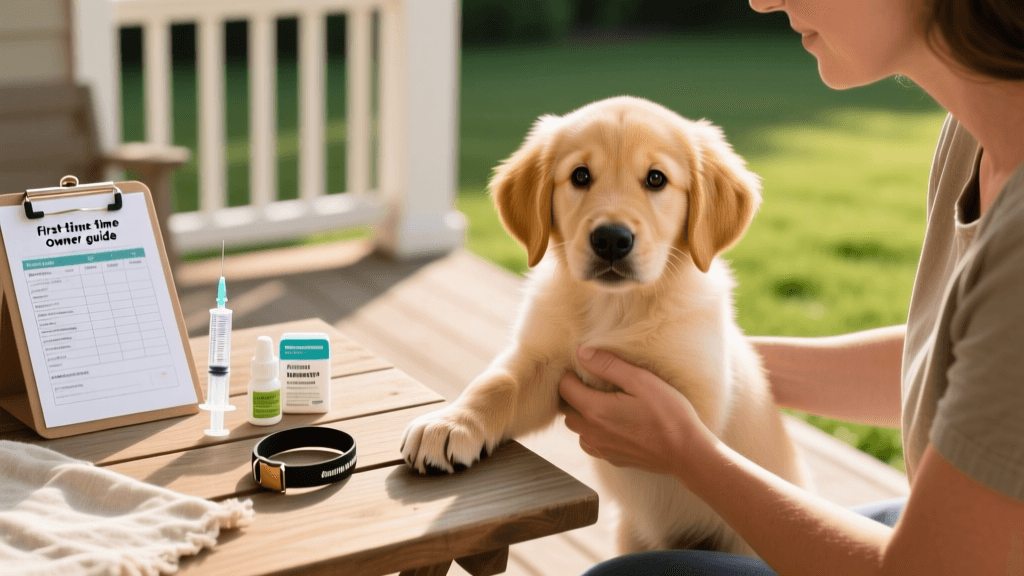
Bringing home a new puppy is one of life’s most joyful milestones, but it also comes with a steep learning curve. As a first-time dog owner, you are suddenly responsible for a vulnerable life that relies entirely on you for its health and safety. Among the most critical—and often confusing—responsibilities is establishing a robust preventive care routine. Navigating the myriad of vaccines, dewormers, and parasite preventatives can feel overwhelming, but understanding the 'why' and 'when' behind these treatments is essential for your puppy's long-term wellbeing.
This comprehensive guide is designed specifically for first-time owners. We will break down the core and non-core vaccination schedules, explain the science behind maternal antibodies, compare modern parasite prevention products, and provide a realistic cost breakdown for your puppy's first year of veterinary care.
The Science of Puppy Immunity: Why Boosters Matter
One of the most common questions first-time owners ask is, 'Why does my puppy need so many shots?' The answer lies in maternal antibodies. When a puppy nurses from its mother shortly after birth, it ingests colostrum, a milk rich in antibodies that provides temporary immunity against diseases. However, these maternal antibodies also neutralize vaccines. If a vaccine is given while maternal antibodies are still high, the puppy’s immune system won't mount its own protective response.
Because maternal antibody levels decline at different rates for every puppy, veterinarians administer a series of booster vaccines every three to four weeks until the puppy is at least 16 weeks old. This ensures that the moment the maternal antibodies drop below protective levels, the vaccine can successfully stimulate the puppy's own immune system. According to the American Animal Hospital Association (AAHA), failing to complete this series leaves puppies dangerously vulnerable to fatal illnesses.
Core vs. Non-Core Vaccines: What Your Puppy Needs
Vaccines are categorized into 'core' and 'non-core' based on the severity of the disease and the risk of exposure.
Core Vaccines
Core vaccines are universally recommended for all dogs, regardless of lifestyle, because they protect against severe, life-threatening diseases with global distribution:
- Canine Parvovirus (CPV): A highly contagious, often fatal gastrointestinal virus that causes severe vomiting, bloody diarrhea, and rapid dehydration.
- Canine Distemper Virus (CDV): A devastating airborne disease affecting the respiratory, gastrointestinal, and central nervous systems.
- Canine Adenovirus-2 (CAV-2): Protects against infectious canine hepatitis and respiratory infections.
- Parainfluenza: A key viral component of the canine infectious respiratory disease complex (commonly known as kennel cough).
- Rabies: A fatal zoonotic virus (transmissible to humans) that affects the central nervous system. It is required by law in most regions.
These are typically combined into a single injection known as the DA2PP or DHPP vaccine, with Rabies given separately.
Non-Core (Lifestyle) Vaccines
Non-core vaccines are recommended based on your puppy’s geographic location and lifestyle. Your veterinarian may suggest:
- Bordetella bronchiseptica: Essential if your puppy will attend daycare, boarding, or puppy socialization classes.
- Leptospirosis: A bacterial infection spread through the urine of wildlife (like raccoons and rodents). Recommended for dogs that hike, swim in lakes, or live in urban areas with high rodent populations.
- Lyme Disease: Recommended for dogs living in or traveling to heavily wooded, tick-endemic areas.
- Canine Influenza (H3N2/H3N8): Suggested for highly social dogs in areas with known outbreaks.
The First-Time Owner Puppy Vaccination Schedule
Below is the standard timeline recommended by the American Kennel Club (AKC) and the AAHA. Always consult your local veterinarian, as regional disease prevalence may alter this timeline slightly.
| Puppy Age | Core Vaccines | Non-Core / Lifestyle Vaccines | Parasite Care |
|---|---|---|---|
| 6-8 Weeks | DA2PP (1st dose) | Bordetella (optional) | Fecal test, Dewormer |
| 10-12 Weeks | DA2PP (2nd dose) | Bordetella, Leptospirosis, Lyme | Heartworm/Flea/Tick preventative starts |
| 14-16 Weeks | DA2PP (3rd dose) | Leptospirosis booster | Monthly preventatives |
| 16+ Weeks | Rabies (1st dose) | Canine Influenza (if indicated) | Monthly preventatives |
| 1 Year | DA2PP & Rabies Boosters | Boosters based on lifestyle | Annual Heartworm test |
Parasite Prevention: Fleas, Ticks, and Heartworm
Parasites are more than just a nuisance; they are vectors for severe diseases. The Companion Animal Parasite Council (CAPC) strongly advocates for year-round, broad-spectrum parasite prevention for all dogs, starting as early as 8 weeks of age.
Heartworm Disease
Heartworm is transmitted exclusively through the bite of an infected mosquito. Even if your puppy is strictly indoors or lives in an apartment, a single mosquito that slips through a door can transmit the larvae. Heartworm disease causes severe lung disease, heart failure, and death. Treatment for an active heartworm infection is incredibly expensive (often exceeding $1,000) and physically taxing on the dog. Prevention is safe, highly effective, and costs a fraction of the treatment.
Popular Preventatives: Heartgard Plus (ivermectin/pyrantel) and Interceptor Plus (milbemycin oxime/praziquantel) are highly trusted monthly chewables that also treat intestinal worms.
Flea and Tick Control
Fleas can cause severe allergic dermatitis and transmit tapeworms, while ticks carry debilitating diseases like Lyme, Ehrlichiosis, and Anaplasmosis. Modern veterinary medicine has largely moved toward oral isoxazoline medications, which are highly effective and avoid the mess of topical spot-on treatments.
Popular All-in-One Options: Products like Simparica Trio and NexGard Spectra combine heartworm prevention, intestinal deworming, and flea/tick control into a single monthly chew. Note: The FDA has issued alerts regarding isoxazolines and potential neurological side effects in dogs with pre-existing seizure disorders. Always disclose your puppy's full medical history to your vet before starting these medications.
Deworming: The Hidden Threat of Intestinal Parasites
Most puppies are born with intestinal parasites, such as roundworms and hookworms, which can be transmitted from the mother in utero or through her milk. These parasites steal vital nutrients from your growing puppy and can cause a pot-bellied appearance, diarrhea, and stunted growth. Furthermore, roundworms and hookworms are zoonotic, meaning they can be transmitted to humans, particularly children.
Your veterinarian will perform a fecal flotation test at your puppy's first visit to identify specific parasites. Broad-spectrum dewormers like Pyrantel Pamoate or Fenbendazole (Panacur) are typically administered every two weeks alongside the early vaccination schedule until the puppy is 12 weeks old.
First-Year Preventive Care Cost Breakdown
Budgeting is a crucial part of responsible pet ownership. While costs vary significantly by geographic location and veterinary clinic type, here is a realistic estimate of what a first-time owner should budget for preventive care in the puppy's first year.
| Service / Product | Estimated Cost (USD) | Frequency |
|---|---|---|
| Initial Vet Exam & Fecal Test | $65 - $100 | Once (at 6-8 weeks) |
| DA2PP Vaccine Series (3 doses) | $30 - $45 per dose | Every 3-4 weeks until 16 wks |
| Rabies Vaccine | $20 - $35 | Once (at 16+ weeks) |
| Bordetella / Lifestyle Vaccines | $25 - $40 per dose | As recommended by vet |
| Monthly Heartworm/Flea/Tick Preventative | $20 - $30 per month | Monthly (Year-round) |
| Deworming Treatments | $15 - $25 per dose | 2-3 times in first 12 weeks |
| Spay/Neuter Surgery (if not included) | $300 - $600 | Once (typically at 6 months) |
Total Estimated First-Year Preventive Budget: $600 to $1,200+. Many clinics offer 'Puppy Wellness Packages' that bundle these services at a 15-20% discount, which is highly recommended for first-time owners looking to manage costs.
Actionable Tips for Stress-Free Vet Visits
Preventive care requires frequent visits to the clinic during your puppy's first few months. How you handle these early visits will shape your dog's relationship with the veterinarian for life.
- Practice Handling at Home: Gently touch your puppy’s paws, ears, and mouth daily. Reward them with high-value treats (like boiled chicken or freeze-dried liver). This mimics the physical exam and makes nail trims and ear inspections easier.
- The 'Happy Visit': Before your puppy's first actual appointment, take them to the vet clinic just to walk on the scale, get treats from the staff, and leave. This builds positive associations without the stress of needles.
- Bring the Right Gear: Use a secure, well-ventilated carrier for small breeds, or a sturdy 4-to-6-foot leash for larger breeds. Avoid retractable leashes in the waiting room to maintain close control and prevent overwhelming encounters with other animals.
- Bring a Fresh Stool Sample: Collect a fresh fecal sample (less than 12 hours old) in a clean plastic bag or container and keep it cool until your appointment. This saves you a second trip back to the clinic for a fecal test.
Conclusion
As a first-time dog owner, taking charge of your puppy’s preventive health care is the most profound way to show your love. By adhering to a structured vaccination schedule, investing in high-quality, year-round parasite prevention, and partnering closely with your veterinarian, you are laying the foundation for a vibrant, energetic, and long life together. Keep your records organized, stay on top of those monthly chewables, and enjoy the beautiful journey of watching your puppy grow into a healthy adult dog.
anouk-beaumont
All our authors care for dogs every day — read more of their work on the authors page.