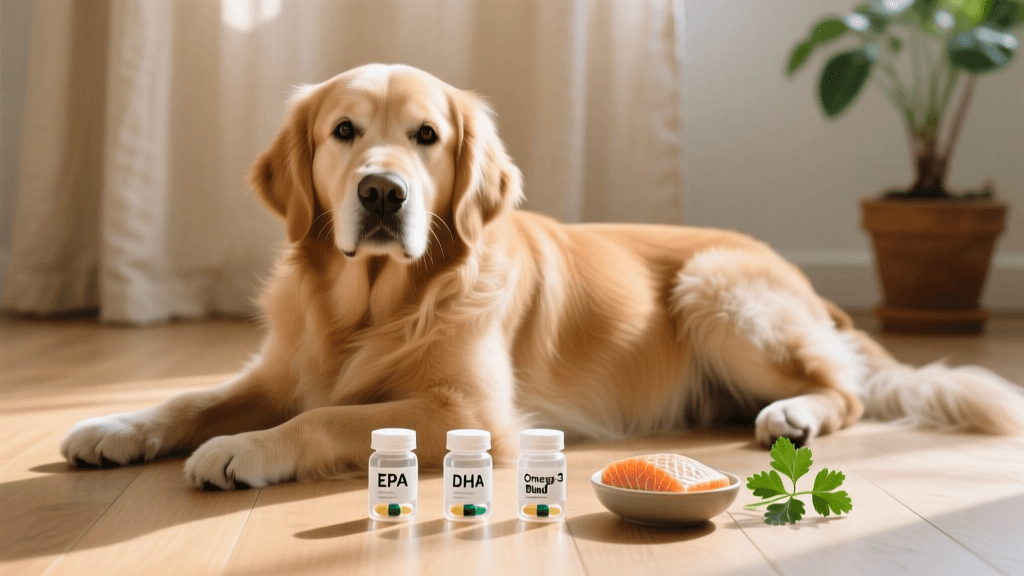
Omega-3 Fatty Acids for Canine Joint and Cognitive Health
Discover how Omega-3 fatty acids support your dog's joint mobility and cognitive function. Learn exact dosages, best sources, and supplement tips.

Introduction to Canine Omega-3 Nutrition
When it comes to managing chronic conditions like osteoarthritis or age-related cognitive decline in dogs, pharmaceutical interventions are only one piece of the puzzle. A targeted nutritional strategy is equally critical. Among the most thoroughly researched nutritional interventions in veterinary medicine are Omega-3 polyunsaturated fatty acids (PUFAs). Specifically, eicosapentaenoic acid (EPA) and docosahexaenoic acid (DHA) have demonstrated profound anti-inflammatory and neuroprotective properties. In this deep dive, we will explore the biochemistry of Omega-3s, establish evidence-based dosing protocols, and evaluate the most effective sourcing options for your dog's health and wellbeing.
The Biochemistry of Omega-3s: ALA vs. EPA and DHA
Not all Omega-3s are created equal. Plant-based sources like flaxseed, chia seeds, and hemp contain alpha-linolenic acid (ALA). While ALA is an essential fatty acid, dogs lack the sufficient hepatic activity of the enzyme delta-6-desaturase required to efficiently convert ALA into the biologically active forms, EPA and DHA. According to veterinary nutritionists at the Tufts University Cummings Veterinary Medical Center, the conversion rate of ALA to EPA and DHA in canines is remarkably low, often less than 10%. Therefore, relying on plant-based Omega-3s to manage joint inflammation or cognitive decline is clinically ineffective. To achieve therapeutic benefits, dogs require direct dietary supplementation with marine-derived or algal EPA and DHA.
Joint Health: Reducing Inflammation and Pain
Osteoarthritis (OA) affects an estimated 20% of adult dogs and over 80% of geriatric dogs. The pathophysiology of OA is driven by chronic inflammation within the joint capsule. When a dog's joint is stressed or damaged, cell membranes release arachidonic acid (an Omega-6 fatty acid), which is metabolized by cyclooxygenase (COX) enzymes into pro-inflammatory prostaglandins and leukotrienes. These compounds cause pain, swelling, and further cartilage degradation.
EPA acts as a direct competitor to arachidonic acid. By incorporating EPA into the cell membrane, the COX enzymes metabolize it into Series-3 prostaglandins and Series-5 leukotrienes, which are vastly less inflammatory. A landmark study published in the National Center for Biotechnology Information (NCBI) highlighted that dietary supplementation with high concentrations of EPA significantly reduces the expression of matrix metalloproteinases (MMPs), the enzymes responsible for destroying cartilage. Clinically, this translates to improved weight-bearing capacity, reduced reliance on NSAIDs (Non-Steroidal Anti-Inflammatory Drugs), and enhanced mobility.
Cognitive Function: Protecting the Aging Canine Brain
Canine Cognitive Dysfunction (CCD) is analogous to Alzheimer's disease in humans. The aging canine brain is highly susceptible to oxidative stress and the accumulation of beta-amyloid plaques. DHA is a primary structural component of the mammalian brain and retina. It maintains neuronal membrane fluidity, facilitates neurotransmitter signaling, and possesses inherent neuroprotective qualities. Studies indicate that senior dogs supplemented with high-DHA diets show marked improvements in spatial awareness, reduced nocturnal pacing, and better recognition of family members. For aging dogs, combining DHA supplementation with medium-chain triglycerides (MCTs) and antioxidants yields the best cognitive outcomes.
Sourcing Omega-3s: Whole Foods vs. Supplements
Choosing the right source of EPA and DHA is critical for efficacy, safety, and budget. Below is a comparison of the most common Omega-3 sources for dogs.
| Source Type | EPA/DHA Profile | Bioavailability & Notes | Avg. Monthly Cost (40lb Dog) |
|---|---|---|---|
| Wild Alaskan Salmon Oil | Balanced EPA/DHA | High triglyceride form; excellent palatability; rich in astaxanthin. | $15 - $22 |
| Antarctic Krill Oil | Higher EPA | Phospholipid-bound (superior cellular absorption); contains natural astaxanthin. | $25 - $35 |
| Algal Oil (Vegan) | High DHA | Sustainable; free from heavy metals; ideal for dogs with fish allergies. | $20 - $30 |
| Omega-3 Soft Chews | Variable (Often Low) | Convenient but often under-dosed; contains fillers and preservatives. | $30 - $45 |
| Canned Sardines (in Water) | High EPA/DHA | Whole food source; high in sodium if not rinsed; caloric density is high. | $10 - $15 |
For targeted therapeutic use (like severe arthritis), liquid triglyceride-form fish oils or krill oils are the gold standard due to their high concentration and ease of dose adjustment.
Actionable Dosing Guidelines and Cost Analysis
The most common mistake pet owners make is under-dosing Omega-3s. The dose required to maintain a healthy coat is vastly different from the dose required to modulate joint inflammation. According to the World Small Animal Veterinary Association (WSAVA) and veterinary dermatology/rheumatology consensus, the therapeutic dose for osteoarthritis and severe inflammation is between 50 mg to 100 mg of combined EPA and DHA per kilogram of body weight.
Dosing Example: 40 lb (18.1 kg) Dog with Osteoarthritis
- Target Dose: 75 mg/kg of combined EPA + DHA.
- Calculation: 18.1 kg x 75 mg = 1,357 mg of combined EPA/DHA daily.
- Product Selection: Grizzly Salmon Plus Wild Alaskan Salmon Oil.
- Label Check: One pump (approx. 4g) yields roughly 450 mg of combined EPA/DHA.
- Daily Administration: 3 full pumps per day.
- Cost Efficiency: A 16oz bottle costs roughly $28 and contains about 120 pumps. At 3 pumps a day, the bottle lasts 40 days, equating to an affordable $0.70 per day.
Pro-Tip for Absorption: Omega-3s are fat-soluble. Always administer the oil alongside your dog's main meal, ideally one that contains a healthy fat source, to stimulate bile release and maximize intestinal absorption.
How to Read a Supplement Label
Marketing on pet supplements can be deceptive. A bottle may boast '10,000 mg of Fish Oil' on the front, but the critical metric is the combined EPA and DHA listed on the back nutritional panel. If a capsule contains 1,000 mg of fish oil but only yields 180 mg of EPA and 120 mg of DHA, the active therapeutic dose is only 300 mg. You would need to feed your dog 4 to 5 of these capsules daily to reach a therapeutic joint dose, which inadvertently adds unnecessary inactive fats and calories to their diet. Always calculate your cost and dose based strictly on the combined EPA/DHA milligrams.
Safety, Storage, and Potential Side Effects
While Omega-3s are exceptionally safe, they are highly prone to oxidation. When fish oil oxidizes, it turns rancid, losing its anti-inflammatory properties and actually becoming pro-inflammatory. To prevent this:
- Storage: Always store liquid fish oils in the refrigerator after opening. Keep them in dark, opaque bottles to protect against UV light degradation.
- Smell Test: Fresh fish oil should smell mildly of the ocean. If it smells sharply acidic, overly 'fishy', or like rotting seafood, it has oxidized and must be discarded.
- Vitamin E Depletion: The metabolism of high doses of PUFAs increases the body's demand for antioxidants. Long-term, high-dose fish oil supplementation can deplete Vitamin E stores. Ensure your dog's base diet is fortified with adequate Vitamin E (mixed tocopherols), or consult your vet about adding a Vitamin E supplement.
- Gastrointestinal Upset: Introducing high doses of oil too quickly can cause steatorrhea (fatty stools) or diarrhea. Always titrate the dose, starting at 25% of the target amount and gradually increasing over 10 to 14 days.
Conclusion
Integrating therapeutic doses of EPA and DHA into your dog's daily regimen is one of the most effective, evidence-based strategies for managing joint degradation and supporting cognitive longevity. By bypassing ineffective plant-based ALA sources, carefully calculating doses based on your dog's exact weight, and prioritizing high-quality, triglyceride-form marine or algal oils, you can significantly enhance your dog's quality of life. Always consult with your primary care veterinarian before initiating high-dose supplementation, especially if your dog is currently taking NSAIDs or has a history of coagulation disorders.
aaron-whyte
All our authors care for dogs every day — read more of their work on the authors page.