How to Diagnose and Treat Painful Dog Hot Spots Fast
Learn how to diagnose dog hot spots, identify the root cause, and apply fast, effective treatments to heal your dog's acute moist dermatitis.
What Is a Canine Hot Spot?
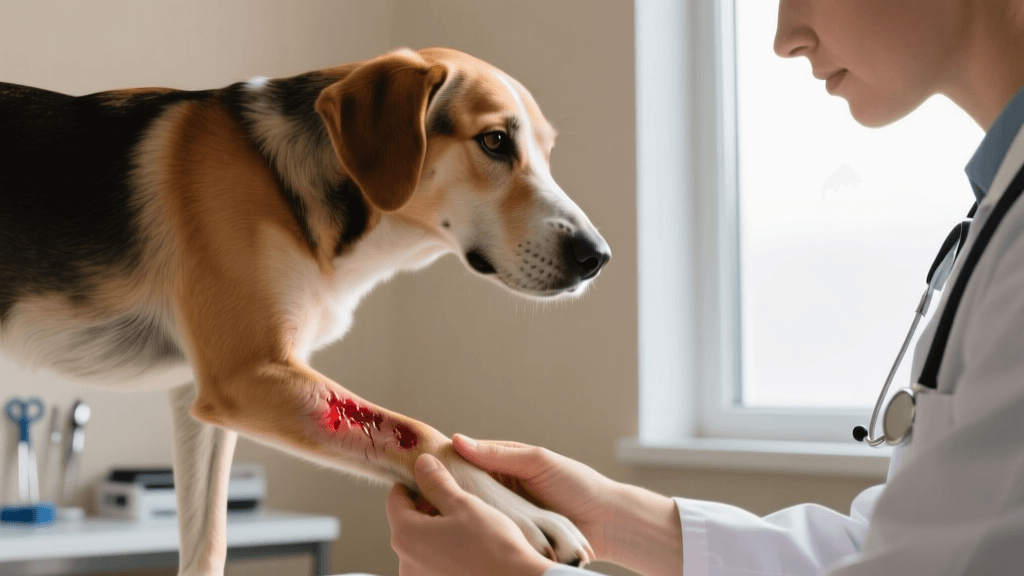
Canine hot spots, clinically known as pyotraumatic dermatitis or acute moist dermatitis, are localized, inflamed, and infected skin lesions. They appear suddenly and can spread rapidly if left untreated. According to the VCA Animal Hospitals, hot spots are the result of self-inflicted trauma when a dog licks, chews, or scratches an itchy or painful area to the point of severe skin damage.
Visually, a hot spot presents as a red, moist, hairless patch of skin that may ooze pus or serum. The surrounding hair is often matted, and the lesion typically emits a distinct, foul odor. While they can appear anywhere on a dog's body, they are most commonly found on the head, hips, and chest areas where moisture and bacteria become trapped against the skin.
Diagnosing the Problem: Signs and Root Causes
Before treating the symptom, you must diagnose the underlying trigger. A hot spot is a secondary bacterial infection; the primary cause is what made your dog itch or chew in the first place. If you only treat the lesion without addressing the root cause, the hot spot will inevitably return.
Common Triggers to Investigate
- Flea Allergy Dermatitis (FAD): The most common cause. Even a single flea bite can trigger a massive allergic reaction in sensitive dogs, leading to frantic chewing at the base of the tail or hindquarters.
- Environmental or Food Allergies: Atopic dermatitis caused by pollen, dust mites, or specific dietary proteins (like chicken or beef) can cause generalized pruritus (itching). Diagnosing food allergies often requires a strict 8-to-12-week hydrolyzed protein diet trial prescribed by a veterinarian.
- Moisture Trapping: Dogs with thick undercoats or those who swim frequently without being thoroughly dried are prone to hot spots due to bacterial overgrowth in damp fur.
- Boredom or Anxiety: Compulsive licking, often directed at the paws or front legs, can create a moist environment that invites bacterial infection. This is common in high-energy working breeds that lack adequate mental stimulation.
- Underlying Pain: Arthritis or anal gland impaction can cause a dog to chew at a specific joint or the base of the tail to soothe deep-tissue discomfort.
Step-by-Step Solutions: How to Treat Hot Spots at Home
If the hot spot is small (under two inches in diameter) and your dog is not systemically ill (no fever or lethargy), you can often manage it at home. Here is a clinical, step-by-step protocol to halt the spread and promote healing.
Step 1: Trim and Clean the Area
Bacteria thrive in dark, moist environments. You must expose the lesion to air. Using a pair of pet-safe clippers (such as the Wahl Professional Animal Arco Cordless Clipper, approx. $150), carefully shave the hair around the hot spot, extending about one inch past the visible redness. Do not use scissors, as inflamed skin can easily bunch up and be accidentally cut.
Once trimmed, gently clean the area twice daily. Use a 2% chlorhexidine solution or 2% benzoyl peroxide wipe. Alternatively, you can dilute Betadine (povidone-iodine) with warm water until it resembles the color of weak iced tea. Gently dab the area dry with a clean gauze pad; never rub, as this will cause pain and further tissue damage.
Step 2: Apply Topical Treatments
After cleaning, apply an over-the-counter antimicrobial hydrogel. Vetericyn Plus All Animal Antimicrobial Hydrogel (approx. $15 to $20 per bottle) is highly recommended by veterinarians for its ability to kill bacteria and fungi without stinging or damaging healthy tissue. Apply a generous layer 3 to 4 times a day. Avoid thick ointments or creams, as they trap moisture and defeat the purpose of drying out the lesion.
Step 3: Prevent Licking and Scratching
This is the most critical step. If your dog can reach the hot spot, they will ruin your progress. An Elizabethan collar (E-collar) is the gold standard. The KONG Cloud Collar or traditional plastic E-collars ($15 to $25) prevent the dog from turning their head to reach their flanks or hindquarters. For paw or leg hot spots, consider a surgical recovery suit or a baby sock secured with medical tape.
Comparison Chart: Hot Spot Treatments and Preventatives
| Treatment / Preventative Type | Specific Product Examples | Estimated Cost | Best Used For |
|---|---|---|---|
| Antimicrobial Cleansers | Hibiclens (Chlorhexidine), Betadine | $8 - $15 | Initial cleaning and daily disinfection of the lesion. |
| Topical Healing Sprays | Vetericyn Plus, Pet MD Hydrocortisone Spray | $12 - $22 | Killing surface bacteria and reducing mild localized itching. |
| Physical Barriers | Plastic E-Collar, KONG Cloud Collar | $15 - $30 | Preventing self-mutilation and allowing the skin to dry. |
| Flea Prevention (Root Cause) | Bravecto, NexGard, Simparica Trio | $40 - $70 / dose | Preventing Flea Allergy Dermatitis (FAD) triggers. |
| Allergy Supplements | Zesty Paws Aller-Immune Bites, Omega-3 Fish Oils | $25 - $35 | Long-term skin barrier support and reducing systemic inflammation. |
When to See the Veterinarian
While mild hot spots can be managed at home, you should seek professional veterinary care if:
- The lesion is larger than two inches in diameter or is spreading rapidly.
- Your dog exhibits signs of systemic illness, such as lethargy, loss of appetite, or a fever.
- The hot spot is located dangerously close to the eyes, ears, or genitals.
- Home treatment shows no improvement after 48 hours of diligent care.
A veterinarian will typically perform a thorough dermatological exam, which may include skin scrapings or cytology to rule out yeast infections, ringworm, or demodectic mange. According to the Merck Veterinary Manual, severe cases often require systemic antibiotics (like Cephalexin) and oral corticosteroids or targeted therapies like Apoquel or Cytopoint to break the intense itch-scratch cycle. A vet visit for a severe hot spot typically costs between $100 and $250, depending on the diagnostics and medications required.
'The key to managing hot spots is twofold: treat the secondary bacterial infection and aggressively manage the primary pruritus (itching). Without stopping the itch, the dog will continue to traumatize the skin.' — American Kennel Club (AKC) Veterinary Experts.
Long-Term Prevention Strategies
Once the immediate crisis is resolved, focus on prevention to ensure your dog remains comfortable year-round. Maintain a strict, year-round flea and tick preventative regimen, as FAD remains the leading culprit of sudden hot spots. If your dog is a frequent swimmer or has a dense double coat (like a Golden Retriever or German Shepherd), invest in a high-velocity dog dryer (like the Chris Christensen K-9 II, approx. $250) to blow out trapped moisture from the undercoat immediately after bathing or swimming. Towel drying is rarely sufficient for these breeds.
Furthermore, ensure your dog receives adequate mental stimulation and physical exercise to prevent anxiety-induced over-grooming. Puzzle toys, daily sniffaris, and obedience training can drastically reduce compulsive licking behaviors. Finally, consider adding a high-quality Omega-3 fatty acid supplement to their daily diet to fortify the skin barrier against environmental allergens. By combining rapid, targeted home care with proactive environmental management, you can keep your dog's skin healthy, intact, and entirely free of painful hot spots.
hannah-wickes
All our authors care for dogs every day — read more of their work on the authors page.