The First-Time Owner Guide to Puppy Vaccines and Costs
Discover the essential puppy vaccination schedule, average costs, and core vs. non-core vaccines in this complete guide for first-time dog owners.
Welcome to Dog Parenthood: Why Vaccines Matter
Bringing home a new puppy is one of life's most rewarding experiences, but it also introduces a steep learning curve regarding canine healthcare. For first-time dog owners, navigating the veterinary world can feel overwhelming, especially when faced with a confusing array of medical jargon, syringes, and unexpected bills. However, understanding your puppy's vaccination schedule is the single most important step you can take to ensure a long, healthy life for your new best friend.
When puppies are born, they receive temporary immunity from their mother's milk, specifically the colostrum. These maternal antibodies protect them during their first few weeks of life. However, as these antibodies naturally fade, puppies enter a critical 'window of susceptibility' where they are highly vulnerable to life-threatening diseases. Because veterinarians cannot pinpoint the exact moment maternal antibodies disappear, puppies require a series of booster shots every three to four weeks until they are at least 16 weeks old. This systematic approach ensures there are no gaps in their immunological armor.
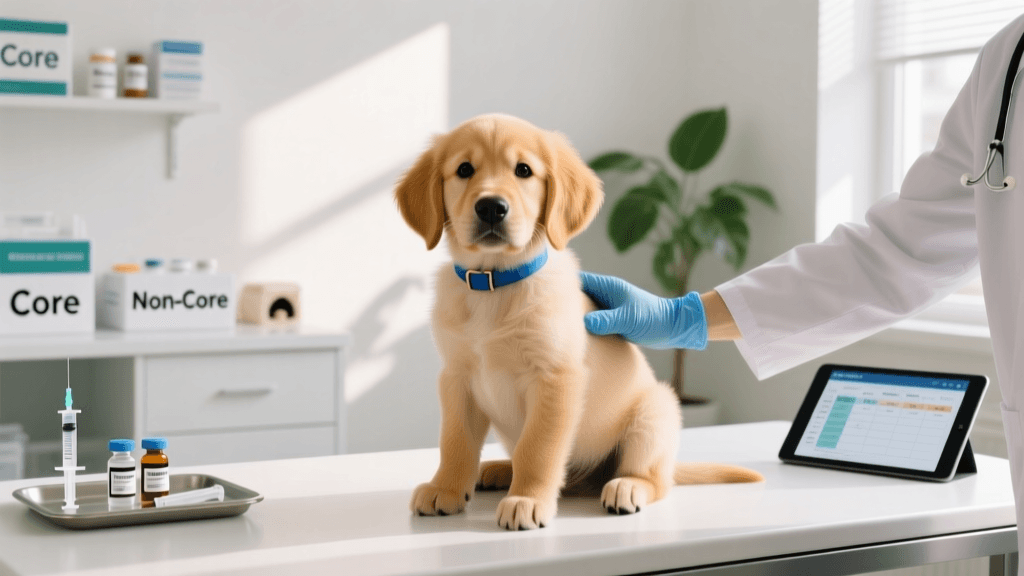
Core vs. Non-Core Vaccines Explained
According to the American Animal Hospital Association (AAHA), canine vaccines are divided into two distinct categories: core and non-core. Understanding the difference will help you make informed, budget-friendly decisions with your veterinarian.
Core Vaccines (The Must-Haves)
Core vaccines are universally recommended for all dogs, regardless of their geographic location or lifestyle. They protect against diseases that are highly contagious, severe, or pose a risk to human health.
- Canine Parvovirus (CPV): A highly contagious and often fatal virus that attacks the gastrointestinal tract. Parvo is notoriously resilient, surviving in soil and on surfaces for months. Treatment requires aggressive, expensive hospitalization that can easily exceed $2,000.
- Canine Distemper: An airborne virus that attacks the respiratory, gastrointestinal, and nervous systems. There is no cure for distemper, and it is frequently fatal or leaves survivors with permanent neurological damage.
- Canine Adenovirus-2 (CAV-2): Protects against infectious canine hepatitis, which can cause severe liver and kidney damage.
- Rabies: A fatal zoonotic disease (transmissible to humans) that attacks the central nervous system. Rabies vaccinations are strictly mandated by law in most municipalities. The Centers for Disease Control and Prevention (CDC) emphasizes that keeping dogs vaccinated is the primary defense against human rabies exposure.
These core vaccines (excluding Rabies) are typically combined into a single injection known as the DA2PP or DHPP shot, minimizing the number of times your puppy needs to be poked with a needle.
Non-Core Vaccines (Lifestyle-Dependent)
Non-core vaccines are prescribed based on your puppy's specific risk factors, environment, and lifestyle. If you plan to board your dog, attend puppy socialization classes, or hike in wooded areas, your vet will likely recommend several of these:
- Bordetella (Kennel Cough): Essential for social dogs. This highly contagious respiratory infection spreads rapidly in dog parks, grooming salons, and boarding facilities. It is often administered as a painless intranasal drop or oral liquid.
- Leptospirosis: A bacterial infection transmitted through the urine of infected wildlife (like raccoons and rodents) in standing water or soil. It can cause acute kidney and liver failure and is also zoonotic.
- Lyme Disease: Transmitted by black-legged ticks. Recommended for dogs living in or traveling to heavily wooded, tick-endemic regions like the Northeastern United States.
- Canine Influenza (H3N2 and H3N8): Recommended for dogs in dense urban environments or those frequently exposed to other dogs in shelters or shows.
The Ultimate Puppy Vaccination Schedule and Cost Table
One of the most common questions first-time owners asks is, 'How much will this cost?' Veterinary pricing varies significantly based on your geographic location, the type of clinic (corporate vs. independent vs. low-cost shelter), and regional disease prevalence. Below is a standardized timeline and estimated cost breakdown based on national averages provided by the American Kennel Club (AKC) and industry veterinary data.
| Puppy Age | Vaccines Administered | Average Cost (Per Visit) |
|---|---|---|
| 6 - 8 Weeks | DA2PP (1st Dose), Deworming | $25 - $50 |
| 10 - 12 Weeks | DA2PP (2nd Dose), Bordetella, Leptospirosis (1st) | $45 - $85 |
| 14 - 16 Weeks | DA2PP (3rd Dose), Rabies, Leptospirosis (2nd) | $60 - $110 |
| 12 - 16 Months | DA2PP Booster, Rabies Booster, Bordetella | $50 - $95 |
Note: Heartworm prevention and flea/tick medications are separate monthly costs (typically $15 - $25 per month) and are not included in the vaccination totals above.
Budgeting for Preventive Care: Wellness Plans vs. Pay-As-You-Go
Staring at a $400 cumulative bill for puppy shots can cause sticker shock for new owners. Fortunately, there are strategic ways to manage these expenses without compromising your dog's health.
1. Puppy Wellness Packages
Many veterinary chains (such as Banfield Pet Hospital inside PetSmart) and local independent clinics offer 'Puppy Starter Packages.' Instead of paying per visit, you pay a flat upfront fee—usually ranging from $250 to $450—that covers all core vaccines, deworming, fecal exams, and the initial microchip. This route offers predictable budgeting and ensures you don't skip appointments due to sudden financial constraints.
2. Pet Insurance Wellness Riders
Standard pet insurance policies (like Trupanion or Healthy Paws) are designed for catastrophic accidents and illnesses; they explicitly do not cover routine vaccines. However, many providers offer optional 'Wellness' or 'Preventive Care' add-ons for an extra $10 to $25 per month. These riders reimburse you for vaccines, annual bloodwork, and flea prevention, effectively spreading the cost of puppyhood over the year.
3. Low-Cost Community Clinics
If you are on a strict budget, look for local SPCA chapters, Humane Societies, or mobile veterinary pop-up clinics. These organizations often offer core vaccines for $10 to $20 per shot. The trade-off is that you will not receive a comprehensive physical exam or personalized behavioral counseling, which are valuable components of a standard private vet visit.
What to Expect After Vaccination (Side Effects)
It is entirely normal to feel anxious after your puppy receives their shots. Vaccines stimulate the immune system, which can cause mild, temporary reactions. As a first-time owner, you must know the difference between a normal immune response and a medical emergency.
Mild, Normal Reactions (Lasting 24-48 Hours)
- Lethargy or increased sleeping
- Mild soreness or a small, firm lump at the injection site
- Decreased appetite for one meal
- Low-grade fever
- Sneezing or mild coughing (specifically after the intranasal Bordetella vaccine)
Severe Reactions (Require Immediate Vet Attention)
Anaphylaxis is a rare but life-threatening allergic reaction that typically occurs within minutes to a few hours after vaccination. Rush your puppy to an emergency vet if you observe:
- Facial swelling, particularly around the muzzle and eyes
- Hives or severe itching across the body
- Persistent vomiting or diarrhea
- Difficulty breathing or pale gums
- Collapse or extreme weakness
Pro Tip: Schedule your puppy's vaccinations in the morning. This ensures that if an allergic reaction occurs, your regular vet is still open, and you won't be forced to pay expensive after-hours emergency clinic fees.
Preparing Your Puppy for the Vet Visit
A successful vaccination schedule relies on making the vet's office a positive environment. Puppies that are traumatized during their first visits often develop lifelong veterinary anxiety, making future medical care difficult and dangerous.
- Socialize the Carrier: Leave the travel crate open in your living room with high-value treats (like frozen Kongs or boiled chicken) inside for a week before the appointment.
- Bring a 'Bribe' Pouch: Bring a pouch filled with soft, smelly treats (like squeeze tubes of peanut butter or commercial lick mats). Vet techs can use these to distract your puppy while the veterinarian administers the injections.
- Practice Handling: Gently touch your puppy's paws, ears, and mouth daily at home. This mimics the physical examination the vet will perform and reduces fear-based reactivity.
Final Thoughts for New Owners
Navigating your puppy's first year of healthcare is a significant responsibility, but it lays the foundation for a vibrant, disease-free adult life. By understanding the distinction between core and non-core vaccines, budgeting smartly with wellness packages, and monitoring for post-vaccine reactions, you are already stepping into the role of a proactive, educated dog parent. Always maintain an open dialogue with your veterinarian, ask questions about regional risks, and keep your puppy's medical records in a secure, easily accessible digital folder.
hannah-wickes
All our authors care for dogs every day — read more of their work on the authors page.