Traveling With Dogs: Air and Road Trip Myths Debunked
Discover the truth about traveling with dogs. We debunk air travel and road trip myths to keep your pet safe, comfortable, and stress-free.
Introduction: The Reality of Traveling With Your Dog
Traveling with your canine companion is one of the greatest joys of pet ownership. Whether you are embarking on a cross-country road trip or flying across the globe for a long-awaited vacation, bringing your dog along can transform a good trip into an unforgettable one. However, the internet is flooded with conflicting advice, outdated practices, and alarming horror stories that can make planning a trip with your dog feel overwhelming. As pet travel has surged in popularity, so too has the spread of misinformation regarding canine safety, comfort, and logistics.
In this comprehensive guide, we are separating fact from fiction. By debunking the most pervasive myths about air travel and road trips with dogs, we aim to equip you with practical, actionable, and science-backed advice. From understanding crash-test standards for car harnesses to navigating the complex regulations of airline cargo holds, here is what you really need to know to keep your furry best friend safe on the road and in the skies.
Myth 1: The Airline Cargo Hold is Always a "Death Trap" for Dogs
The Myth: Many pet owners believe that placing a dog in the cargo hold of an airplane is inherently dangerous and guarantees extreme stress, injury, or worse.
The Fact: While isolated incidents do occur and make national headlines, millions of pets fly safely in the cargo hold every year. The key to safety lies in strict adherence to airline regulations, proper crate selection, and choosing pet-friendly airlines with climate-controlled cargo facilities.
The International Air Transport Association (IATA) sets rigorous global standards for transporting live animals. To ensure your dog's safety, you must use an IATA-compliant hard-sided kennel. Soft-sided carriers are strictly prohibited in the cargo hold. Furthermore, the crate must be the correct size: your dog should be able to stand up without touching the top, turn around comfortably, and lie down in a natural position.
Actionable Advice for Cargo Travel:
- Measure Correctly: Measure your dog from the tip of the nose to the base of the tail, and add 3 inches. Measure from the floor to the tip of the ears (or top of the head if ears are erect), and add 3 inches. This ensures mandatory clearance.
- Hardware Check: Many major airlines now require that the kennel halves be secured with metal nuts and bolts, rather than plastic fasteners. Always check your specific airline's pet policy before purchasing a crate.
- Acclimation: Introduce the crate at least 4 to 6 weeks before your flight. Feed your dog their meals inside the crate with the door open, gradually increasing the time they spend inside to build positive associations.
- Cost Expectation: A high-quality, IATA-compliant hard kennel (such as the Petmate Sky Kennel) typically costs between $100 and $250, depending on the size required for your breed.
Myth 2: Sedating Your Dog is the Best Way to Keep Them Calm on Flights
The Myth: Giving your dog a sedative or heavy tranquilizer before a flight will keep them asleep, calm, and stress-free during the journey.
The Fact: Sedating a dog for air travel is highly dangerous and strongly advised against by veterinary professionals. At high altitudes, the air pressure drops, and the oxygen concentration changes. Sedatives can severely depress a dog's cardiovascular and respiratory systems, making it difficult for them to regulate their body temperature and breathe properly in the pressurized cabin or cargo hold.
According to the American Veterinary Medical Association (AVMA), sedating pets for air travel is strongly discouraged due to the increased risk of cardiovascular and respiratory complications at high altitudes. Most animal injuries and fatalities during air transport are linked to the use of sedatives.
Actionable Alternatives to Sedation:
- Pheromone Sprays: Use an Adaptil canine calming pheromone spray inside the carrier or on a bandana 15 minutes before travel. This mimics the natural comforting pheromones of a nursing mother.
- Calming Supplements: Non-sedating calming chews containing L-theanine, chamomile, and hemp seed powder (such as Zesty Paws Calming Bites) can take the edge off without depressing the respiratory system. Start giving these 3 to 5 days before the trip.
- Pressure Wraps: A Thundershirt or similar anxiety wrap applies gentle, constant pressure to the dog's torso, which has a proven calming effect on the nervous system.
- Veterinary Consultation: If your dog suffers from severe clinical anxiety, consult your veterinarian. They may prescribe non-sedating anti-anxiety medications like Trazodone or Gabapentin, but these must be thoroughly tested at home weeks before the flight to ensure no adverse reactions.
Myth 3: Dogs Are Safe Roaming Freely in the Backseat During Road Trips
The Myth: A dog is perfectly safe sitting on the backseat, looking out the window, or secured with a cheap zipline tether attached to their collar.
The Fact: An unrestrained dog in a moving vehicle is a severe safety hazard to themselves and the human passengers. In the event of a sudden stop or collision, a dog becomes a dangerous projectile. The laws of physics dictate that a 50-pound dog traveling in a car at just 30 miles per hour will exert approximately 1,500 pounds of force upon impact. Furthermore, attaching any car restraint to a dog's neck collar can result in catastrophic spinal injuries or strangulation during a crash.
Independent testing has revealed that many commercially available pet car harnesses fail under crash conditions. To ensure genuine protection, you must look for products that have passed rigorous dynamic crash testing.
Actionable Advice for Car Safety:
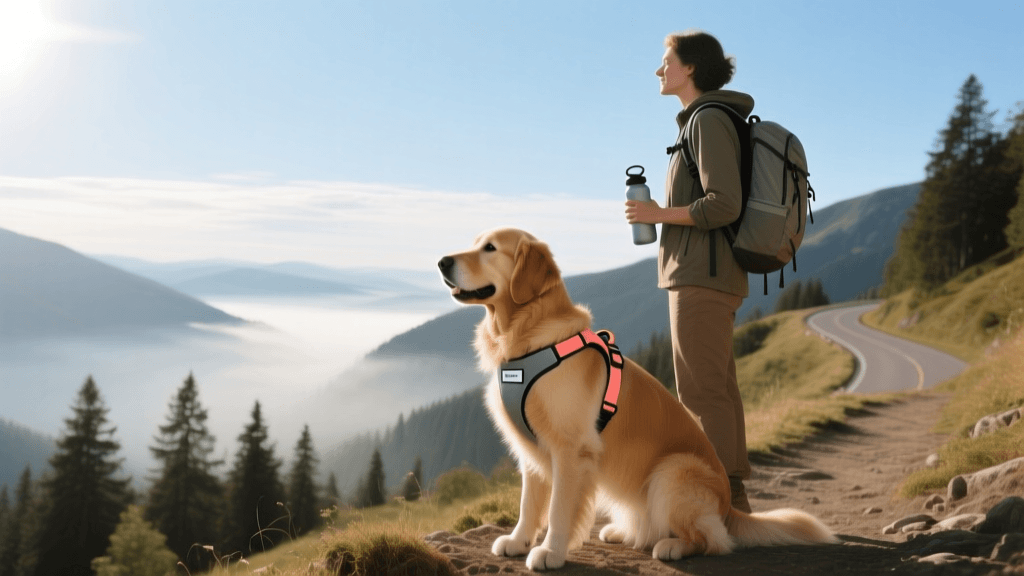
- Use a Crash-Tested Harness: Look for harnesses certified by the Center for Pet Safety. The Sleepypod Clickit Sport and the Kurgo Tru-Fit Smart Harness are excellent, rigorously tested options that distribute crash forces across the dog's chest and shoulders.
- Avoid Collar Attachments: Never attach a seatbelt tether to your dog's walking collar. Always use a harness with a wide, padded chest plate.
- Secure the Crate: If you prefer using a hard crate for road trips, it must be secured in the vehicle using heavy-duty tie-down straps. A loose crate will slide and tip during sharp turns or emergency braking.
- Cost Expectation: A certified crash-tested harness typically costs between $70 and $100—a small price to pay for your dog's life and the safety of your family.
Myth 4: Dogs Can Hold Their Bladder for an Entire 8-Hour Road Trip
The Myth: If a dog can hold their bladder at home while you are at work for 8 hours, they can easily do the same during an 8-hour car ride.
The Fact: While adult dogs physically can hold their bladder for extended periods, doing so in a moving vehicle is uncomfortable, stressful, and increases the risk of urinary tract infections (UTIs). Furthermore, the vibrations of the car and the excitement of travel can stimulate a dog's digestive and urinary systems, making them need to eliminate much more frequently than they would at home.
Actionable Advice for Road Trip Logistics:
- The 2-to-3 Hour Rule: Plan your route to include a 15-minute potty and stretching break every 2 to 3 hours. Use apps like BringFido to locate pet-friendly rest stops and parks along your route.
- Hydration Management: Dehydration is a major risk on the road. Bring a portable, spill-proof water bottle (like the Kurgo Bouncer) and offer small amounts of water at every stop. Avoid letting your dog gulp large amounts of water at once, as this can lead to bloating or carsickness.
- Feeding Schedule: To prevent motion sickness, avoid feeding your dog a large meal right before hitting the road. Offer a light meal 3 to 4 hours before departure, and save the main meal for when you have stopped for the night.
Myth 5: Any Soft Bag That Fits Under the Seat is Approved for Cabin Travel
The Myth: As long as a soft-sided pet carrier fits under the airplane seat in front of you, the airline will allow your dog to fly in the cabin.
The Fact: Airlines have very specific requirements for in-cabin pet carriers beyond just physical dimensions. While the maximum dimensions usually hover around 18 x 11 x 11 inches (depending on the aircraft type), the carrier must also feature adequate mesh ventilation on at least three sides, a waterproof bottom, and secure, locking zippers to prevent clever dogs from escaping mid-flight.
Actionable Advice for Cabin Travel:
- Check Aircraft Specifics: A carrier that fits under the seat on a Boeing 737 might not fit on a smaller regional jet. Always call the airline to confirm the exact under-seat dimensions for your specific flight number.
- Book Early: Airlines strictly limit the number of pets allowed in the cabin per flight (usually between 2 and 6). Book your pet's ticket at the exact same time you book your own to guarantee their spot.
- Cabin Fees: Expect to pay a non-refundable pet fee ranging from $95 to $200 each way, depending on the airline.
Air Travel vs. Road Trip: Preparation Comparison Chart
Planning requires different strategies depending on your mode of transport. Use this comparison chart to ensure you have covered all your bases.
| Preparation Factor | Air Travel (Cargo/Cabin) | Road Trip |
|---|---|---|
| Restraint | IATA-compliant hard kennel (cargo) or airline-approved soft carrier (cabin) | Crash-tested chest harness or securely strapped hard crate |
| Feeding Schedule | Light meal 4 hours before departure to prevent nausea | Regular meals, but avoid feeding 1 hour before driving to prevent carsickness |
| Bathroom Breaks | Airport pet relief areas pre-security and immediately post-flight | Every 2 to 3 hours at designated pet-friendly rest stops |
| Identification | Microchip, collar tags, and kennel labeling with live animal stickers and contact info | Collar tags and updated microchip registry with your mobile number |
| Documentation | Health certificate issued by a vet within 10 days of travel | Copy of rabies vaccination and basic medical records |
Final Thoughts on Safe Pet Travel
Traveling with your dog should be an enriching experience that strengthens the bond you share. By letting go of outdated myths and embracing factual, safety-first practices, you can eliminate much of the anxiety associated with pet travel. Whether you are buckling them into a crash-tested harness for a scenic drive or acclimating them to an IATA-approved crate for a cross-country flight, preparation is your greatest tool. Always consult with your veterinarian before embarking on a major trip, prioritize your dog's physical comfort, and remember that a well-prepared journey leads to a lifetime of happy memories together.
anouk-beaumont
All our authors care for dogs every day — read more of their work on the authors page.