Winter Dog Paw Care: Protecting Paws From Cold Weather
Learn essential winter dog paw care tips to protect your pup from ice, salt, and frostbite. Discover the best paw balms, booties, and safety rules.
The Hidden Dangers of Winter Walks
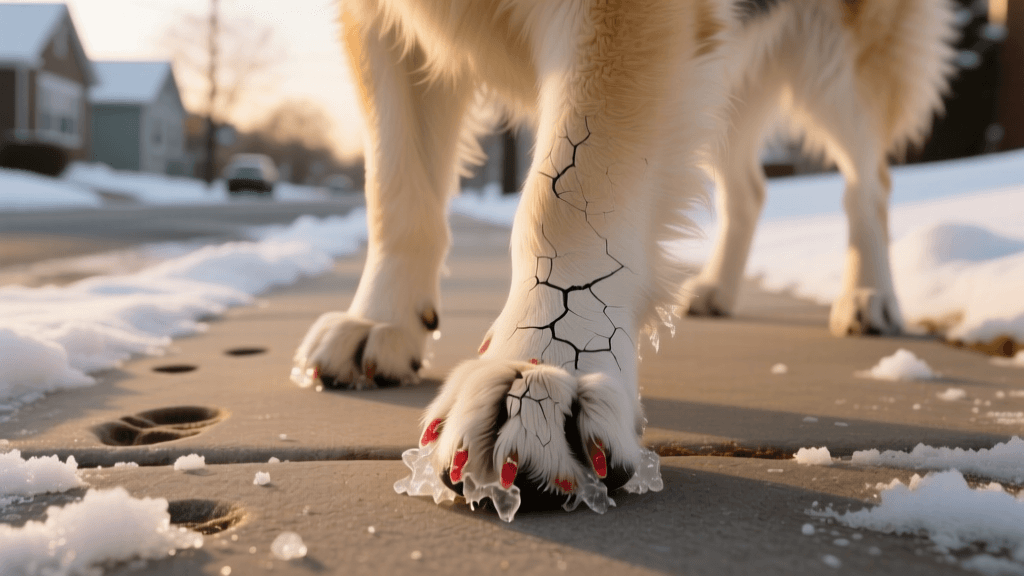
Winter brings a magical landscape of snow-covered parks and crisp, chilly air, making it an exciting season for outdoor adventures with your dog. However, beneath the picturesque surface lies a variety of hidden hazards that can severely impact your dog's paw health and overall well-being. The combination of freezing temperatures, abrasive ice, and toxic chemical de-icers creates a hostile environment for unprotected paw pads.
One of the most significant threats during winter walks is the widespread use of chemical ice melts. Many municipalities and homeowners use rock salt (sodium chloride), calcium chloride, or magnesium chloride to keep sidewalks clear. These chemicals are not only harsh and drying to your dog's sensitive paw pads, leading to painful cracking and bleeding, but they are also highly toxic if ingested. When your dog licks their paws after a walk, they can ingest these chemicals, leading to gastrointestinal distress, drooling, and in severe cases, neurological issues. Furthermore, snow and ice can clump between your dog's toes, forming hard, painful ice balls that stretch the skin and cause extreme discomfort.
Understanding Your Dog's Cold Tolerance
Not all dogs experience the cold in the same way. A dog's ability to withstand freezing temperatures depends heavily on their breed, coat type, body fat percentage, age, and overall health. According to the American Veterinary Medical Association (AVMA), cold tolerance varies significantly, and pet owners must tailor their outdoor routines to their specific dog's needs.
| Breed / Coat Type | Examples | Cold Tolerance Level | Max Safe Walk Time (at 20°F / -6°C) |
|---|---|---|---|
| Arctic / Thick Double Coat | Siberian Husky, Alaskan Malamute | High | 30 - 45 minutes |
| Medium / Long Coat | Golden Retriever, Collie | Moderate | 20 - 30 minutes |
| Short / Single Coat | Greyhound, Boxer, Pit Bull | Low | 10 - 15 minutes |
| Small / Toy Breeds | Chihuahua, Pomeranian | Very Low | 5 - 10 minutes |
| Seniors & Puppies | All Breeds | Very Low | 5 - 10 minutes |
Always monitor your dog for signs of cold stress, which include shivering, whining, slowing down, lifting paws off the ground alternately, or attempting to turn back toward the house.
Essential Winter Paw Care Routine
Protecting your dog's paws requires a proactive, three-step routine: preparation, protection, and post-walk care.
1. Pre-Walk Preparation
Before heading out, trim the fur between your dog's toe pads. Long hair acts as a magnet for snow and ice, accelerating the formation of painful ice balls. Use blunt-nosed grooming scissors or have a professional groomer do a 'paw trim' every four to six weeks during the winter months.
2. Paw Protection
Apply a high-quality paw wax before stepping outside. Products like Musher's Secret Paw Protection Natural Dog Paw Wax (typically costing around $18 for a 2oz tin) create a semi-permeable, breathable barrier against salt and ice. Massage a generous layer into the pads and between the toes about ten minutes before your walk to allow it to absorb slightly.
3. Post-Walk Cleanup
Never let your dog lick their paws immediately after coming inside. Keep a towel and a bowl of warm water by the door, or use pet-safe grooming wipes like Earthbath Grooming Wipes (approx. $12 for a 32-pack). Thoroughly wipe down every paw, paying special attention to the spaces between the toes to remove any residual salt, antifreeze, or chemical de-icers. Dry the paws completely to prevent fungal infections, and follow up with a soothing balm like Natural Dog Company Paw Soother to replenish lost moisture.
Booties vs. Balms: A Detailed Comparison
The American Kennel Club (AKC) highly recommends utilizing physical barriers for dogs walking in extreme conditions. Choosing between booties and balms depends on your dog's lifestyle, the severity of the weather, and your budget.
| Feature | Dog Booties (e.g., Ruffwear Grip Trex) | Paw Balms / Waxes (e.g., Musher's Secret) |
|---|---|---|
| Protection Level | Maximum (blocks ice, salt, and sharp debris entirely) | Moderate (repels moisture and reduces chemical contact) |
| Cost | $75 - $100 per set of four | $15 - $25 per tin (lasts a full season) |
| Application | Requires acclimation training and proper sizing | Quick and easy to rub on before walks |
| Traction | Excellent on ice due to Vibram rubber soles | Does not improve traction on smooth ice |
| Best For | Hiking, deep snow, heavily salted urban sidewalks | Quick potty breaks, mild winters, dogs that hate shoes |
How to Acclimate Your Dog to Booties
Most dogs will initially 'high-step' or freeze when wearing booties. To ensure success, introduce them gradually over a week. Start by leaving them on for just 30 seconds indoors while feeding high-value treats like boiled chicken or freeze-dried liver. Gradually increase the time to 5 minutes, then 15 minutes, before finally taking them on a short, engaging outdoor walk. Ensure the booties fit snugly around the ankle to prevent snow from sneaking in, but not so tight that they restrict circulation.
Recognizing and Treating Cold Weather Injuries
Despite your best efforts, accidents can happen. Frostbite and chemical burns are the two most common winter paw injuries. The ASPCA warns that frostbite most commonly affects the extremities, including the tips of the ears, tail, and paw pads.
Signs of Frostbite
- Color Changes: The paw pads may appear pale, gray, or bluish.
- Texture: The skin feels unusually cold, hard, or brittle to the touch.
- Pain: As the tissue thaws, the area will become red, swollen, and extremely painful, often causing the dog to limp or whine.
If you suspect frostbite, immediately move your dog to a warm environment. Gently soak the affected paws in warm (not hot) water around 100°F (38°C) for 20 minutes. Never rub or massage frostbitten tissue, as this can cause severe cellular damage and blistering. Wrap the paws in a clean, dry towel and contact your veterinarian immediately, as secondary infections are common.
Chemical Burns
If your dog steps in a concentrated puddle of liquid de-icer or antifreeze (ethylene glycol), it can cause immediate chemical burns. Antifreeze is notoriously sweet-tasting and highly lethal; even a few licks can cause acute kidney failure. If you suspect antifreeze ingestion, treat it as a medical emergency and rush your pet to the nearest open veterinary clinic.
Safe Alternatives for Home and Yard
You can drastically reduce the risks associated with winter walks by managing your own property safely. Avoid using traditional rock salt on your driveway and walkways. Instead, opt for pet-safe ice melts that utilize calcium magnesium acetate (CMA) or urea-based formulas. Brands like Safe Paw or Eco-Ice Melt (costing around $25 to $35 for a 20lb jug) are non-toxic and gentle on both concrete and paws, though they may work slightly slower in extreme sub-zero temperatures.
Indoor Winter Activities to Supplement Walks
On days when the temperature plummets below safe thresholds, or when a blizzard makes outdoor walks impossible, you must replace physical exercise with mental stimulation. A tired dog is a happy dog, and mental fatigue can be just as effective as physical exertion.
- Snuffle Mats ($20 - $35): Hide your dog's daily kibble ration inside a fleece snuffle mat. Foraging for food engages their natural scent-tracking instincts and can burn as much energy as a mile-long walk.
- Interactive Puzzle Toys: Toys like the KONG Classic ($15) or Outward Hound Dog Brick ($25) force your dog to problem-solve to retrieve treats, providing excellent cognitive enrichment.
- Indoor Agility: Set up a makeshift agility course using household items. Use chairs and blankets to create tunnels, and use a broomstick balanced on books for low-impact jumps.
By combining a rigorous paw care routine, appropriate protective gear, and smart indoor enrichment strategies, you can ensure your dog remains happy, healthy, and active all winter long. Always prioritize your dog's comfort over a rigid walking schedule, and remember that a few extra minutes spent cleaning and moisturizing their paws after a snowy outing will save you from costly veterinary visits down the road.
aaron-whyte
All our authors care for dogs every day — read more of their work on the authors page.