Training Senior Dogs: Cognitive Enrichment & Gentle Obedience
Discover how to train senior dogs with gentle obedience and cognitive enrichment. Keep your aging dog's mind sharp and body safe with our expert guide.
The Myth of the "Old Dog"
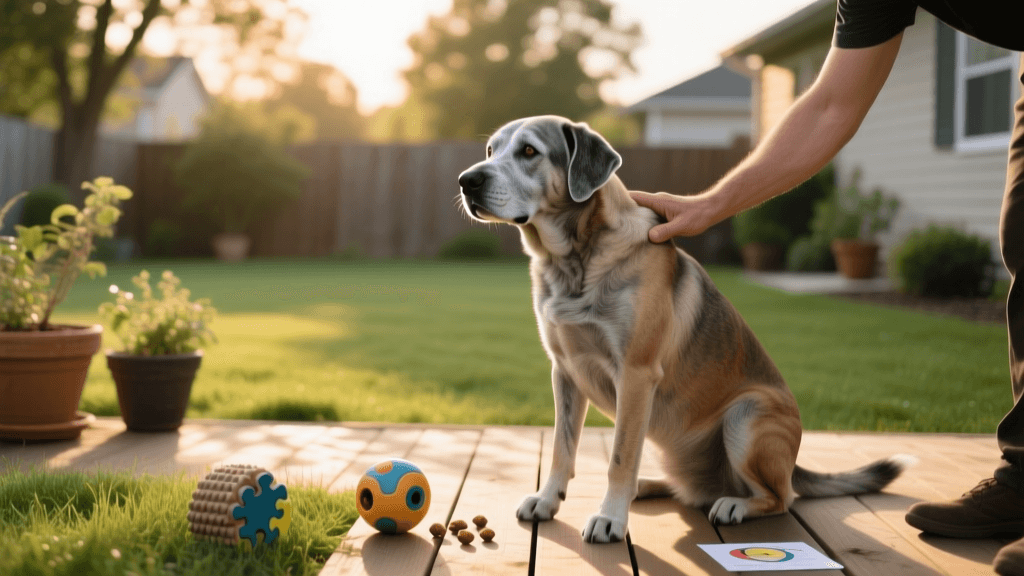
There is a pervasive, stubborn myth in the dog ownership world that senior dogs are incapable of learning. The old adage "you can't teach an old dog new tricks" is not only scientifically inaccurate, but it also does a massive disservice to our aging canine companions. As dogs enter their senior years—typically around age seven to ten, depending on the breed and size—their physical capabilities may slow down, but their need for mental stimulation, routine, and bonding remains as vital as ever.
In fact, training a senior dog is one of the most effective ways to preserve their cognitive function, manage age-related behavioral changes, and maintain a high quality of life. This life stage care guide focuses specifically on gentle obedience and cognitive enrichment tailored for the senior dog, ensuring their golden years are as engaging and joyful as their puppyhood.
Understanding Canine Cognitive Dysfunction (CCD)
Before diving into training techniques, it is crucial to understand the neurological changes that occur in aging dogs. Similar to Alzheimer's disease in humans, dogs can develop Canine Cognitive Dysfunction (CCD). According to the American Society for the Prevention of Cruelty to Animals (ASPCA), CCD is a condition related to brain aging that leads to changes in awareness, deficits in learning and memory, and decreased responsiveness to stimuli.
Symptoms of CCD include disorientation, altered interactions with family members, changes in sleep-wake cycles, house soiling, and a decrease in activity levels. While training cannot cure CCD, targeted cognitive enrichment can help build new neural pathways, slow the progression of cognitive decline, and provide a comforting, predictable routine that reduces anxiety in confused senior dogs.
Adapting Obedience for Aging Bodies
When training a senior dog, we must prioritize their physical comfort. Arthritis, hip dysplasia, degenerative myelopathy, and general joint stiffness are incredibly common in older dogs. Asking a dog with severe osteoarthritis to perform a rapid "sit-stand" repetition is not only painful, but it can also create a negative association with training.
1. Swap "Sit" for "Touch" or "Down"
If your dog struggles to lower their hindquarters due to joint pain, retire the "sit" command. Instead, teach a hand "touch" (where the dog simply boops their nose to your palm) or a "down" command, provided they have a supportive, orthopedic memory foam mat to lie on. A down position often distributes weight more evenly across the body than a seated position.
2. Transition to Hand Signals
Sensory decline is a natural part of aging. Many senior dogs experience partial or complete hearing loss, as well as the development of lenticular sclerosis (cloudy eyes) or cataracts. If your dog is losing their hearing, transition all verbal cues to distinct hand signals. Use high-contrast visual cues, such as a brightly colored target stick or a clear, exaggerated hand motion, to guide them through basic obedience routines.
Top 5 Low-Impact Cognitive Enrichment Games
Mental fatigue is just as effective as physical exercise when it comes to tiring out a dog and keeping them fulfilled. Here are five low-impact games designed specifically for senior dogs:
- 1. Scent Work and Tracking: A dog's sense of smell remains remarkably intact even as other senses fade. Hide high-value, soft treats (like freeze-dried liver or small pieces of low-sodium cheese) around a single room. Encourage your dog to "find it." This engages their natural foraging instincts and requires zero jumping or running.
- 2. The Muffin Tin Puzzle: Place treats in the cups of a standard muffin tin and cover each cup with a tennis ball or a dog-safe toy. Your dog must use their nose and paws to remove the obstacles to access the rewards. This builds problem-solving skills without physical strain.
- 3. Gentle Targeting: Teach your dog to touch a specific object, like a brightly colored yoga ball or a wall-mounted target pad, with their nose. This is excellent for encouraging gentle stretching and mobility without forcing them into uncomfortable positions.
- 4. Name Recognition Games: Place two of their favorite soft toys on the ground. Ask them to "get [Toy Name]." Reward them heavily for choosing the correct item. This reinforces memory recall and strengthens your verbal bond.
- 5. Snuffle Mat Foraging: A snuffle mat mimics the act of grazing in tall grass. Scatter their daily kibble allowance across the mat and let them sniff out every piece. A 15-minute snuffle session can provide the same mental exhaustion as a one-mile walk.
Standard vs. Senior Dog Training Adjustments
Transitioning from adult dog training to senior dog care requires a shift in expectations and methodology. The following table outlines the key differences you should implement in your training sessions.
| Training Variable | Adult Dog Approach | Senior Dog Approach |
|---|---|---|
| Session Duration | 15 to 30 minutes | 3 to 5 minutes (frequent, micro-sessions) |
| Physical Commands | Sit, stand, jump, heel at pace | Touch, down on mat, slow loose-leash wander |
| Reward Type | Standard kibble, crunchy treats | Soft, easily chewable treats, lickable pastes |
| Environment | Varied (parks, streets, trails) | Climate-controlled, non-slip flooring, quiet |
| Pacing | Brisk, encouraging drive | Slow, patient, allowing time for processing |
Recommended Tools and Products for Senior Enrichment
Investing in the right tools can make training a senior dog significantly more accessible and enjoyable. The American Kennel Club (AKC) frequently recommends puzzle toys and environmental modifications to support aging canine brains. Here are specific product recommendations:
- Nina Ottosson Dog Brick Interactive Puzzle (Approx. $30): This intermediate-level puzzle features sliding blocks and removable bones. It requires cognitive effort rather than physical force, making it ideal for senior dogs with weakened jaw strength or arthritis.
- KONG Senior Dog Toy (Approx. $15): Made from a softer, gentler rubber formula designed specifically for aging teeth and gums. Stuff it with canned pumpkin, plain yogurt, and a dash of low-sodium chicken broth, then freeze it for a soothing, long-lasting enrichment activity.
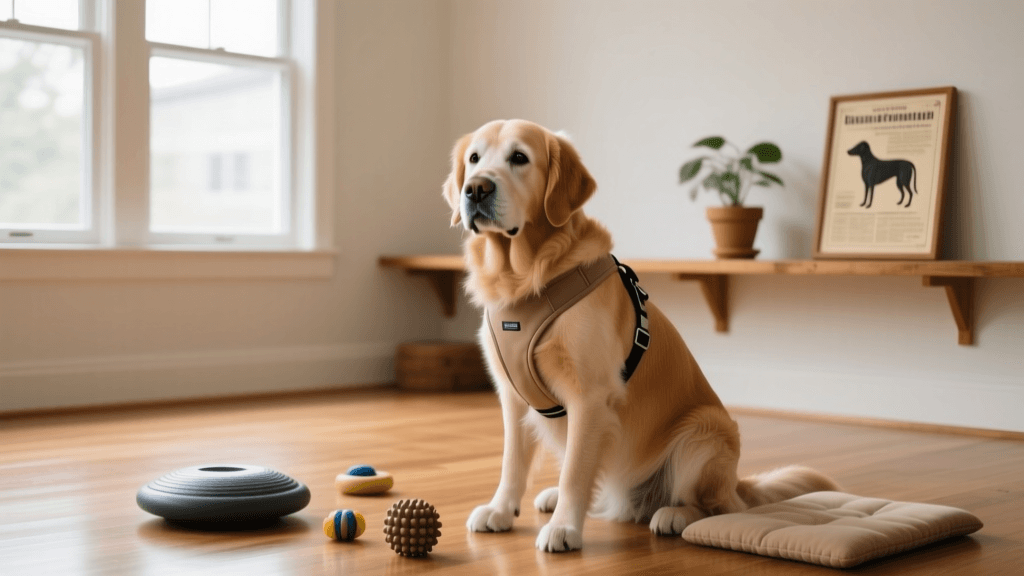
- Orthopedic Memory Foam Training Mat (Approx. $45 - $80): Never ask a senior dog to perform a "down" or "settle" on a hard floor or slippery rug. A dedicated, non-slip orthopedic mat gives them the confidence to lie down without fear of joint pain or struggling to stand back up.
- Snuffle Mat (Approx. $20 - $35): Look for mats with dense, machine-washable felt strips. This is an essential daily tool for mealtime enrichment, slowing down fast eaters and providing crucial olfactory stimulation.
Creating a Weekly Training Schedule
Consistency is the bedrock of cognitive health. The Humane Society of the United States emphasizes that maintaining a predictable routine helps reduce confusion and anxiety in older pets. Here is a sample weekly schedule designed to balance mental stimulation with ample rest:
- Monday & Wednesday: Morning Scent Work (5 minutes). Hide 10 pieces of soft treats in the living room. Follow with a 15-minute slow-paced sniffari walk on a long line in a quiet, flat grassy area.
- Tuesday & Thursday: Afternoon Puzzle Toy Session (10 minutes). Use the Nina Ottosson Dog Brick or a frozen KONG Senior while you work or read nearby. This provides independent mental enrichment.
- Friday: Gentle Obedience Review (3 minutes). Practice hand signals for "touch," "down" on their orthopedic mat, and "look at me." Use high-value rewards like boiled chicken breast.
- Saturday: Name Recognition Game (5 minutes). Work on identifying specific toys by name. Keep the tone light, cheerful, and heavily rewarding.
- Sunday: Rest and Bonding. Focus on gentle massage, brushing, and quiet companionship. Mental rest is just as important as mental exercise.
"Training a senior dog is less about achieving perfect obedience and more about preserving their dignity, confidence, and joy. Every successful puzzle solved or hand signal followed is a victory for their aging brain."
Conclusion
Your senior dog has spent a lifetime learning your routines, your moods, and your commands. Now, it is your turn to adapt to their changing needs. By shifting your focus from rigorous physical obedience to gentle cognitive enrichment, you can protect your dog's mental acuity and provide them with a profound sense of purpose. Remember to consult with your veterinarian before starting any new training or enrichment routine, especially if your dog has a history of severe arthritis or neurological issues. With patience, the right tools, and a compassionate approach, you can ensure your senior dog's final chapters are filled with engagement, comfort, and love.
tom-renshaw
All our authors care for dogs every day — read more of their work on the authors page.