Senior Dog Training: Mobility Adaptations and Enrichment
Learn how to adapt training for your senior dog. Discover low-impact tricks, cognitive enrichment, and mobility-friendly obedience techniques.
Embracing the Golden Years: Why Senior Dogs Still Need Training
As your dog transitions into their senior years—typically around age seven for medium and large breeds, or slightly later for smaller breeds—their physical and cognitive needs begin to shift. Many owners mistakenly believe that training is only for puppies or that older dogs are incapable of learning. The truth is that mental stimulation remains a critical component of your senior dog's overall health and longevity. According to the ASPCA, keeping an aging dog mentally engaged can help delay the onset of cognitive decline and improve their overall quality of life.
Training a senior dog is not about rigorous obedience drills or high-impact agility courses. Instead, it is about adapting your approach to accommodate mobility issues, sensory decline, and changing energy levels. This life stage care guide will walk you through practical, actionable strategies to modify obedience training, introduce low-impact tricks, and implement cognitive enrichment tailored specifically for your aging companion.
Adapting Obedience for Mobility Issues and Arthritis
Osteoarthritis and joint stiffness are incredibly common in senior dogs. Asking an arthritic dog to perform repetitive 'sits' or 'downs' on a hard surface can cause pain and lead to a refusal to obey, which is often misinterpreted as stubbornness. To continue training effectively, you must modify the environment and the commands.
Environmental Modifications
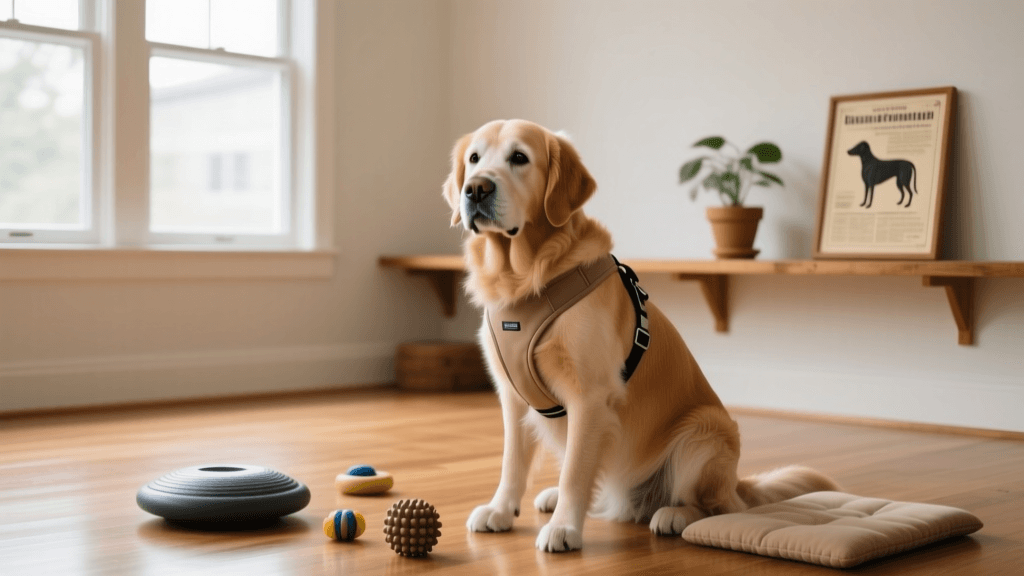
- Orthopedic Bedding: Invest in a high-density memory foam orthopedic bed (at least 4 inches thick) for training 'place' or 'settle' commands. This provides necessary joint support.
- Non-Slip Surfaces: Aging dogs lose traction easily. Place interlocking foam puzzle mats or non-slip area rugs in your primary training zones to prevent slipping and build confidence.
- Ramps and Steps: If your dog is still permitted on furniture or in vehicles, use a ramp with a gentle incline (ideally an 18-to-1 ratio) or foam-stuffed pet steps to eliminate the need for jumping.
Modifying Core Commands
If your dog struggles with the traditional 'sit' or 'down', do not force the issue. Instead, train alternative behaviors that are easier on the joints. A 'stand-stay' is an excellent replacement for a sit-stay during grooming or veterinary exams. To teach this, lure your dog into a standing position with a high-value treat (like soft, easily chewable training treats), mark the behavior with a clicker or a 'yes', and reward. For the 'down' command, allow your dog to lie down on a thick, supportive mat rather than the bare floor, and reward the 'sphinx' position (lying with paws tucked) rather than a 'side-sit' sprawl, which can strain the hips.
Low-Impact Tricks for Aging Joints
Trick training is a fantastic way to bond with your senior dog while keeping their brain sharp without stressing their body. Here are two highly effective, low-impact tricks you can teach at home.
1. Target Training (The 'Touch' Command)
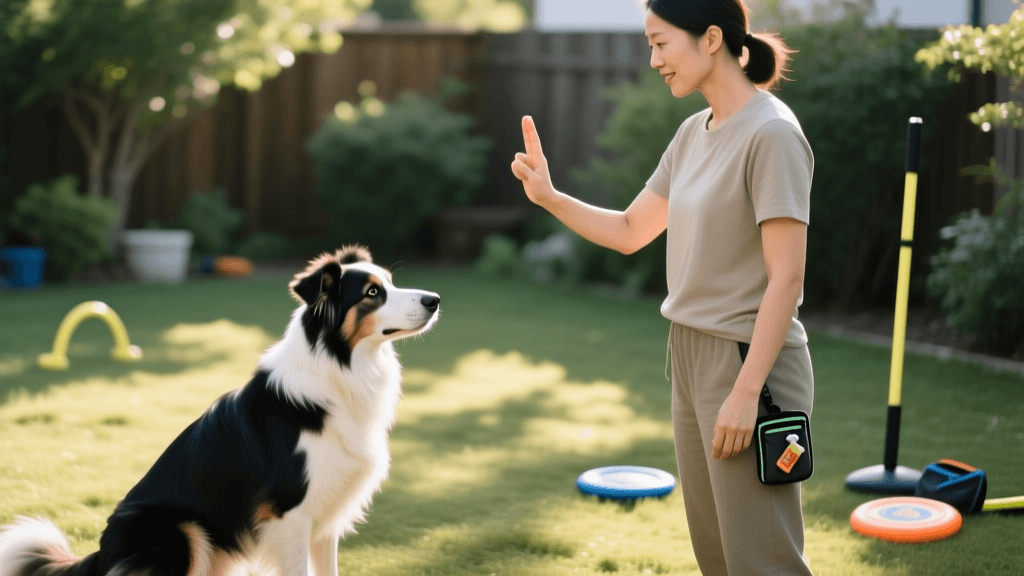
Targeting teaches your dog to touch a specific object with their nose. This is invaluable for guiding a dog with failing eyesight or limited mobility without needing to pull on a leash.
- Step 1: Present your open palm about two inches from your dog's nose. Most dogs will naturally sniff it.
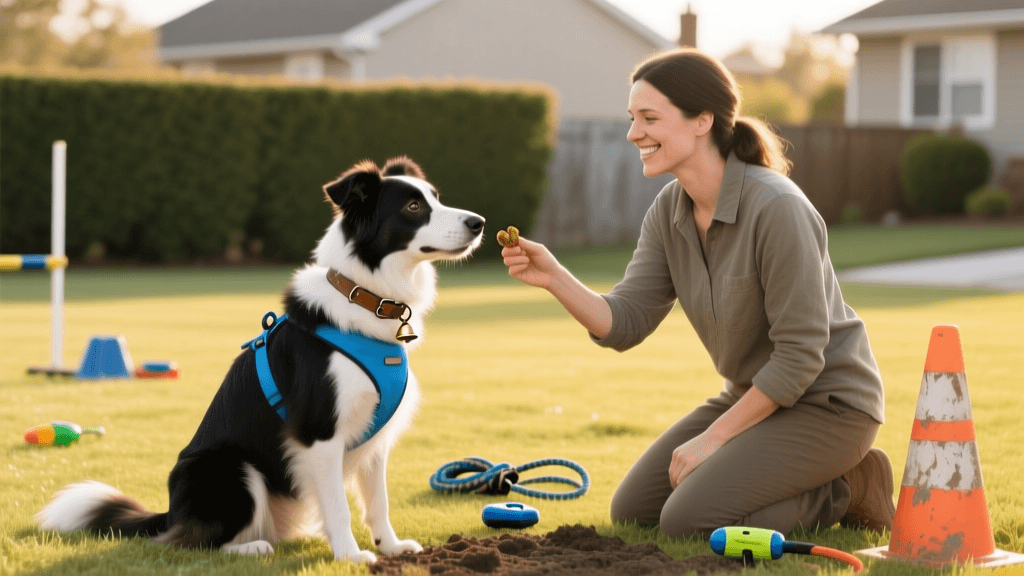
- Step 2: The moment their nose makes contact, mark the behavior with a 'yes' and give a treat from your other hand.
- Step 3: Gradually increase the distance, requiring your dog to take a step forward to touch your hand.
- Step 4: Transition to a target stick or a small, brightly colored lid taped to the wall to guide them into cars, onto scales, or around obstacles.
2. Scent Work and Nose Games
A dog's sense of smell remains sharp even as their vision and hearing fade. The American Kennel Club (AKC) heavily promotes scent work as an inclusive sport that any dog, regardless of age or physical limitation, can enjoy. Scent work provides immense mental fatigue, often tiring a senior dog out more effectively than a short walk.
- The Muffin Tin Game: Place a few smelly treats in the cups of a muffin tin, then cover the cups with tennis balls. Encourage your dog to use their nose and paws to dislodge the balls and find the treats.
- Box Searches: Set up a grid of 6 to 10 identical cardboard boxes in a room. Place a high-value treat or a favored toy in one box while your dog is in another room. Release them and encourage them to 'find it'. This builds confidence and relies entirely on olfactory processing.
Cognitive Enrichment and Puzzle Toys
Physical exercise must decrease as a dog ages, but mental exercise should increase to compensate. Puzzle toys force dogs to problem-solve, which stimulates neural pathways and helps stave off boredom and anxiety. When selecting toys for senior dogs, consider their dental health; opt for softer materials if they have missing teeth or gum disease.
| Enrichment Tool | Best For | Estimated Cost | Difficulty Level |
|---|---|---|---|
| KONG Senior (Purple) | Dogs with sensitive teeth; chewing enrichment | $10 - $15 | Beginner to Intermediate |
| Felt Snuffle Mat | Slow feeding; foraging instinct stimulation | $15 - $30 | Beginner |
| Outward Hound Hide-A-Squirrel | Interactive play; gentle tug and fetch | $12 - $20 | Intermediate |
| Lick Mat (Silicone) | Anxiety reduction; soothing repetitive action | $8 - $15 | Beginner |
Pro Tip: To make a KONG or Lick Mat more appealing and easier for a senior dog to consume, fill it with a mixture of plain pumpkin puree, low-sodium chicken broth, and a spoonful of plain Greek yogurt, then freeze it. The cold temperature is also soothing for inflamed gums.
Managing Canine Cognitive Dysfunction (CDS)
As dogs age, they may develop Canine Cognitive Dysfunction (CDS), a condition similar to Alzheimer's disease in humans. The Cummings Veterinary Medical Center at Tufts University identifies CDS through the DISHAA acronym: Disorientation, Interactions (changes in), Sleep-wake cycle changes, House soiling, Activity level changes, and Anxiety. If you notice your dog staring at walls, getting stuck in corners, or forgetting previously learned obedience commands, consult your veterinarian immediately.
Training Adjustments for CDS
If your dog is showing early signs of cognitive decline, training must shift from 'learning new skills' to 'maintaining existing routines'. Keep training sessions incredibly short—no more than 3 to 5 minutes at a time. Use high-value, aromatic treats (like freeze-dried liver or stinky fish) to cut through sensory dullness. Maintain a strict daily routine for feeding, potty breaks, and training to reduce anxiety. Furthermore, discuss brain-supporting supplements with your vet; diets rich in Omega-3 fatty acids (EPA and DHA) and Medium Chain Triglycerides (MCT oil) have been shown to support aging canine brain metabolism.
Conclusion: Patience and Compassion
Training a senior dog is ultimately an exercise in empathy and adaptation. By modifying your expectations, accommodating their physical limitations, and prioritizing mental enrichment over physical exertion, you can ensure your dog's golden years are truly golden. Remember that the goal of training at this life stage is not perfection, but rather maintaining a deep, communicative bond that keeps your dog feeling secure, valued, and engaged in the world around them.
priya-sutaria
All our authors care for dogs every day — read more of their work on the authors page.