Training Senior Dogs: Adapting Techniques for Aging Pets
Learn how to adapt obedience training for senior dogs. Discover gentle techniques, joint-friendly tricks, and life stage care tips for aging pets.
The Myth of the Untrainable Senior Dog
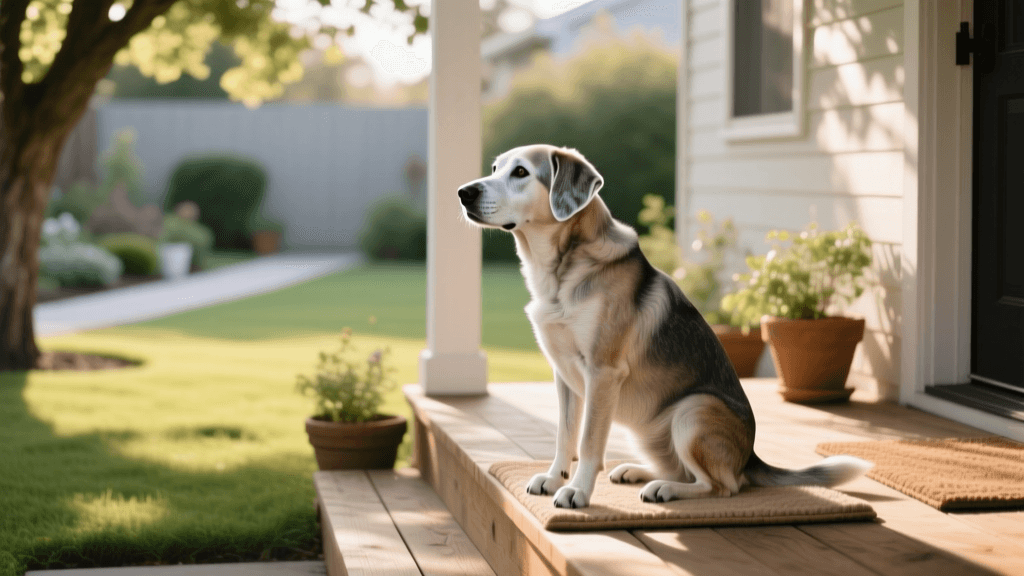
There is a pervasive myth in the dog ownership community that you cannot teach an old dog new tricks. As a core component of comprehensive life stage care guides, we must dismantle this misconception immediately. Senior dogs, typically defined as those aged seven and older depending on the breed, possess a wealth of life experience and an enduring capacity to learn. In fact, engaging your aging dog in structured training is one of the most effective ways to maintain their cognitive health, delay the onset of canine cognitive dysfunction (CCD), and strengthen the bond you share during their golden years.
However, training a senior dog requires a fundamental shift in perspective. You are no longer molding a blank slate; you are working with a mature companion who may have ingrained habits, physical limitations, and sensory changes. Adapting your training techniques to accommodate these life stage changes is crucial for ensuring that learning remains a joyful, stress-free experience rather than a source of frustration.
Understanding Life Stage Changes in Senior Dogs
Before introducing new commands or refreshing old ones, it is vital to understand the physiological and psychological shifts occurring in your aging pet. According to the AAHA Canine Life Stage Guidelines, senior and geriatric dogs experience predictable declines in mobility, sensory acuity, and metabolic rate. Osteoarthritis, for instance, affects a vast majority of senior dogs, making high-impact tricks like jumping, rolling over, or sitting up on their hind legs painful and potentially injurious.
Sensory loss is another critical factor. A dog that previously responded flawlessly to verbal cues may now be experiencing age-related hearing loss, requiring a transition to hand signals. Similarly, vision impairment, such as nuclear sclerosis or cataracts, means your dog might not see a treat tossed from a distance. The American Kennel Club emphasizes that adapting to these sensory deficits through environmental modifications and alternative communication methods is a cornerstone of senior dog care. Patience, shorter sessions, and veterinary clearance are your first steps before beginning any new training regimen.
Puppy vs. Senior Dog Training: A Life Stage Comparison
To illustrate how training must evolve as your dog ages, review the comparison chart below. This table highlights the necessary adjustments in session structure, physical demands, and primary objectives across different life stages.
| Training Parameter | Puppy (8 weeks - 1 year) | Adult (1 - 7 years) | Senior (7+ years) |
|---|---|---|---|
| Session Length | 5 to 10 minutes | 15 to 30 minutes | 3 to 5 minutes |
| Physical Demands | Low (focus on coordination) | Moderate to High | Very Low (joint-friendly) |
| Primary Goal | Socialization & basic manners | Reliability & complex tricks | Cognitive enrichment & bonding |
| Reward Type | High-value, frequent | Variable reinforcement | Low-calorie, high-aroma |
Essential Gear for Senior Dog Training
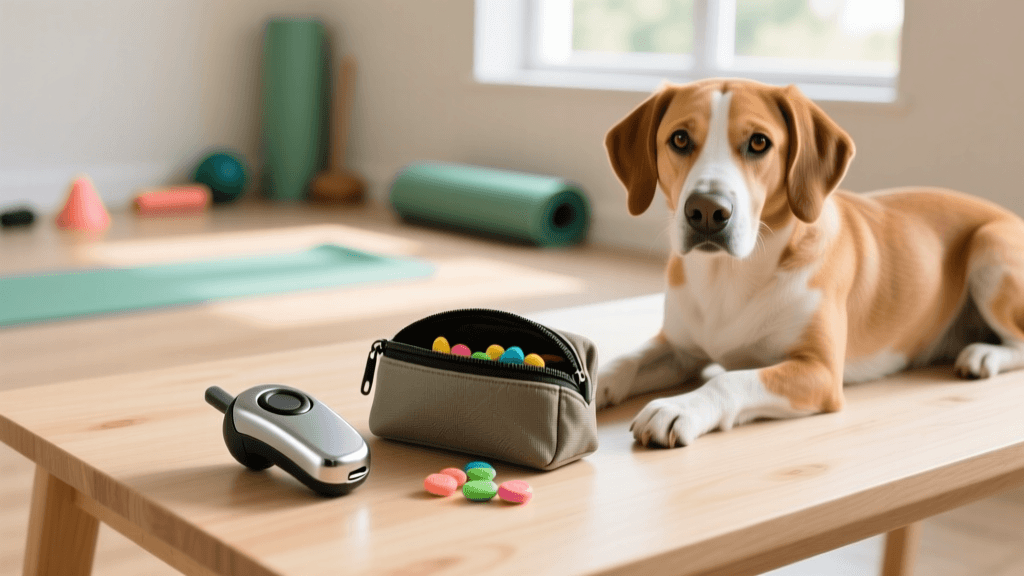
Investing in the right equipment can mitigate physical strain and set your senior dog up for success. Here are specific, actionable product recommendations tailored for the aging canine body:
- Non-Slip Surface Mats: Slipping on hardwood floors can cause severe anxiety and joint strain for dogs with hip dysplasia or arthritis. Invest in interlocking foam yoga mats or specialized dog traction rugs (costing between $30 and $60) to create a designated, slip-free training zone.
- Orthopedic Training Beds: For 'Place' or 'Settle' commands, avoid flat, unsupportive mats. Use an orthopedic memory foam bed, such as the Furhaven Orthopedic Dog Bed ($35 to $55), which provides necessary joint relief while they hold a stationary command.
- Snuffle Mats and LickiMats: Mental stimulation is just as tiring as physical exercise. A silicone LickiMat ($10 to $15) spread with dog-safe peanut butter or plain yogurt and frozen provides excellent soothing enrichment, while a fabric Snuffle Mat ($20 to $30) encourages natural foraging behaviors without requiring mobility.
- Target Sticks: If your dog has a stiff neck or you want to avoid bending over repeatedly, a retractable target stick with a ball on the end ($12 to $18) helps guide their nose and body into position without physical strain.
Top 3 Low-Impact Training Exercises for Aging Dogs
When selecting behaviors to teach or reinforce, prioritize exercises that engage the brain while sparing the joints. Here are three highly effective, low-impact training techniques.
1. Nosework and Scent Detection
A dog's olfactory system remains sharp well into their senior years, and scent work is an incredible cognitive workout. Begin by taking three identical cardboard boxes or plastic cups. Place a highly aromatic treat, such as a piece of freeze-dried beef liver, under one cup while your dog watches. Give the cue 'Find it.' As they get the hang of it, increase the difficulty by hiding the treat under a cup while they are in a 'Stay' in another room, or by rubbing the treat on the wrong cups to create decoy scents. A 10-minute scent work session can provide the same mental fatigue as a one-mile walk, making it ideal for dogs with limited mobility.
2. Hand Targeting (The 'Touch' Command)
Hand targeting teaches your dog to touch their nose to the palm of your hand. This is incredibly useful for senior dogs as it allows you to guide them onto a scale at the vet, into a car, or away from a hazard without needing to pull their leash or collar, which can aggravate tracheal or spinal issues.
How to train it: Hold your open palm about two inches from your dog's nose. The moment they lean forward to sniff it, mark the behavior with a gentle 'Yes' or a soft clicker, and reward. Gradually increase the distance and move your hand to different locations. Keep your hand low to the ground to prevent them from rearing up or straining their cervical spine.
3. Mat Training (The 'Place' Command)
Teaching a senior dog to go to their orthopedic bed on cue provides them with a safe, comfortable haven when guests arrive or when the household gets chaotic.
How to train it: Toss a treat onto their bed. When all four paws step onto the mat, mark and reward. Introduce the verbal cue 'Place' right before they step on. Over time, shape the behavior to include a 'Down' on the mat. Because senior dogs may struggle to stand back up quickly, release them gently with a calm 'Okay' and toss a treat a short distance away to encourage them to rise at their own pace.
Adjusting Rewards for Slower Metabolisms
One of the most common mistakes owners make when training senior dogs is continuing to use the same high-calorie treats they used during puppyhood. Senior dogs have slower metabolisms and are highly prone to obesity, which exacerbates joint pain and cardiovascular strain.
According to the ASPCA, managing weight and diet is a primary behavioral and health intervention for older dogs. To keep your training sessions effective without packing on the pounds, utilize low-calorie, high-value rewards. Zuke's Mini Naturals (under 3 calories per treat) are an excellent commercial option. Alternatively, use your dog's daily kibble allotment for training, or prepare single-ingredient treats like boiled chicken breast cut into precise 1/4-inch cubes. Always factor training treats into their total daily caloric intake, reducing their standard meal size accordingly.
Final Thoughts on Senior Life Stage Care
Training your senior dog is not about achieving perfect obedience or winning agility competitions; it is about enriching their daily life, preserving their cognitive function, and communicating with them in a way that respects their physical limitations. By shortening your sessions to just 3 to 5 minutes, utilizing non-slip surfaces, focusing on scent and targeting work, and carefully managing their caloric intake, you ensure that your aging companion remains engaged and happy. Embrace this life stage with patience and empathy, and you will find that your senior dog is just as eager to learn and connect with you as they were on the day you first brought them home.
beth-carrasco
All our authors care for dogs every day — read more of their work on the authors page.