Top Dog Training Clickers And Treat Pouches Buyer Guide
Discover the best dog training clickers and treat pouches. Our buyer's guide reviews top gear for positive reinforcement and recall training.
The Science of Marker Training and Positive Reinforcement
When it comes to modern, science-based dog training, the tools you use are just as important as the techniques you apply. According to the American Veterinary Society of Animal Behavior (AVSAB), reward-based training methods are not only the most effective but also the safest for your dog's behavioral and emotional well-being. At the heart of reward-based training lies marker training—often called clicker training—and having the right gear can mean the difference between a frustrating session and a massive breakthrough.
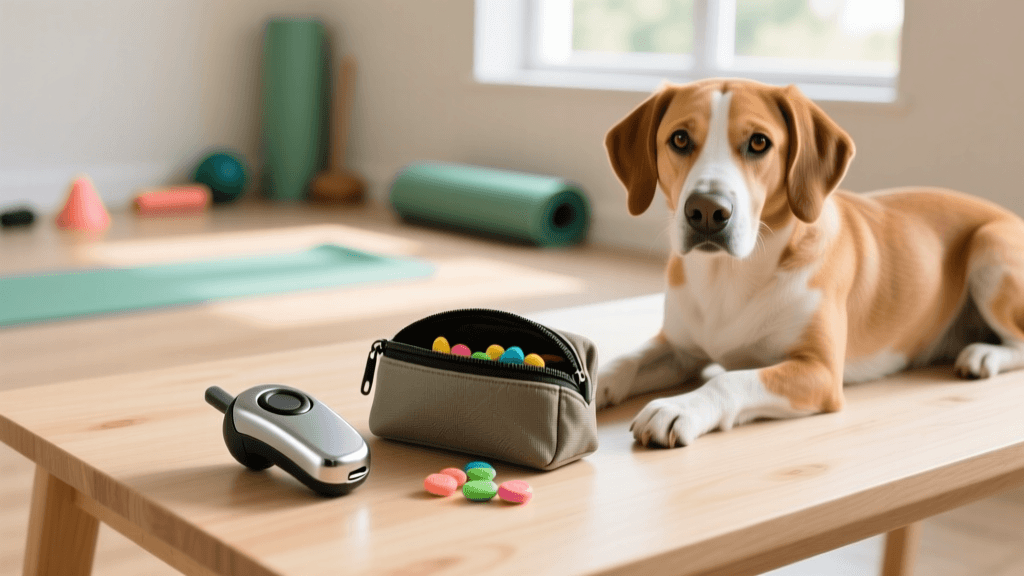
Marker training relies on operant conditioning. A distinct sound (the click) tells the dog exactly which behavior earned the reward. As outlined by the pioneers at Karen Pryor Clicker Training, the clicker acts as a 'bridge' between the behavior and the reward, eliminating the ambiguity of verbal praise. However, a clicker is only as good as your ability to deliver the reward swiftly. This is where a high-quality treat pouch becomes an indispensable piece of equipment.
In this comprehensive buyer's guide, we review the best dog training clickers and treat pouches on the market, providing actionable advice on how to use them to shape your dog's behavior effectively.
Top 3 Dog Training Clickers Reviewed
Not all clickers are created equal. The ideal clicker should produce a crisp, consistent sound that cuts through environmental noise without startling your dog. Here are our top picks for every type of trainer.
1. Karen Pryor Original Clicker
Best For: Beginners and classic marker training.
Estimated Cost: $5 - $8
Features: The gold standard of clicker training. It features a raised metal button that produces a sharp, clear 'click-clack' sound. The hard plastic casing is durable and fits easily in the palm of your hand.
- Pros: Inexpensive, extremely durable, and produces a consistent acoustic signature that dogs easily recognize.
- Cons: Can be too loud for highly sensitive or fearful dogs. Requires two hands if you aren't using a wrist strap.
2. PetSafe Clik-R Ergonomic Clicker
Best For: Trainers who need hands-free operation or have mobility issues.
Estimated Cost: $8 - $12
Features: Designed with an ergonomic finger loop, the Clik-R allows you to keep the clicker securely in your palm while holding a leash or handling treats. The sound is slightly softer and more muted than traditional box clickers.
- Pros: Excellent ergonomic design, softer click for noise-sensitive dogs, easy to conceal in the palm.
- Cons: The plastic finger loop can feel rigid during long, multi-hour training sessions.
3. Starmark Pro-Training Clicker
Best For: Outdoor training and high-distraction environments.
Estimated Cost: $10 - $15
Features: This clicker features a dual-sound mechanism and a built-in wrist strap. It is slightly larger, making it easy to grip even in cold weather or while wearing gloves.
- Pros: Wrist strap prevents drops, loud enough for outdoor recall training, comfortable grip.
- Cons: Bulkier than standard clickers, which might be annoying for trainers who prefer minimalist gear.
Top 3 Treat Pouches for Reward Delivery
The RSPCA Dog Training Guidelines emphasize that timing is everything in positive reinforcement. If it takes you five seconds to dig a treat out of a zipped pocket, the dog will not associate the reward with the behavior. A dedicated treat pouch solves this problem. Here are the best options for fast, clean reward delivery.
1. Ruffwear Treat Trader
Best For: Professional trainers and serious hobbyists.
Estimated Cost: $35 - $40
Features: The Treat Trader features a brilliant magnetic closure that snaps shut automatically when you release the flap, preventing dogs from snacking when you aren't looking. It includes a removable belt clip and a shoulder strap.
- Pros: Hands-free magnetic closure, multiple wearing options, water-resistant exterior, and an interior liner that pulls out for easy washing.
- Cons: Premium price point compared to basic pouches.
2. Dog Gone Smart Silicone Treat Pouch
Best For: High-value, messy treats (like raw meat, peanut butter, or cheese).
Estimated Cost: $15 - $20
Features: Made entirely of food-grade silicone, this pouch can be turned inside out and thrown in the dishwasher. It features a simple squeeze-frame opening that stays open while you train and snaps shut when squeezed.
- Pros: Unmatched ease of cleaning, odor-resistant, perfect for messy or smelly high-value rewards.
- Cons: Heavier than fabric pouches and lacks exterior pockets for holding keys or waste bags.
3. Kurgo Go-Treats Training Pouch
Best For: Budget-conscious trainers and casual walks.
Estimated Cost: $12 - $15
Features: A straightforward, lightweight fabric pouch with a drawstring closure and a sturdy carabiner clip. It includes a mesh side pocket for storing a clicker or waste bags.
- Pros: Affordable, lightweight, versatile carabiner attachment, and includes extra storage.
- Cons: Drawstring closure is slower than magnetic or snap-frame options, which can hinder rapid-fire reward delivery.
Comparison Chart: Best Training Gear
| Product Name | Type | Best Use Case | Est. Price | Closure / Mechanism |
|---|---|---|---|---|
| Karen Pryor Original | Clicker | Beginners / Indoor | $5 - $8 | Metal Button |
| PetSafe Clik-R | Clicker | Sensitive Dogs / Ergonomic | $8 - $12 | Finger Loop Button |
| Starmark Pro-Training | Clicker | Outdoor / High Distraction | $10 - $15 | Dual-Sound Button |
| Ruffwear Treat Trader | Pouch | Pro Trainers / Fast Delivery | $35 - $40 | Magnetic Flap |
| Dog Gone Smart Silicone | Pouch | Messy / High-Value Treats | $15 - $20 | Squeeze-Frame |
| Kurgo Go-Treats | Pouch | Budget / Casual Walks | $12 - $15 | Drawstring |
Actionable Advice: Timing, Delivery, and Technique
Buying the best gear is only the first step. To maximize your training sessions, you must master the mechanics of marker training and reward delivery.
The 'One-Second' Bridge Rule
The clicker is an event marker, not a remote control. You must click while the behavior is happening, not after. For example, if you are training a 'sit', click the exact millisecond your dog's hindquarters touch the floor. The treat delivery should follow within one to two seconds. If your treat pouch is buried under a jacket or zipped shut, you will miss this critical window, and the dog will fail to associate the click with the sit.
Reward Placement and Engagement
Where you deliver the treat matters as much as when you deliver it. If you are training a solid 'recall', deliver the treat right in front of your body to encourage the dog to come all the way to you. If you are training a 'place' or 'mat' command, deliver the treat directly onto the mat to reinforce staying in that specific location. A wide-mouth pouch like the Ruffwear Treat Trader allows you to grab and deliver treats with precision, keeping the dog's focus exactly where you want it.
Fading the Lure and the Marker
Many novice trainers make the mistake of using the treat in their hand as a lure for too long, which results in a dog that only obeys when food is visible. Use your treat pouch to keep the food out of sight. Keep your hand empty, give the verbal cue, click the behavior, and then reach into your pouch to deliver the reward. Furthermore, once a behavior is fully learned and reliable, you should begin to fade the clicker, transitioning to intermittent reinforcement (rewarding only the fastest or best responses) while using life rewards, like opening the door for a walk, instead of food.
Common Mistakes to Avoid
Even with the best gear, trainers often fall into a few common traps:
- Clicking without treating: The clicker is a promise of a reward. If you click by accident, you must still give the dog a treat, or the marker will lose its psychological value.
- Using the clicker to get attention: Never click to call your dog or get them to look at you. The click marks a completed behavior; it does not initiate one.
- Overfilling the pouch: Stuffing your pouch with hundreds of treats can make it bulky and difficult to extract single pieces quickly. Load your pouch with 15-20 pea-sized treats at a time, and reload during breaks.
Final Thoughts
Investing in a high-quality clicker and a purpose-built treat pouch will drastically improve your communication with your dog. Whether you opt for the classic Karen Pryor clicker and a magnetic Ruffwear pouch, or a budget-friendly Kurgo setup, the key to success lies in your timing, consistency, and understanding of positive reinforcement. Equip yourself with the right tools, respect the science of animal behavior, and watch your dog thrive.
hannah-wickes
All our authors care for dogs every day — read more of their work on the authors page.