Training Rescue Dogs: The 3-3-3 Rule and Decompression Guide
Learn how to train and decompress your newly adopted rescue dog using the 3-3-3 rule, practical routines, and positive reinforcement techniques.

The Journey Home: Understanding Rescue Dog Decompression
Adopting a rescue dog is one of the most rewarding experiences a person can have, but the transition from a shelter kennel to a living room is rarely seamless. Every adoption story is unique, yet almost all share a common initial chapter: decompression. When we talk about adoption and rescue stories, we often highlight the happy endings. However, the bridge between the shelter and the happy ending is built on patience, structured routines, and trauma-informed training.
Consider the story of Barnaby, a four-year-old hound mix pulled from a high-intake rural shelter. On day one, Barnaby was shut down, refusing treats and pacing the hallways. His new adopters were worried he was broken. In reality, Barnaby was simply overwhelmed. His nervous system was in overdrive, and his brain was incapable of learning new obedience cues. Before any formal training can begin, a rescue dog must decompress. This is where the widely celebrated 3-3-3 rule becomes the foundational blueprint for your new life together.
The 3-3-3 Rule of Rescue Dog Adoption
The 3-3-3 rule is a general guideline that outlines the typical timeline for a rescue dog adjusting to a new environment. Understanding this timeline prevents owners from pushing formal obedience training too early, which can lead to learned helplessness or behavioral fallout.
| Timeframe | Dog's Mindset | Owner's Training Goal | Recommended Gear |
|---|---|---|---|
| First 3 Days | Overwhelmed, fearful, or shut-down. Testing boundaries. | Environmental acclimation, potty routine, zero formal obedience. | Heartbeat Snuggle Puppy, 15ft Biothane long line, Kong Classic. |
| First 3 Weeks | Settling in, learning the routine, showing true personality (and quirks). | Building trust, capturing calmness, basic hand-targeting and name games. | Ruffwear Front Range Harness, Zuke's Mini Naturals, treat pouch. |
| First 3 Months | Building a secure attachment, feeling safe enough to learn and explore. | Formal obedience, leash manners, socialization, and impulse control. | Kuranda raised cot, clicker, puzzle toys, flirt pole. |
Phase 1: The First 3 Days (Survival and Decompression)
During the first 72 hours, your rescue dog is in survival mode. The sights, smells, and sounds of your home are entirely foreign. The biggest mistake new adopters make is inviting friends over for a meet-and-greet or taking the dog to a busy pet store to buy gear. This floods the dog with cortisol, making behavioral conditioning impossible.
Actionable Advice for Days 1-3:
- Implement a Strict Potty Schedule: Take the dog out on a 15-foot Biothane long line (approx. $25) every two hours. Biothane is waterproof, easy to clean, and won't burn your hands if the dog bolts. Do not use a retractable leash, as the constant tension teaches the dog to pull.
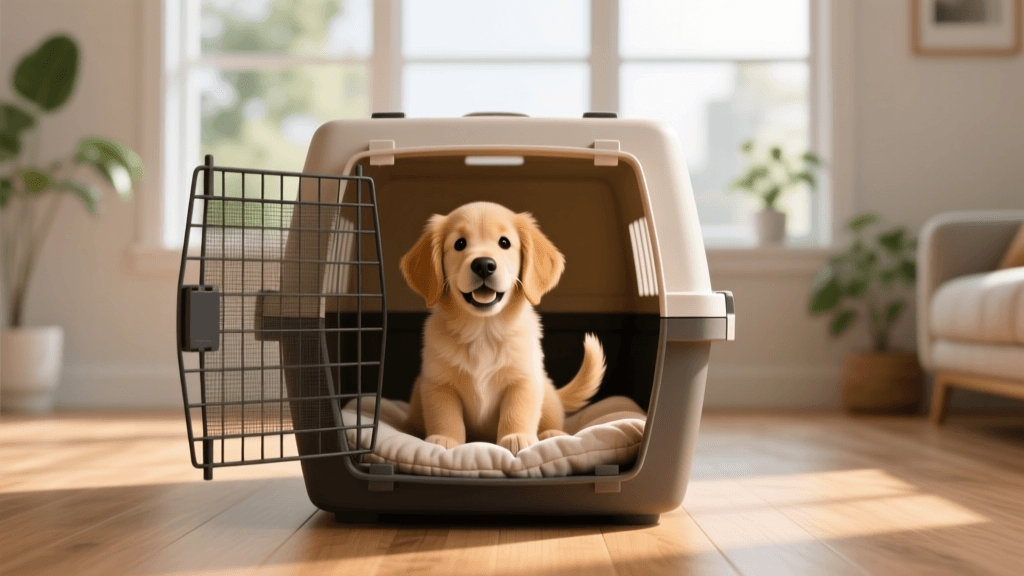
- Provide a Safe Haven: Set up a crate or a gated-off quiet room. Place a Heartbeat Snuggle Puppy ($45) inside. The simulated heartbeat and heat pack mimic littermates, significantly reducing nighttime whining and separation distress in newly adopted dogs.
- Food as Enrichment, Not Just Fuel: Instead of feeding from a bowl, use a Large Red Kong Classic ($15). Soak their kibble in low-sodium chicken broth, add a spoonful of pure pumpkin puree, and freeze it. Licking and chewing are naturally soothing behaviors that release endorphins in a dog's brain.
Phase 2: The First 3 Weeks (Building the Bond)
By week two, Barnaby's adopters noticed a shift. He began to solicit pets, play with toys, and test boundaries by jumping on counters. This is the time to introduce low-pressure behavioral conditioning. The goal is not to demand perfect obedience, but to build a communication system based on positive reinforcement.
The Name Game and Hand Targeting
Many rescue dogs have learned to ignore their names due to the chaotic noise of a shelter environment. Re-teaching name recognition is critical. Say your dog's name once in a cheerful tone. The moment they look at you, mark the behavior with a verbal 'Yes!' or a clicker, and deliver a high-value treat like Zuke's Mini Naturals (under 3 calories each, approx. $6/bag). Repeat this 20 times a day in low-distraction environments.
Next, teach 'Touch' (hand targeting). Hold your palm out, and when the dog sniffs it, mark and reward. This builds confidence and gives you a way to redirect your dog away from triggers without physically grabbing their collar, which can trigger defensive aggression in dogs with unknown handling histories.
Upgrading Your Walking Gear
As you begin short, 15-minute decompression walks in quiet neighborhoods, swap out the shelter slip-lead for a well-fitted harness. The Ruffwear Front Range Harness ($40) is highly recommended for rescues. It features a front chest clip. If the dog pulls or lunges at a passing car, the front clip gently redirects their momentum back toward you, preventing tracheal damage and giving you mechanical leverage without causing pain.
Phase 3: The First 3 Months (Formal Training and Socialization)
By month three, your dog has established a secure attachment. They know where they sleep, when they eat, and that you are a reliable source of safety. Now, you can begin formal obedience training and structured socialization. According to the ASPCA's dog training guidelines, positive reinforcement is the most effective and humane method for teaching dogs, especially those who may have experienced aversive punishments in their past.
The 'Place' Command for Impulse Control
Teaching a solid 'Place' command is a game-changer for rescue dogs. It gives them a designated job when guests arrive or when they are feeling overwhelmed. Invest in a raised dog cot, such as the Kuranda Chewproof Dog Bed (approx. $130). Raised beds provide a clear physical boundary that dogs can easily distinguish from the rest of the floor.
Training Steps:
- Lure the dog onto the cot with a treat.
- Mark and reward when all four paws are on the fabric.
- Add the verbal cue 'Place' right before luring.
- Gradually increase the duration they must stay on the cot before receiving the reward.
Leash Reactivity and the Engage-Disengage Game
Many rescue stories involve dogs who are 'reactive' on leash, barking or lunging at other dogs. This is often rooted in fear and a lack of socialization, rather than true aggression. The AKC's socialization guidelines emphasize the importance of positive, controlled exposures to novel stimuli.
To address this, use the Engage-Disengage game. Find a distance where your dog can see a trigger (like another dog) but remains under their reactivity threshold.
- Engage: The dog looks at the trigger. Mark ('Yes!') and reward.
- Disengage: The dog looks at the trigger, then voluntarily looks back at you. Mark and reward with a jackpot (3-4 treats).
Over weeks of practice, the dog's emotional response shifts from 'I see a dog, I must panic' to 'I see a dog, I look at my handler to get paid.'
Essential Rescue Dog Training Budget
Setting up a rescue dog for success requires a modest upfront investment. Below is a structured breakdown of the essential gear required for the first three months of decompression and training.
| Item | Purpose | Estimated Cost |
|---|---|---|
| 15ft Biothane Long Line | Safe potty breaks and decompression sniffaris without pulling. | $25.00 |
| Snuggle Puppy with Heartbeat | Crate training aid and anxiety reduction for the first week. | $45.00 |
| Ruffwear Front Range Harness | Safe, escape-proof walking with front-clip anti-pull leverage. | $40.00 |
| Kuranda Raised Dog Cot | Durable, chew-proof 'Place' command station for impulse control. | $130.00 |
| Zuke's Mini Naturals (2 pk) | High-value, low-calorie training treats for high-repetition sessions. | $12.00 |
| Group Obedience Class (6 wks) | Structured socialization and foundational cues (Sit, Stay, Recall). | $150.00 |
Total Estimated Starter Budget: $402.00
Real Rescue Story: From Shut-Down to Superstar
Let us return to Barnaby. During his first three days, he spent most of his time sleeping on his Kuranda cot in the quiet guest room, occasionally venturing out for potty breaks on his long line. His adopters did not ask him to sit, shake, or perform any tricks. They simply existed near him, reading books aloud so he could get used to their voices.
By week three, Barnaby was initiating play. His adopters began hand-targeting and capturing calmness, rewarding him with Zuke's treats whenever he chose to lie quietly on his mat instead of pacing. By month three, Barnaby was enrolled in a positive-reinforcement group class. He wasn't the most obedient dog in the room, but he was the happiest. When a Golden Retriever barked loudly across the room, Barnaby didn't panic. He looked at the dog, then turned his head to look at his owner, waiting for his 'Yes!' and his reward. He had learned the most important lesson of all: his human was his safe harbor in a chaotic world.
Expert Resources for Rescue Adopters
Every dog is an individual, and some rescue dogs carry deep-seated trauma that requires professional intervention. If your dog exhibits severe resource guarding, fear-based aggression, or debilitating separation anxiety, consult a certified veterinary behaviorist or an IAABC-certified trainer. For further reading on rescue dog adjustment and behavioral conditioning, explore the comprehensive libraries provided by Best Friends Animal Society's pet care resources and the behavioral science articles published by the ASPCA and AKC.
Training a rescue dog is not about demanding perfection; it is about building a shared language. By respecting the 3-3-3 rule, investing in the right gear, and leading with empathy, you are not just teaching your dog to sit—you are teaching them that they are finally home.
aaron-whyte
All our authors care for dogs every day — read more of their work on the authors page.