Best Dog Breeds for Remote Workers: 2026 Training Guide
Discover the best dog breeds for remote workers in 2026 and learn expert training techniques to create a calm, productive home office environment.
The Reality of Remote Work and Dog Ownership in 2026
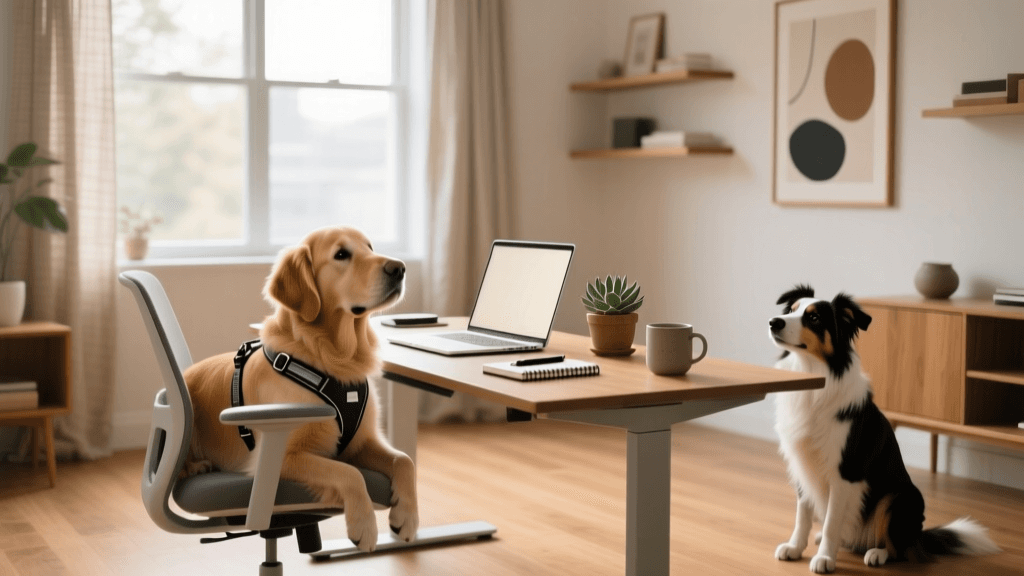
As we navigate the entrenched remote and hybrid work landscape of 2026, the home office has become a permanent fixture for millions of professionals. Sharing this space with a canine companion offers incredible mental health benefits, but it also presents unique behavioral challenges. A dog that barks during a crucial Zoom presentation or demands attention during deep-work blocks can severely impact productivity. While certain breeds are naturally better suited for apartment living and home offices, low energy does not mean zero training. Every dog requires specific behavioral conditioning to thrive in a shared workspace.
In this comprehensive guide, we break down the best dog breeds for remote workers and provide actionable, breed-specific training protocols to ensure your home office remains a sanctuary of focus and calm.
1. The Cavalier King Charles Spaniel: Training the 'Velcro Dog'
Cavaliers are famously affectionate, making them wonderful companions for those who spend long hours at a desk. However, their intense desire to be near their owners can lead to distress when you need to step into another room for a private call or when you eventually leave the house.
Training Focus: The 'Place' Command and Independence
The goal is to teach your Cavalier that their designated bed is a rewarding, safe zone, rather than your lap. As noted by the ASPCA, dogs prone to velcro-like attachment can develop separation anxiety if not taught independent coping skills early on.
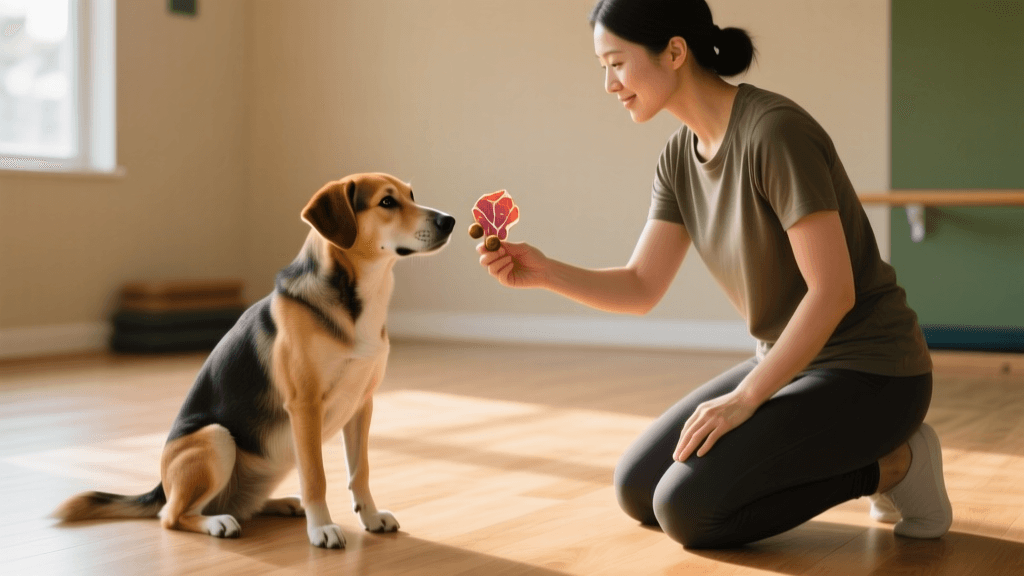
- Step 1: Luring to the Mat. Use a high-value treat (like freeze-dried liver) to lure your Cavalier onto an orthopedic bed placed in the corner of your office. Say 'Place' the moment all four paws touch the mat.
- Step 2: Duration Building. Reward them for staying on the mat. Start with 5 seconds, gradually increasing to 5 minutes while you sit at your desk. Use a 2026 smart treat camera, like the Furbo 360 AI, to toss treats to them remotely while you work.
- Step 3: Distance and Departure. Practice standing up, walking to the door, and returning before they break the 'Place' command. This conditions them to understand that your movement does not mean they need to follow.
2. The Greyhound: Conditioning the '45-MPH Couch Potato'
Retired racing Greyhounds and standard Greyhounds alike are renowned for their indoor lethargy. They are sprinters, not marathon runners, meaning a quick morning walk leaves them perfectly content to sleep under your desk all day. However, they can suffer from sudden 'zoomies' or struggle with settling on hard surfaces.
Training Focus: Capturing Calmness and Surface Acclimation
Greyhounds have very little body fat, making hard office floors uncomfortable. Once provided with a supportive bed, the training focus shifts to 'Capturing Calmness'.
- The Protocol: Keep a treat pouch on your desk. Whenever your Greyhound voluntarily chooses to lie down on their bed and let out a deep sigh (a sign of physical relaxation), calmly walk over and drop a treat between their paws. Do not speak. This reinforces that doing nothing is a highly rewarded behavior in the office.
- Managing Zoomies: If your Greyhound gets the evening zoomies, do not engage or scold. Simply open a clear path to a carpeted room. Scolding can create anxiety, whereas ignoring the behavior ensures it doesn't become an attention-seeking tactic during your work hours.
3. The Basset Hound: Managing the Stubborn Snoozer
Basset Hounds are low-energy, incredibly stubborn, and highly scent-driven. They are unlikely to jump on your desk or pace nervously. Their primary office disruption risks are vocalization (baying) and following their nose into restricted areas of your home office.
Training Focus: Indoor Scent Work and the 'Quiet' Command
To keep a Basset Hound mentally stimulated without requiring hours of outdoor exercise, leverage their olfactory superpowers. According to the American Kennel Club's Scent Work guidelines, engaging a hound's nose for just 15 minutes is equivalent to an hour of physical exercise in terms of mental fatigue.
- Scent Mat Conditioning: Hide kibble in a specialized snuffle mat or inside cardboard boxes near your desk. This keeps them occupied and silent while you take morning meetings.
- The 'Quiet' Command: Bassets will bay at delivery drivers or neighborhood noises. The Humane Society recommends acknowledging the alert, then redirecting. When your Basset bays, say 'Thank you, Quiet,' and immediately toss a treat onto their mat. Over time, they will associate the trigger (a doorbell) with turning away and going to their bed for a reward, rather than continuing to bark.
4. The Shiba Inu: The Independent Roommate
Shiba Inus are cat-like, fastidious, and generally quiet, making them excellent roommates for remote workers. However, they are highly independent, prone to resource guarding, and famous for the 'Shiba Scream' when they are displeased or overstimulated.
Training Focus: Boundary Training and Desensitization
Shibas do not like being hovered over or forced into cuddles, which actually makes them great for deep-work sessions where you cannot attend to a needy dog. The training must focus on mutual respect and noise desensitization.
- Boundary Training: Use baby gates or invisible indoor boundary markers to keep the Shiba out of your immediate chair space if they are prone to resource guarding your lap. Teach a solid 'Leave It' command to prevent them from stealing pens, cables, or notebooks.
- Handling the 'Scream': If a Shiba screams during grooming or nail trims, never punish the vocalization, as this increases fear. Instead, use a lick-mat smeared with dog-safe peanut butter and frozen. Licking releases endorphins and naturally lowers their heart rate, conditioning them to tolerate handling quietly.
Breed Comparison Chart for Remote Workers
| Breed | Indoor Energy | Vocalization Risk | Primary Training Focus | Recommended 2026 Tech Aid |
|---|---|---|---|---|
| Cavalier King Charles Spaniel | Low | Low | Place Command & Independence | Heartbeat Snuggle Puppy |
| Greyhound | Very Low | Low | Capturing Calmness | Orthopedic Memory Foam Mat |
| Basset Hound | Low | High (Baying) | Scent Work & Quiet Command | Interactive Snuffle Puzzle |
| Shiba Inu | Moderate | Moderate (Scream) | Boundaries & Desensitization | AI Smart Treat Toss Camera |
Designing a 2026 Home Office Training Schedule
Success in a remote work environment relies on routine. Dogs thrive on predictability. Here is a sample daily conditioning schedule designed to maximize your productivity and your dog's mental well-being:
- 7:00 AM - Decompression Walk: A 30-minute 'sniffari' walk where the dog leads the route and sniffs as much as they want. This drains their morning energy cup.
- 8:30 AM - Breakfast Enrichment: Feed breakfast via a puzzle toy or snuffle mat while you set up your first morning meeting.
- 12:00 PM - Mid-Day Training Block: A 10-minute active training session focusing on obedience (sit, stay, place) or trick training. This breaks up your workday and provides the dog with necessary mental stimulation.
- 3:00 PM - The Afternoon Slump: Utilize a smart treat camera to toss a low-calorie training treat to their bed while you are on a video call. This reinforces 'staying on place' during your most critical afternoon hours.
- 5:30 PM - Transition Ritual: Close the laptop and perform a distinct action (like putting on different shoes or a jacket) to signal to your dog that 'work mode' is over and 'home mode' has begun. This helps velcro breeds like the Cavalier transition into evening relaxation.
Conclusion
Choosing the right breed for a remote work lifestyle is only the first step. Whether you adopt a stoic Greyhound, an affectionate Cavalier, a nose-driven Basset, or an aloof Shiba Inu, consistent behavioral conditioning is the bridge between a chaotic home office and a productive sanctuary. By leveraging modern 2026 training methodologies and smart-home pet technology, you can foster a deep, respectful bond with your dog while maintaining your professional edge.
jonas-cole
All our authors care for dogs every day — read more of their work on the authors page.