Fueling Focus: Nutrition for Dog Training Without Weight Gain
Learn how to use high-value nutritional rewards for dog training while managing calorie intake to prevent obesity and maintain peak cognitive focus.

The Training-Nutrition Paradox: Balancing Drive and Health
Every professional dog trainer and dedicated pet owner knows that positive reinforcement is the gold standard for behavioral conditioning, obedience training, and socialization. Food is the most potent primary reinforcer available, capable of shaping complex behaviors, accelerating trick teaching, and modifying deep-seated reactivity. However, this methodology presents a significant health paradox: the very tool required to build a reliable, focused dog is often the same tool that contributes to canine obesity. According to the Association for Pet Obesity Prevention, an estimated 56% of dogs in the United States are overweight or obese. This excess weight places tremendous stress on developing joints in puppies and exacerbates osteoarthritis in senior dogs, directly undermining their physical health and longevity.
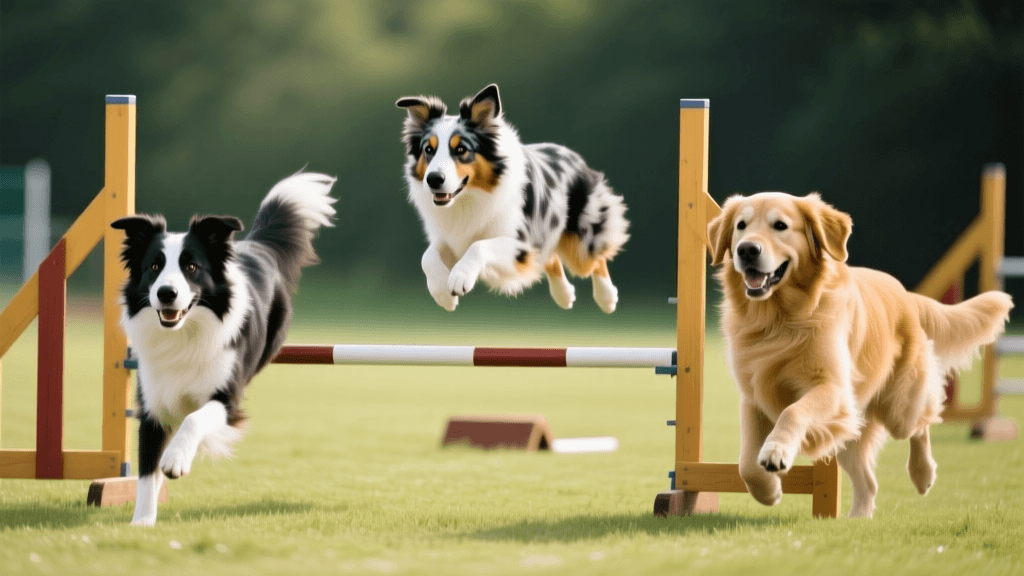
As a senior trainer and canine nutrition enthusiast, I frequently see well-meaning owners inadvertently overfeed their dogs during intensive training boot camps or weekend agility seminars. A dog performing fifty reps of a 'sit-stay-recall' sequence can easily consume hundreds of hidden calories if the owner is unaware of the nutritional density of their chosen rewards. To achieve elite-level obedience without compromising your dog's metabolic health, we must approach training rewards not just as behavioral tools, but as calculated components of a daily nutritional diet. This deep dive will explore the intersection of canine cognitive function, macronutrient timing, and precise calorie management to help you fuel your dog's focus without packing on the pounds.
The Science of Canine Cognitive Function and Diet
Before we discuss how to manage calories, we must understand what fuels a dog's brain during intensive learning. When a dog is engaged in complex problem-solving, such as navigating an agility course or performing scent discrimination, their brain consumes significant amounts of glucose. However, the quality of the fuel matters just as much as the quantity. Research highlighted in the WSAVA Global Nutrition Guidelines emphasizes the role of specific fatty acids and antioxidants in maintaining cognitive sharpness.
Omega-3 fatty acids, specifically DHA (docosahexaenoic acid) and EPA (eicosapentaenoic acid), are critical for neural development and reducing neuroinflammation. Incorporating treats rich in Omega-3s, such as freeze-dried wild-caught salmon or sardines, can actually enhance a dog's memory retention during trick teaching. Furthermore, medium-chain triglycerides (MCTs) found in coconut oil can provide an alternative, highly efficient energy source for the aging canine brain, helping senior dogs maintain focus during gentle obedience refreshers. By selecting training rewards that offer functional cognitive benefits, you transform empty calories into brain-boosting fuel.
The Training Treat Hierarchy: A Nutritional Breakdown
Not all rewards are created equal. In behavioral conditioning, we categorize treats by 'value' (low, medium, high) based on the dog's motivation and the level of environmental distraction. However, from a nutritional perspective, we must also categorize them by caloric density, macronutrient profile, and cost. Below is a comprehensive comparison chart of common training rewards used in professional obedience and behavioral modification.
| Reward Type | Brand / Source | Calories per Piece | Protein Content | Est. Cost | Best Training Use Case |
|---|---|---|---|---|---|
| Freeze-Dried Beef Liver | Stewart Pro-Treat | 1 kcal (per 1/4 cube) | 80% Crude Protein | $2.50 / oz | High-distraction recall, reactivity counter-conditioning |
| Soft Training Bites | Zuke's Mini Naturals | 3 kcal (per treat) | 12% Crude Protein | $1.20 / oz | Rapid-fire obedience reps, luring complex tricks |
| Boiled Chicken Breast | Homemade (Diced 1/4 inch) | 2 kcal (per cube) | 31g per 100g | $0.40 / oz | Sensitive stomachs, high-volume repetition sessions |
| Daily Kibble Ration | Purina Pro Plan Sport | 3.5 kcal (per kibble) | 26% Crude Protein | $0.25 / oz | Low-stakes luring, shaping behaviors in low-distraction areas |
| Freeze-Dried Salmon | Northwest Naturals | 1.5 kcal (per bite) | 75% Crude Protein | $3.00 / oz | Cognitive enrichment, Omega-3 boosting for senior dogs |
Notice the drastic caloric differences. While soft commercial treats are highly palatable and easy to chew quickly (which maintains training momentum), they can easily push a dog over their daily caloric limit if used in high volumes. Conversely, freeze-dried single-ingredient proteins offer immense olfactory value with a fraction of the caloric footprint, provided they are broken down into pea-sized pieces.
The 10% Rule and the 'Kibble Bank' Strategy
The American Kennel Club and leading veterinary nutritionists universally recommend the '10% Rule': treats and training rewards should never constitute more than 10% of a dog's total daily caloric intake. The remaining 90% must come from a complete and balanced commercial or veterinarian-approved homemade diet.
Let us apply this to a practical scenario. Consider a 40-pound active Border Collie. Using the Resting Energy Requirement (RER) formula [70 x (body weight in kg)^0.75] multiplied by an activity factor of 2.0, this dog requires approximately 1,000 calories per day. Ten percent of that is 100 calories. If you are using Zuke's Mini Naturals (3 calories each), your dog can safely consume a maximum of 33 treats per day. For a professional trainer running three 20-minute sessions daily, 33 treats might seem like a lot, but they vanish quickly during rapid-fire shaping exercises.
To circumvent this caloric ceiling, elite trainers utilize the 'Kibble Bank' Strategy. Before a training day begins, measure out the dog's total daily kibble allowance. Remove 20% of that kibble and place it in a dedicated training pouch. To artificially elevate the 'value' of this low-calorie kibble, place a single piece of freeze-dried liver or a dash of powdered bone broth into the pouch and shake it vigorously. The kibble absorbs the high-value scent and flavor profile. During low-distraction obedience training, you feed the scent-rubbed kibble. You reserve the pure, unadulterated high-value treats (like real chicken or salmon) strictly for high-distraction environments or critical behavioral breakthroughs. This strategy ensures the dog remains highly motivated while keeping caloric intake strictly within the 10% threshold.
Timing Meals and Training Sessions for Maximum Drive
Nutrition is not just about what you feed, but when you feed. Operant conditioning relies heavily on the concept of 'drive' or 'motivation.' A dog that is completely satiated from a large morning meal will have significantly less food drive than a dog in a mild state of fasting. To optimize cognitive focus and physical eagerness, schedule your most demanding training sessions approximately 30 to 45 minutes before the dog's scheduled meal.
During this pre-meal window, the dog's ghrelin levels (the hormone that signals hunger) are naturally elevated, increasing their willingness to work for food rewards. Furthermore, feeding the dog their main meal immediately after a successful training session serves a dual purpose: it acts as a massive, satiating 'jackpot' reward that reinforces the entire training sequence, and it promotes rest and digestion, allowing the parasympathetic nervous system to take over. Avoid training a dog immediately after they have eaten a full meal, as this not only diminishes their food drive but also increases the risk of gastrointestinal distress or, in deep-chested breeds, gastric dilatation-volvulus (bloat).
Managing Food Allergies During Intensive Training
For dogs suffering from environmental or food allergies, intensive training can become a minefield. Many commercial training treats rely on common allergens like chicken, beef, wheat, or dairy. If a dog is undergoing an elimination diet trial to identify food sensitivities, introducing random training treats will invalidate the trial and potentially trigger severe pruritus (itching) or gastrointestinal inflammation, which completely derails the dog's ability to focus on learning.
In these cases, trainers must pivot to novel proteins and single-ingredient carbohydrates. Freeze-dried rabbit, kangaroo, or venison are excellent high-value alternatives that rarely trigger allergic responses. For bulk, low-value rewards, you can bake homemade sweet potato chews or use the dog's prescribed hypoallergenic hydrolyzed protein kibble. While novel protein treats are significantly more expensive (often exceeding $4.00 per ounce), they are a non-negotiable investment for allergic dogs requiring behavioral rehabilitation. Always consult with a board-certified veterinary nutritionist before introducing new proteins into an elimination diet protocol.
Conclusion: A Holistic Approach to Canine Education
Mastering dog training requires an understanding that goes far beyond leash mechanics and verbal cues; it requires a deep respect for canine physiology and metabolic health. By applying the 10% rule, utilizing the Kibble Bank strategy, timing meals to leverage natural food drive, and selecting brain-boosting macronutrients, you can build a dog that is not only exceptionally obedient but also physically primed for a long, active life. Remember, the ultimate goal of training is to enhance the bond and quality of life you share with your dog. Protecting their waistline and joint health through meticulous nutritional management is just as vital as teaching them a flawless recall. Train smart, feed smarter, and watch your dog's focus and vitality soar.
robin-maitland
All our authors care for dogs every day — read more of their work on the authors page.