Train Quiet Apartment Dog Breeds: 2026 Anti-Bark Guide
Discover 2026 training strategies for quiet apartment dog breeds. Learn desensitization, anti-bark protocols, and smart tech for high-rise living.
The Myth of the Naturally Silent Apartment Dog
When urban dwellers search for the perfect canine companion in 2026, quiet dog breeds like the Greyhound, Basenji, Shiba Inu, and Basset Hound frequently top the list. The assumption is that these breeds will seamlessly adapt to high-density apartment living without disturbing neighbors. However, veterinary behaviorists emphasize that genetics only provide a baseline. Even the most stoic breeds are susceptible to environmental stressors, particularly the unique acoustic and spatial challenges of modern apartment complexes.
Living in a high-rise means navigating shared walls, elevator dings, hallway footsteps, and the constant hum of urban infrastructure. Without targeted apartment-specific training, even a naturally quiet dog can develop reactive behaviors, leading to nuisance barking, whining, or destructive anxiety. This comprehensive guide outlines modern, science-backed training protocols designed specifically for quiet breeds in apartment environments, ensuring a harmonious living situation for you, your dog, and your neighbors.
Breed-Specific Training Matrix for High-Rise Living
Not all quiet breeds are quiet for the same reasons, and their triggers vary significantly. Understanding your dog's specific genetic predisposition is the first step in designing an effective 2026 training curriculum. Below is a comparison matrix of popular quiet apartment breeds and their primary training focus areas.
| Breed | Baseline Noise Level | Primary Apartment Trigger | 2026 Training Focus |
|---|---|---|---|
| Greyhound | Very Low | Sudden loud noises (sirens, dropping objects) | Acoustic desensitization and 'Place' command conditioning |
| Basenji | Low (Yodels instead of barks) | Boredom and lack of mental stimulation | Advanced puzzle enrichment and scent-work protocols |
| Shiba Inu | Low to Moderate | Territorial alertness (hallway footsteps) | Engage-disengage games and threshold management |
| Basset Hound | Low (Bay when triggered) | Separation anxiety and isolation distress | Independence training and smart-camera treat dispensing |
Acoustic Desensitization: Combating Trigger Stacking
Trigger stacking occurs when a dog experiences multiple mild stressors in succession, causing their cortisol levels to rise until they react explosively to a minor event. In an apartment, a dog might hear a garbage truck, then a neighbor's door slamming, and finally a dog barking outside, culminating in a reactive episode. To prevent this, we must manage the acoustic environment while simultaneously training the dog to remain neutral.
Implementing the 2026 Sound Masking Protocol
Modern smart home technology offers incredible tools for acoustic management. We recommend utilizing a smart white noise machine, such as the Hatch Restore 3, positioned near the front door or shared walls. Set the machine to a 'brown noise' frequency at approximately 60 decibels. Brown noise is deeper and more effective at masking the low-frequency thuds of hallway footsteps and elevator machinery than traditional white noise.
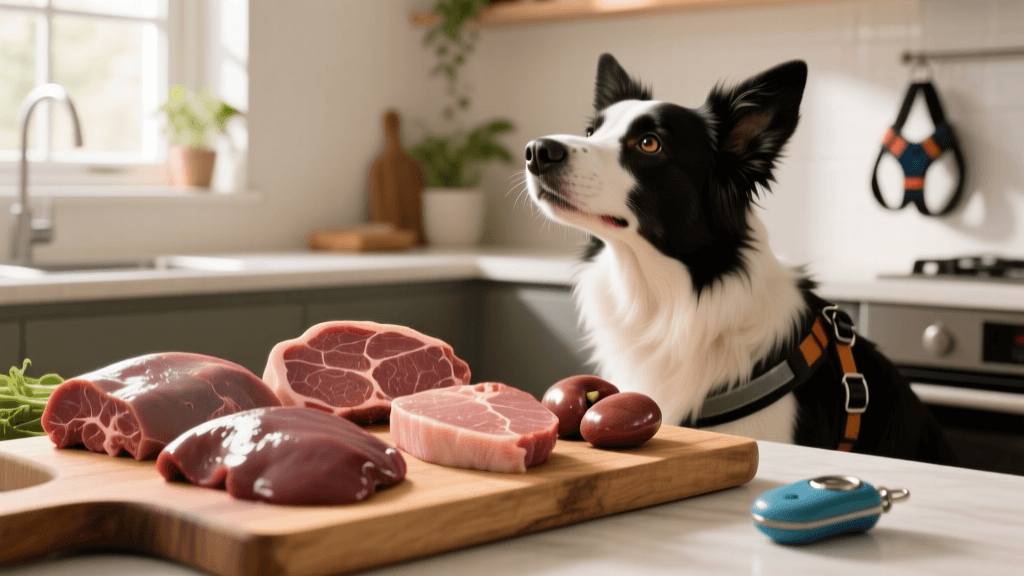
Once the environment is masked, begin systematic desensitization. Record the sounds of your specific building (e.g., the intercom buzzer, the elevator ding) on your smartphone. Play these sounds back at a barely audible volume while feeding your dog high-value treats like freeze-dried beef liver. Gradually increase the volume over several weeks, ensuring your dog remains below their reactivity threshold. According to the ASPCA's guidelines on canine barking and behavior, addressing the root environmental triggers is vastly more effective than simply attempting to suppress the vocalization after it occurs.
The Engage-Disengage Protocol for Window Reactivity
Many apartment dogs develop 'window rage,' barking at pedestrians, delivery drivers, or other dogs passing below. Even typically quiet breeds like the Shiba Inu can become intensely territorial when looking out a high-rise window. The Engage-Disengage game is a cornerstone of modern force-free training that rewires the dog's emotional response to visual triggers.
Step-by-Step Execution
- Step 1: Find the Threshold. Stand with your dog near the window at a distance where they can see the street but remain calm. This is their sub-threshold distance.
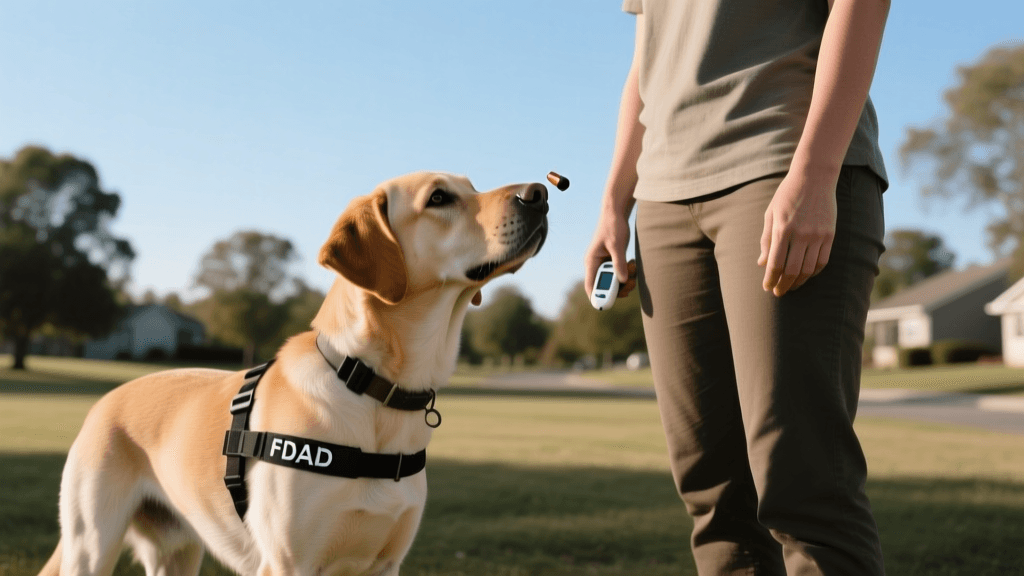
- Step 2: Mark the Engagement. When your dog looks at a trigger (e.g., a pedestrian), immediately use a marker word like 'Yes!' or click a training clicker. This marks the exact moment they notice the trigger without reacting.
- Step 3: Reward Disengagement. After marking, wait for your dog to turn their head toward you to get their treat. The act of turning away from the trigger is the 'disengage.' Deliver a high-value treat within 300 milliseconds of the head turn.
- Step 4: Decrease Distance. Over multiple sessions, gradually move closer to the window. If your dog barks or stiffens, you have pushed too far, too fast. Increase the distance and try again.
This protocol shifts the dog's brain from the amygdala (fear/reactivity center) to the prefrontal cortex (decision-making center). By 2026, certified behaviorists universally recommend this method over punitive anti-bark collars, which only suppress symptoms and increase underlying anxiety.
Smart Tech and Enrichment for Solo Hours
Quiet breeds are often prone to internalizing stress. When left alone in an apartment, a Basenji or Basset Hound might not bark, but they may resort to destructive chewing or compulsive licking. Managing solo hours requires a blend of physical exhaustion, mental enrichment, and remote monitoring.
Recommended 2026 Apartment Enrichment Gear
Before leaving for work, provide your dog with a long-lasting enrichment activity. The Outward Hound Nina Ottosson Dog Brick Puzzle is an excellent choice for intelligent, quiet breeds that need a job to do. Fill the compartments with a mix of kibble and soft treats, then freeze the entire puzzle with a layer of low-sodium bone broth. This can occupy a dog for 45 to 60 minutes, promoting calm licking and chewing behaviors that release endorphins.
For remote monitoring and intervention, the Furbo 360 Dog Camera remains a top-tier investment for apartment dwellers. Retailing around $150, it allows you to monitor your dog's stress levels via smartphone. If you notice your dog pacing or whining at the door, you can use the two-way audio to offer a calm verbal cue and toss a treat to redirect their focus back to their mat. The American Kennel Club (AKC) notes that combining remote positive reinforcement with environmental enrichment is highly effective for managing separation-related vocalizations.
Building a 4-Week Apartment Conditioning Schedule
Consistency is the bedrock of behavioral conditioning. Below is a structured 4-week schedule designed to acclimate a newly adopted quiet breed to apartment living.
Week 1: Decompression and Baseline Mapping
Focus entirely on decompression. Keep walks to quiet hours (early morning or late evening). Implement the brown noise sound masking protocol. Do not invite guests over. Map your dog's triggers and note their threshold distances for windows and doors.
Week 2: The 'Place' Command and Mat Training
Teach a solid 'Place' command using a raised cot like the Coolaroo Elevated Pet Bed. The raised edges provide a tactile boundary that helps dogs feel secure. Practice sending your dog to their mat when you simulate apartment noises, such as knocking on the inside of your front door or dropping a set of keys.
Week 3: Controlled Socialization in Shared Spaces
Begin navigating the apartment's shared spaces (lobbies, elevators, hallways) during low-traffic hours. Carry a treat pouch filled with soft, smelly treats like Zuke's Mini Naturals. Reward your dog heavily for making eye contact with you when the elevator doors open or when a neighbor passes by.
Week 4: Increasing Distractions and Duration
Gradually increase the difficulty. Practice your Engage-Disengage protocol at the window during busier afternoon hours. Leave your dog alone for short, incremental periods (starting at 10 minutes and building to 2 hours) while providing frozen puzzle toys. Review your Furbo camera footage to assess their resting heart rate and stress signals.
Conclusion: Patience and Proactive Management
Owning a quiet dog breed in an apartment is a rewarding experience, but it requires proactive management and a deep understanding of canine body language. By utilizing modern acoustic masking, structured desensitization protocols, and intelligent enrichment tools, you can ensure your dog remains a calm, confident, and silent companion. Remember that training is not a one-time event but an ongoing dialogue with your pet. Invest the time in these 2026 methodologies, and you will cultivate a peaceful sanctuary for both you and your dog amidst the hustle of urban life.
hannah-wickes
All our authors care for dogs every day — read more of their work on the authors page.