Raw Diet Scent Training: Using Fresh Organ Meats in 2026
Discover how to use raw tripe and fresh organ meats for canine scent detection training in 2026. Boost your dog's drive with alternative diet rewards.
The Intersection of Raw Diets and Canine Scent Work
As we navigate the competitive and recreational nose work season of 2026, a distinct shift has occurred in the canine sports community. More handlers than ever are feeding their dogs biologically appropriate raw food (BARF) or fresh, gently cooked alternative diets. While these diets offer incredible health benefits, they present a unique challenge in the training field: dogs raised on fresh, species-appropriate diets often turn their noses up at the highly processed, dry kibble or commercial biscuit treats traditionally used in scent detection training. When your dog is accustomed to the rich, moisture-dense profile of raw meat, a dry training treat simply does not carry the same motivational weight.
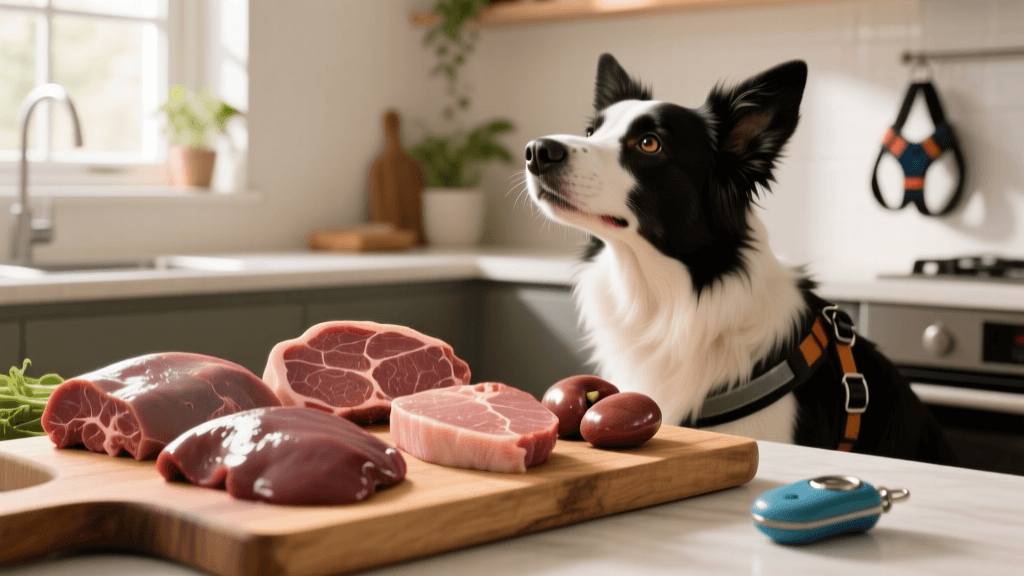
Fortunately, the very ingredients that make up your dog's fresh diet can be repurposed as the ultimate high-value rewards and scent articles for nose work. By utilizing raw green tripe, fresh beef liver, and raw sardines, handlers can tap into a dog's primal prey drive and olfactory instincts. This comprehensive guide explores how to effectively integrate raw and fresh alternative diet ingredients into your scent detection training regimen in 2026, ensuring maximum drive, focus, and field safety.
The Olfactory Power of Raw and Fresh Ingredients
To understand why raw ingredients excel in scent training, we must look at the biology of canine olfaction. A dog's nose is designed to detect volatile organic compounds (VOCs). Processed, dehydrated treats lose a significant amount of their natural VOCs during the manufacturing process. In contrast, raw and fresh meats retain their natural moisture, fats, and proteins, which continuously off-gas complex scent molecules into the environment.
According to guidelines published by the American Kennel Club (AKC) Scent Work program, maintaining a dog's natural hunt drive is critical for success in the sport. Raw organ meats trigger the predatory motor sequence—search, stalk, chase, and consume—far more effectively than synthetic flavorings. When a dog on a fresh diet catches the scent of raw green tripe or fresh liver, it is not just smelling a 'treat'; it is smelling a biologically significant food source that demands immediate investigation.
Top Raw Ingredients for Scent Articles and Rewards
Not all raw ingredients are created equal when it comes to scent projection and field handling. Below is a comparison of the most effective fresh and raw ingredients used by top nose work handlers in 2026.
| Raw Ingredient | Olfactory Profile | Scent Tin Prep | Field Reward Value |
|---|---|---|---|
| Raw Green Tripe | Pungent, earthy, extremely high VOCs | Dehydrated chunk placed in tin | Extreme (High Drive) |
| Fresh Beef Liver | Metallic, rich, heavy moisture scent | Smear on cotton swab inside tin | High (Focused Work) |
| Raw Sardines | Sharp, fishy, wide-area projection | Dried whole fish in ventilated tin | High (Environmental) |
| Raw Goat Milk | Sweet, fermented, subtle dairy notes | Soaked and dried on felt pad | Moderate (Puppies/Seniors) |
When preparing these ingredients for scent tins, it is crucial to follow the specific rules of your chosen sanctioning body. While recreational tracking allows for almost any food scent, competitive organizations like the National Association of Canine Scent Work (NACSW) strictly regulate the use of food in competition environments. Therefore, raw food imprinting is best utilized for foundational training, tracking, and high-drive building outside of official trial settings.
Step-by-Step Raw Scent Imprinting
Imprinting is the process of teaching your dog that a specific odor yields a high-value reward. When using raw materials, the imprinting process must be managed carefully to prevent the dog from attempting to destroy the scent vessel to get to the food.
Step 1: The Scent Vessel Preparation
Never place raw, wet meat directly into a standard metal scent tin, as the moisture will cause bacterial growth and degrade the tin. Instead, take a small piece of raw green tripe or fresh liver and dehydrate it at 145°F for 6 to 8 hours. This preserves the VOC profile while removing the moisture that causes spoilage. Place the dehydrated raw piece inside a ventilated metal tin or a specialized scent tube.
Step 2: The Pairing Phase
Present the scent tin to your dog in a low-distraction environment. The moment your dog sniffs the tin, mark the behavior with a clicker or a verbal 'Yes!' and immediately reward them with a fresh, raw equivalent. For example, if the tin contains dehydrated raw tripe, the reward should be a fresh, frozen-thawed piece of raw tripe. This creates a powerful neurological bridge between the concentrated scent and the fresh, biologically appropriate reward.
Step 3: Building the Search
Once the dog understands that the tin odor predicts fresh meat, begin hiding the tin in increasingly complex environments. Because raw and fresh diet dogs are often highly food-motivated, you must ensure the dog is searching for the scent, not just looking for visual cues or dropped food crumbs.
Pro Tip for 2026: Use insulated, leak-proof bait pouches when carrying fresh raw rewards in the field. This prevents the scent of the reward from leaking and contaminating the search area, ensuring your dog is working the hidden target odor and not the scent trail from your treat bag.
Managing High Drive and Arousal on a Raw Diet
One of the most common side effects of transitioning a dog to a raw or fresh alternative diet is an increase in overall energy and prey drive. While this is excellent for scent work, it can lead to over-arousal, frantic searching, and a lack of precision at the source.
To manage this, incorporate 'calmness protocols' into your training sessions. Before introducing the raw scent article, ask your dog to perform a settled behavior, such as a chin rest or a down-stay on a mat. Only release the dog to search when they are in a thinking, balanced state of mind. If the dog becomes frantic and begins pawing at the scent tin, immediately remove the tin and wait for the dog to offer a calm behavior before re-presenting it. This teaches the dog that calm, methodical scent processing is the key to unlocking their fresh food reward.
Field Handling, Biosecurity, and Safety
Training with raw and fresh meats in outdoor environments requires strict adherence to biosecurity and food safety protocols. The American College of Veterinary Nutrition (ACVN) consistently highlights the importance of safe handling practices when dealing with raw meats to prevent cross-contamination and bacterial exposure for both the canine and the human handler.
- Temperature Control: Fresh raw rewards must be kept below 40°F. In the warmer months of 2026, use specialized cooler-bags with ice packs dedicated solely to your dog's training treats.
- Single-Use Gloves: When loading scent tins with raw organ meats or preparing fresh rewards, wear disposable nitrile gloves to prevent transferring raw meat juices to your leash, handling gear, or vehicle interior.
- Post-Session Cleanup: Always carry a canine-safe enzymatic cleaner and paper towels to wipe down any area where your dog consumed their raw reward. This is especially important in public parks to respect shared spaces and prevent the spread of pathogens.
- Hydration: Raw diets naturally provide more moisture than kibble, but intense scent work in the field still requires active hydration. Offer fresh water immediately after consuming high-protein raw rewards to aid digestion.
Transitioning to Competition Scents
While raw tripe and fresh liver are phenomenal for building foundational drive and teaching the mechanics of the search, most formal nose work competitions require dogs to search for essential oils such as Birch, Anise, and Clove. The transition from raw food scents to essential oils is seamless if you use the 'transfer of value' method.
Begin by hiding the raw scent tin alongside a tin containing the target essential oil. Reward the dog heavily with fresh meat when they find the paired tins. Over several sessions, gradually reduce the size of the raw food scent source while maintaining the essential oil source. Eventually, the dog will associate the odor of Birch or Anise with the exact same high-value raw reward they received during their food imprinting phase. This ensures that even when the target odor is a non-food item, the dog's anticipation of a fresh, raw reward keeps their search intensity at its peak.
Conclusion
The integration of raw, fresh, and alternative diet ingredients into canine scent detection training represents a massive leap forward in motivational handling. By respecting your dog's biological needs and leveraging the intense olfactory profile of raw organ meats, you can build a search dog that is resilient, deeply focused, and endlessly driven. As the sport of nose work continues to evolve in 2026, handlers who embrace species-appropriate rewards will undoubtedly find themselves at the forefront of canine performance and welfare.
priya-sutaria
All our authors care for dogs every day — read more of their work on the authors page.