Training Herding Breeds vs Hounds: A Selection Guide
Discover how to select and train herding breeds versus scent hounds. Compare traits, costs, and actionable obedience strategies for your ideal dog.
Choosing the Right Breed for Your Training Lifestyle
Selecting a canine companion is an exciting journey, but many prospective owners make the critical mistake of choosing a dog based purely on appearance rather than genetic wiring. When it comes to obedience training, behavioral conditioning, and socialization, a dog's breed group dictates their learning style, motivation, and environmental triggers. According to the American Kennel Club (AKC), understanding breed-specific instincts is the foundation of successful human-canine communication. This guide compares two vastly different genetic categories—Herding breeds and Scent Hounds—to help you select the right dog for your training capabilities, budget, and lifestyle.
The Genetic Divide: Instincts vs. Intelligence
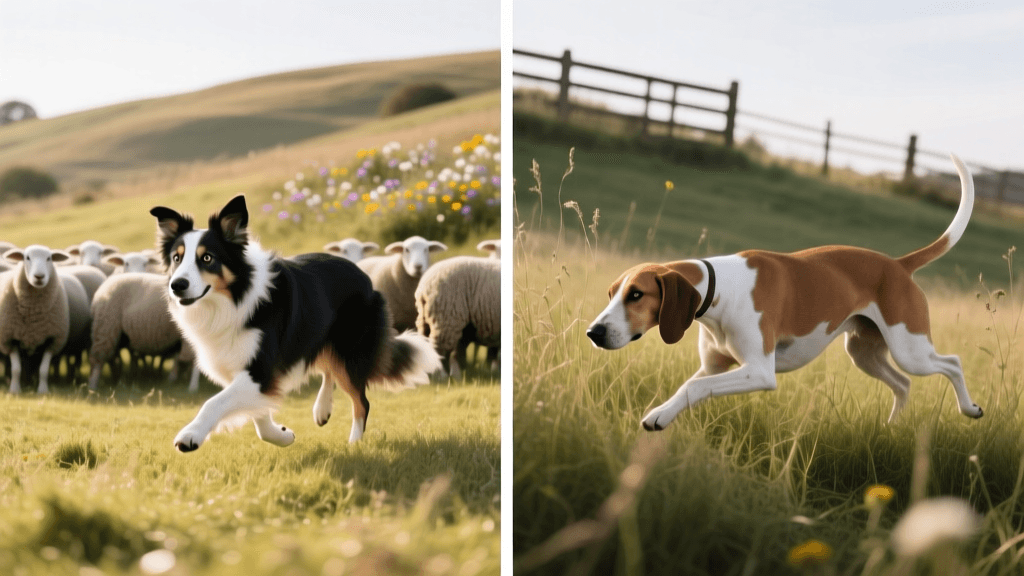
Before diving into specific training drills, it is vital to understand that a dog's 'stubbornness' is often just a misunderstood genetic predisposition. Herding breeds, such as Border Collies, Australian Shepherds, and Shetland Sheepdogs, were selectively bred to work in tandem with human handlers. They possess high 'biddability'—an innate eagerness to please and respond to human cues. Conversely, Scent Hounds, like Beagles, Bloodhounds, and Coonhounds, were bred to track game independently over vast distances. Their brains are hardwired to follow environmental odors rather than human commands. Recognizing this divide is the first step in breed selection and targeted behavioral conditioning.
Training Herding Breeds: Impulse Control and Mental Fatigue
Herding dogs are the athletes of the canine world. Their primary training challenge is not learning a command, but managing their intense reactivity to movement. Without proper behavioral conditioning, a herding dog may attempt to 'herd' children, chase bicycles, or nip at joggers.
Actionable Drill: The 'Place' Command
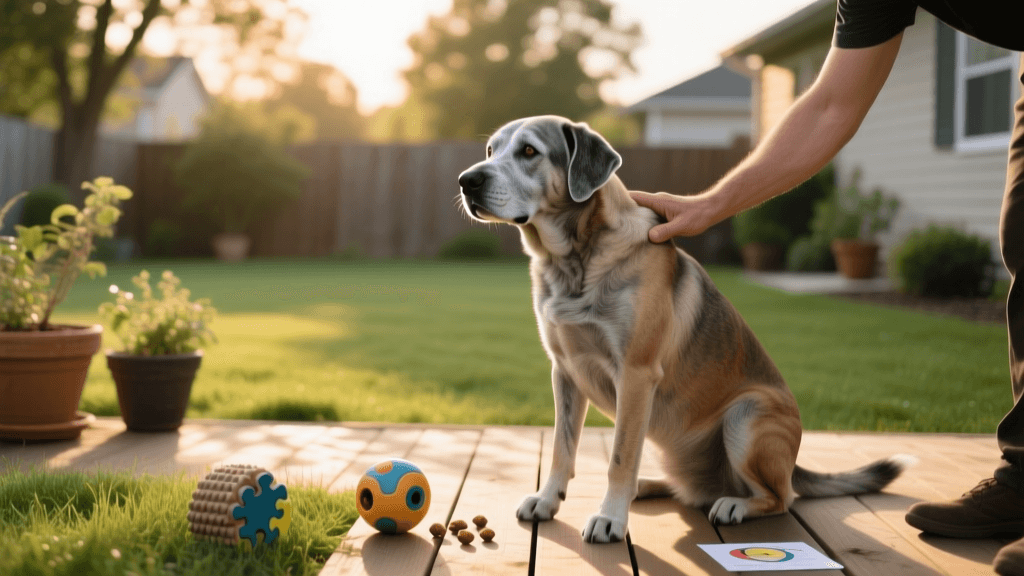
To build impulse control, the 'Place' command is essential. This teaches the dog to settle on a designated mat while the world moves around them.
- Equipment: An elevated, durable bed like the Kuranda Dog Bed ($120-$180) or a thick, non-slip training mat.
- Timing: Practice in 5-minute micro-sessions, 3 times a day. Herding dogs learn rapidly but can become frustrated if sessions drag on.
- Execution: Lure the dog onto the mat with a high-value treat like Zuke's Mini Naturals ($15 per bag). Mark the behavior with a clicker or a verbal 'Yes,' and reward. Gradually increase the duration from 5 seconds to 10 minutes, introducing distractions like rolling a tennis ball across the room.
Enrichment Costs for Herders
Physical exercise is not enough for herding breeds; they require intense cognitive fatigue. Budget approximately $40 to $70 monthly for enrichment. This includes puzzle toys like the Outward Hound Nina Ottosson Dog Brick ($30) and a flirt pole ($25) to safely satisfy their chasing instincts in a controlled, rule-based environment.
Training Scent Hounds: Scent Neutrality and Recall
If herding dogs are guided by the eye, hounds are guided by the nose. The ASPCA emphasizes that positive reinforcement must align with a dog's primary motivators. For hounds, this means leveraging scent and food rather than toys or praise. Their training challenge is recall; once a hound catches an interesting odor, they can become temporarily 'deaf' to human voices.
Actionable Drill: Long-Line Recall and 'Find It'
Never trust a hound off-leash in an unfenced area. Instead, build a bulletproof recall using controlled long-line work and scent games.
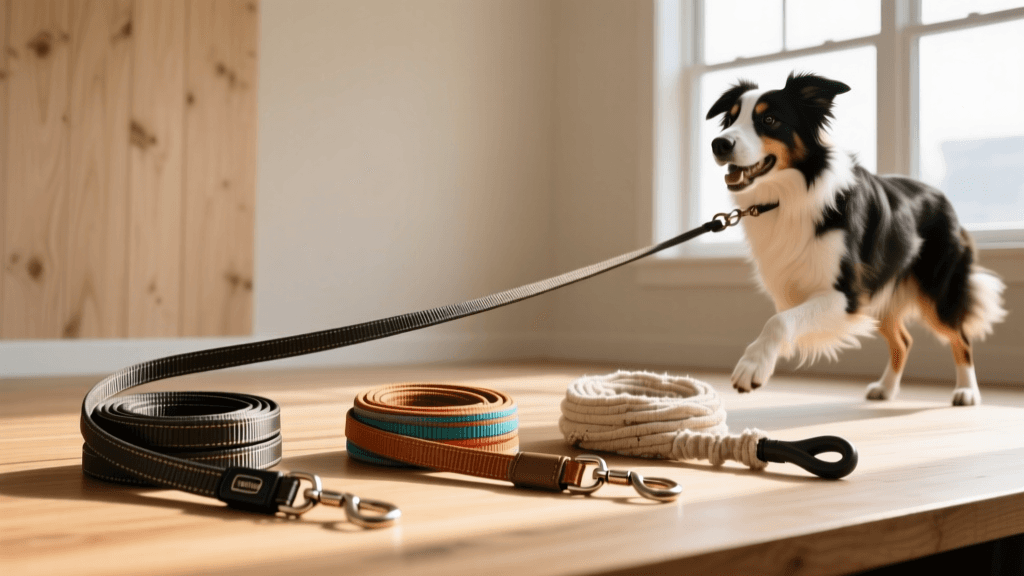
- Equipment: A 30-foot Biothane long line ($35-$50). Biothane is essential as it does not absorb mud or water like nylon, preventing tangles and burns.
- Timing: Train right before mealtimes when the dog's food drive is highest. Keep sessions to 10-15 minutes.
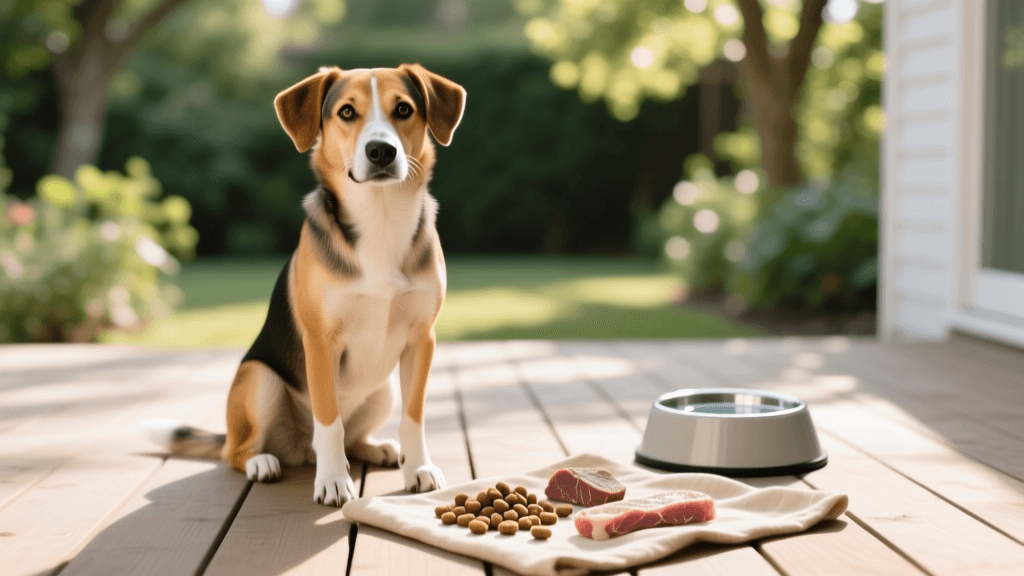
- Execution: Attach the long line. Toss a piece of freeze-dried beef liver ($25 per tub) into the grass and say 'Find it.' This engages their natural tracking instinct while keeping them engaged with you. To build recall, gently reel them in while calling their name, rewarding heavily when they return to your side.
Breed Comparison Chart: Training Needs & Costs
| Training Metric | Herding Breeds (e.g., Border Collie, Aussie) | Scent Hounds (e.g., Beagle, Coonhound) |
|---|---|---|
| Biddability | Extremely High (Handler-focused) | Low to Moderate (Environment-focused) |
| Primary Motivation | Movement, Toys, Handler Praise | Food, Environmental Scents |
| Recall Difficulty | Moderate (Distracted by moving prey) | Very High (Distracted by odor trails) |
| Ideal Session Length | 5 to 10 minutes (High intensity) | 10 to 15 minutes (Scent-based pacing) |
| Monthly Enrichment Budget | $40 - $70 (Puzzles, Flirt Poles) | $30 - $50 (Scent Kits, Long Lines) |
| Primary Behavioral Risk | Reactivity to movement, nipping | Roaming, ignoring recall cues |
Socialization and Behavioral Conditioning
Socialization is not merely about letting a dog play with others; it is about teaching them to remain neutral in the presence of environmental stimuli. The Humane Society notes that the critical socialization window closes around 14 weeks of age, making early, structured exposure vital for both breed groups, though the focus differs drastically.
Socializing the Herder: Movement Neutrality
Herding breeds are prone to developing fear-based reactivity toward fast-moving objects like skateboards, delivery trucks, and running children. Conditioning must involve 'Look at That' (LAT) drills. Sit 20 feet away from a busy sidewalk. The moment the dog looks at a skateboard, click and treat. The goal is to rewire the dog's brain to associate moving objects with receiving a treat from the handler, rather than feeling the need to chase or bark.
Socializing the Hound: Scent Neutrality
Hounds need to learn that not every smell requires a deep-dive investigation. Practice 'sniff walks' on a 6-foot leash where the dog is allowed to pull slightly to smell a bush, but must disengage when the handler changes direction. Use a front-clip harness, such as the Rabbitgoo No-Pull Harness ($25), to gently redirect their physical momentum away from intense scent traps without causing tracheal damage.
When to Hire a Professional Trainer
While foundational obedience can be taught at home, certain breed-specific behaviors require professional intervention. If a herding dog begins showing aggression toward children or bicycles, or if a hound develops severe separation anxiety or escape-artist tendencies, seek a Certified Professional Dog Trainer (CPDT-KA). Expect to pay $150 to $300 for a 6-week group obedience class, or $120 to $200 per hour for private, in-home behavioral conditioning. Investing in professional help early can prevent costly property damage or liability issues down the road.
Conclusion: Matching the Dog to the Handler
Selecting between a herding breed and a scent hound ultimately comes down to an honest assessment of your own lifestyle. If you enjoy structured, fast-paced training sessions, canine sports like agility, and have the time to manage a highly reactive, intelligent mind, a herding breed will be a deeply rewarding partner. If you prefer a more laid-back companion, enjoy leisurely 'sniffaris' in the woods, and have the patience to train with high-value food rewards, a scent hound will bring immense joy to your home. By respecting their genetic blueprints and utilizing breed-specific training strategies, you can forge an unbreakable bond with your chosen companion.
jonas-cole
All our authors care for dogs every day — read more of their work on the authors page.