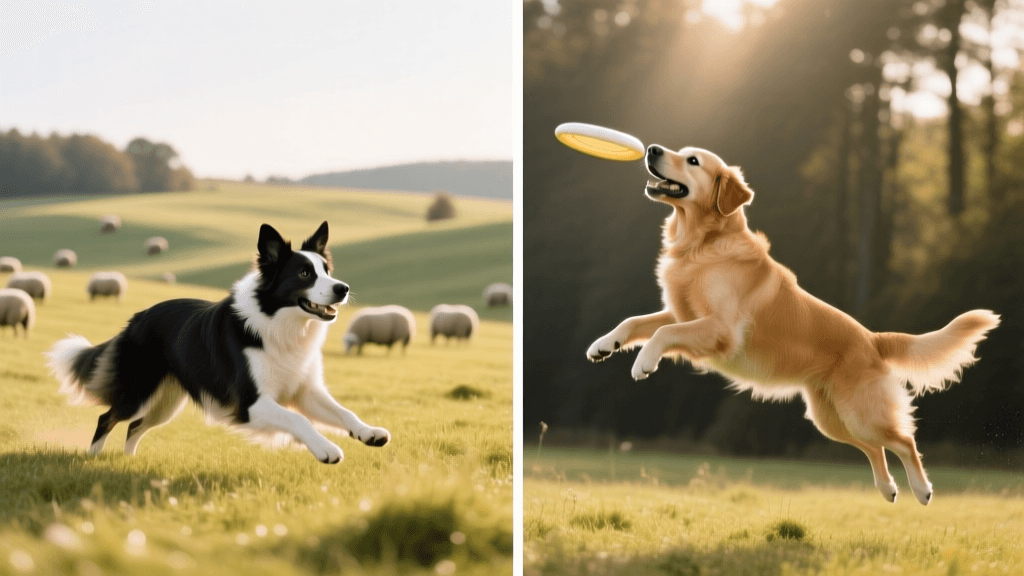
Fueling Focus: Nutrition Strategies for Dog Obedience Training
Discover how to optimize your dog's diet and treat selection for obedience training. Learn caloric management and high-value reward strategies.
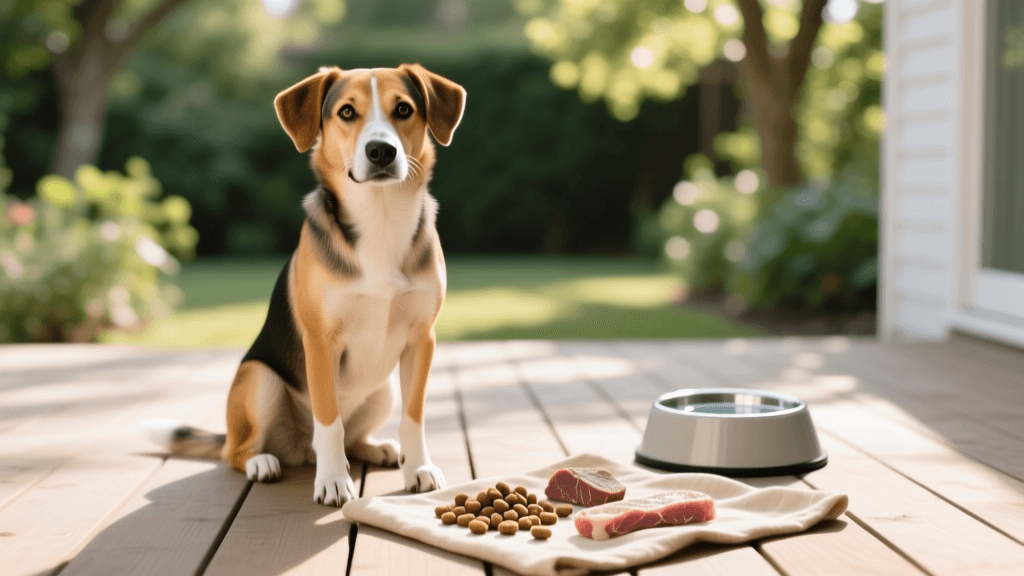
Introduction: The Intersection of Diet and Canine Cognition
When we think of dog training, we often picture leashes, clickers, and endless repetitions of 'sit' and 'stay.' However, one of the most critical—yet frequently overlooked—components of behavioral conditioning is nutrition. Just as human athletes require precise fueling for peak physical and mental performance, canine learners need optimal nutrition to maintain focus, process new commands, and sustain the energy required for intensive obedience sessions. The brain is a metabolically demanding organ, and a dog learning a complex behavioral chain is doing heavy cognitive lifting. If your dog is struggling to focus, acting lethargic, or failing to retain commands, the issue may not be a lack of discipline, but a lack of proper nutritional strategy.
The 10% Rule: Managing Caloric Intake During Training
The most common pitfall in reward-based training is the accidental overfeeding of treats, which quickly leads to canine obesity and associated joint issues. According to the American Kennel Club (AKC), treats and training rewards should never make up more than 10% of your dog's daily caloric intake. The remaining 90% must come from a complete and balanced commercial or veterinarian-approved homemade diet.
Let us break down the math for a highly active 30-pound Border Collie requiring approximately 800 calories per day. Ten percent of 800 calories leaves exactly 80 calories for daily training rewards. If you are using standard milk-bone biscuits (roughly 30 calories each), you can only afford to give your dog two and a half treats per day—hardly enough for a rigorous 20-minute recall training session. Conversely, if you use Zuke's Mini Naturals (3.5 calories each), that same 80-calorie budget yields nearly 23 individual rewards, allowing for rapid-fire marking and positive reinforcement without compromising your dog's waistline.
The Treat Hierarchy: Matching Nutrition to Distraction Levels
Not all training environments are created equal, and neither are all treats. To optimize behavioral conditioning, professional trainers utilize a 'Treat Hierarchy.' This involves categorizing rewards by their palatability, scent, and nutritional density, matching the reward to the level of environmental distraction.
| Reward Tier | Example Product | Calories per Piece | Best Use Case |
|---|---|---|---|
| Tier 1 (Low-Value) | Dog's Regular Kibble (e.g., Royal Canin) | ~10 kcal | Basic obedience at home, luring, 'Nothing in Life is Free' protocols. |
| Tier 2 (Medium-Value) | Zuke's Mini Naturals or Training Biscuits | ~3.5 kcal | Repetitive marking, loose-leash walking in low-distraction areas. |
| Tier 3 (High-Value) | Freeze-Dried Beef Liver (e.g., Stella & Chewy's) | ~5 kcal | Recall training, high-distraction environments, fear-conditioning counter-work. |
| Tier 4 (Jackpot) | Boiled Chicken Breast or Low-Sodium Hot Dogs | ~45 kcal (per oz) | Breakthrough moments, ending a difficult session on a high note. |
By reserving Tier 3 and Tier 4 nutritional rewards exclusively for high-stakes training scenarios, you preserve the psychological impact of the reward. If a dog receives freeze-dried liver for simply sitting in the living room, that treat loses its currency when you need the dog to recall away from a chasing squirrel at the park.
The 'Deduct and Substitute' Method for Intensive Training
For puppies or dogs undergoing intensive behavioral modification (such as reactive dog training or service dog tasking), the volume of treats required can easily exceed the 10% rule. To combat this, veterinary nutritionists recommend the 'Deduct and Substitute' method. The Tufts University Cummings Veterinary Medical Center frequently highlights the dangers of treat overfeeding and advocates for utilizing a dog's daily kibble allowance as training currency.
Each morning, measure out your dog's total daily kibble requirement. Remove 25% to 50% of that kibble and place it in your training treat pouch. Use this kibble for basic obedience, impulse control games, and indoor conditioning. By doing this, you are not adding 'empty calories' to your dog's diet; you are simply making them work for their daily nutritional requirements. This not only prevents obesity but also taps into a dog's natural foraging instincts, increasing their engagement and focus during the session.
Timing Meals and Training Sessions
The timing of your dog's meals directly impacts their cognitive stamina. Feeding a large meal immediately before a training session often results in postprandial somnolence (the 'food coma' effect), as the body diverts blood flow and energy toward the gastrointestinal tract for digestion. A lethargic dog will struggle to process new spatial cues or maintain a reliable 'stay' command.
For optimal focus, schedule training sessions either right before a meal or at least two to three hours after eating. Capitalizing on a dog's natural food drive by training on an empty (but not starving) stomach drastically increases their motivation to work. For dogs with notoriously low food drive, implement a 'hand-feeding' protocol where their entire breakfast or dinner is dispensed piece-by-piece as rewards during a 15-minute obedience session.
Hydration and Cognitive Fatigue
Training, particularly outdoors or in warm weather, causes dogs to pant heavily, leading to rapid moisture loss. Even mild dehydration can cause a significant drop in cognitive function, resulting in slowed response times and apparent 'stubbornness.' Always bring fresh water to your training sessions. Additionally, you can utilize 'wet' training treats to simultaneously reward and hydrate your dog. Low-sodium bone broth frozen into silicone molds, or small cubes of watermelon (seedless and rind-free), serve as excellent high-value, hydrating rewards for summer agility or fieldwork training.
Food Allergies and Behavioral Distractions
A dog suffering from undiagnosed food allergies or intolerances is a dog that cannot focus. Gastrointestinal discomfort, itchy skin, and inflamed ears create immense internal distraction. If your dog is constantly scratching, licking their paws, or shifting their weight during a 'down-stay,' they are not ignoring your command; they are dealing with physical distress. Common allergens in commercial training treats include chicken, beef, dairy, and wheat. If you suspect a sensitivity, pivot to novel protein training treats, such as freeze-dried rabbit, venison, or kangaroo, to ensure the reward is both motivating and physically tolerable for the dog.
Supplements for the Anxious or Hyperactive Learner
For dogs that exhibit hyperarousal, anxiety, or an inability to settle during training, nutritional supplementation can bridge the gap between behavioral conditioning and neurological calm. Omega-3 fatty acids (specifically EPA and DHA found in wild-caught salmon oil) are proven to support brain health and reduce neuro-inflammation. Furthermore, supplements containing L-Theanine (an amino acid found in green tea) can promote alpha-brain wave activity, helping anxious dogs achieve a state of relaxed alertness. Always consult your veterinarian before introducing new supplements, especially if your dog is on behavioral medications.
Safety First: Avoiding Toxic Foods in Homemade Treats
Many handlers prefer to make their own training treats to control ingredients and costs. Boiled chicken breast, plain sweet potato chews, and scrambled eggs are fantastic, cost-effective options. However, when preparing homemade rewards, you must be hyper-vigilant about canine toxicity. The ASPCA's guide on dangerous people foods explicitly warns against ingredients that are highly toxic to dogs. Never use garlic or onions as flavor enhancers, avoid macadamia nuts entirely, and be incredibly cautious of sugar-free peanut butter, which often contains Xylitol—a sugar alcohol that is rapidly fatal to dogs even in microscopic doses.
Conclusion
Effective dog training is a holistic endeavor that extends far beyond the leash and the clicker. By understanding the brain-gut connection, strictly managing caloric budgets, utilizing a strategic treat hierarchy, and ensuring optimal hydration and digestion timing, you set your canine partner up for cognitive success. Nutrition is the foundation upon which focus, drive, and behavioral retention are built. Fuel your dog's mind as carefully as you guide their actions, and watch their obedience and enthusiasm reach new heights.
marcus-aldridge
All our authors care for dogs every day — read more of their work on the authors page.