Step-by-Step Guide to Calming Anxious Dogs in the Car
Learn how to train your anxious dog to love car rides with our step-by-step desensitization guide, featuring gear recommendations and timing tips.
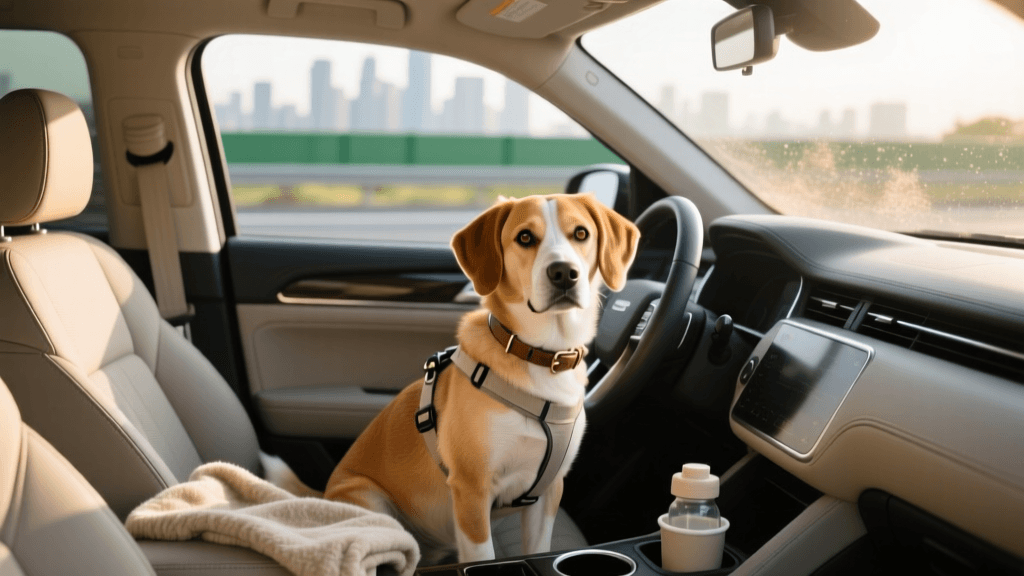
Transforming Car Rides from Terrifying to Thrilling
For many dog owners, loading their furry friend into the car for a simple trip to the park or a necessary visit to the veterinarian is a daily struggle filled with whining, pacing, and stress. According to the American Kennel Club (AKC), car anxiety and motion sickness are among the most common behavioral and physical complaints reported by pet parents. However, sharing your life with a dog means eventually hitting the road together, whether for daily errands, weekend getaways, or emergency vet visits. The good news is that car anxiety is not a permanent life sentence for your dog. Through systematic desensitization, counter-conditioning, and the right safety gear, you can rewire your dog's emotional response to the vehicle. This comprehensive, step-by-step training guide will walk you through the exact protocols, timelines, and product recommendations needed to turn your anxious passenger into a confident, relaxed co-pilot.
Understanding Canine Car Anxiety vs. Motion Sickness
Before beginning any training protocol, it is crucial to identify whether your dog is suffering from psychological car anxiety, physical motion sickness, or a combination of both. Dogs that experience anxiety often associate the car with negative outcomes, such as veterinary visits, or they may feel claustrophobic in a confined space. On the other hand, motion sickness is a physiological response. The VCA Animal Hospitals note that puppies and young dogs often outgrow motion sickness as their inner ear vestibular systems fully develop, but for older dogs, it can become a chronic issue intertwined with anxiety.
| Condition | Primary Symptoms | Root Cause | Best Solution |
|---|---|---|---|
| Car Anxiety | Panting, whining, pacing, drooling, hiding, trembling | Fear of confinement, negative associations, loud engine noises | Desensitization, counter-conditioning, calming pheromones |
| Motion Sickness | Lip smacking, excessive yawning, vomiting, lethargy | Inner ear vestibular system mismatch with visual cues | Facing forward, fasting before rides, anti-nausea medication |
Essential Gear for Safe and Calm Car Travel
Setting your dog up for success requires the right equipment. An unrestrained dog is not only a distraction to the driver but also a severe safety hazard in the event of a collision. The Center for Pet Safety strongly recommends using independently crash-tested harnesses or crates rather than standard walking gear.
- Crash-Tested Harness: The Sleepypod Clickit Sport (approx. $92) or the Kurgo Tru-Fit Smart Harness with a carabiner (approx. $35) are excellent, safety-rated options that keep your dog securely tethered to the seatbelt.
- Calming Pheromones: Adaptil Transport Spray (approx. $25) mimics natural canine appeasing pheromones. Spray it on your dog's harness or car seat cover 15 minutes before loading them into the vehicle.
- High-Value Treat Dispenser: A KONG Classic (approx. $15) stuffed with frozen peanut butter and plain yogurt provides a long-lasting, soothing licking activity that releases endorphins in your dog's brain.
- Non-Slip Mat: Place a rubber-backed bath mat or a specialized pet car seat cover ($30-$50) on the seat to give your dog secure footing, reducing the physical strain of balancing during turns.
Step 1: Building Positive Associations (Days 1 to 7)
The goal of the first week is to change your dog's emotional response to the car from 'fear' to 'anticipation of good things.' Do not turn the engine on during this phase.
The Protocol:
- Approach and Reward: Walk your dog toward the parked car on a loose leash. The moment they look at the car, mark the behavior with a 'Yes!' and give a high-value treat, such as freeze-dried beef liver or boiled chicken breast.
- Door Interactions: Open the car door. Toss a treat inside. Let your dog jump in, eat the treat, and immediately encourage them to jump back out. Repeat this 10 to 15 times per session.
- Settle Inside: Once your dog is willingly entering the car, ask them to sit or lie down on their non-slip mat. Feed them their daily meals inside the parked car with the doors open.
Timing: Conduct two 5-minute sessions per day. Keep the energy low, calm, and entirely positive. If your dog shows signs of stress (panting, refusing treats), you have moved too fast. Increase the distance from the car and try again.
Step 2: Engine Desensitization (Days 8 to 14)
Now that your dog is comfortable resting in the parked car, it is time to introduce the auditory and vibrational stimuli of the engine.
The Protocol:
- Secure Your Dog: Attach your dog's crash-tested harness to the seatbelt tether. Give them their frozen KONG toy to anchor their attention.
- Start the Engine: Sit in the driver's seat and start the car. Do not put the car in gear or turn on the radio. Simply let the engine idle for 30 seconds while you feed your dog small pieces of chicken through the gap in the seats.
- Turn it Off: Turn the engine off, unclip your dog, and end the session on a high note with a quick game of tug in the yard.
Timing: Gradually increase the idling time by 15 seconds each day until your dog can comfortably rest in the car with the engine running for 5 full minutes. Playing soft classical music or reggae has been scientifically shown to lower canine heart rates in stressful environments.
Step 3: Short, Low-Stakes Drives (Weeks 3 to 4)
The biggest mistake owners make is using the car exclusively for trips to the vet or the groomer. Your dog must learn that the car can lead to wonderful destinations.
The Protocol:
- The Driveway Drive: Put the car in reverse, back down the driveway, pull forward, and park. Turn off the engine and give your dog a jackpot of treats (3 to 5 pieces of hot dog).
- Around the Block: Drive slowly around your neighborhood for exactly 2 to 3 minutes. Keep windows rolled up to prevent overwhelming wind and noise, which can cause sensory overload.
- The Fun Destination: Drive to a local park, a pet-friendly hardware store, or a quiet trailhead. Let your dog out, allow them to sniff for 10 minutes, and then load them back into the car for the ride home.
Never punish your dog for whining, pacing, or vomiting in the car. This only reinforces the negative association, teaching your dog that the car is a place where bad things happen, including owner anger. Stay neutral, pull over safely if necessary, and clean up without fuss.
Step 4: Managing Motion Sickness and Setbacks
If your dog is physically vomiting or excessively drooling despite your counter-conditioning efforts, you are likely dealing with vestibular motion sickness. Training alone cannot cure a physiological mismatch in the inner ear.
- Fasting Protocol: Withhold food for 3 to 4 hours before a car ride to ensure the stomach is empty, significantly reducing the likelihood of vomiting.
- Visual Blockers: Use a dog car seat cover with mesh side panels to block your dog's view of the rapidly passing scenery, which causes visual-vestibular conflict.
- Veterinary Intervention: Consult your veterinarian about prescribing Maropitant citrate (brand name Cerenia). Typically costing between $40 and $60 for a pack, this medication blocks vomiting signals in the brain without causing severe drowsiness, allowing your dog to participate in the counter-conditioning process without the physical nausea.
Troubleshooting Common Training Roadblocks
My dog will not eat treats in the car.
Refusal to eat is a primary indicator of high stress. When a dog's sympathetic nervous system (fight or flight) is activated, their digestive system shuts down. You must lower the criteria. Move away from the car, or simply sit near the car in your driveway without opening the door, and try feeding there.
My dog paces and cannot settle in the harness.
Ensure the harness is fitted correctly. A harness that is too loose allows the dog to slip out or feel insecure, while one that is too tight restricts breathing and causes panic. You should be able to slide two fingers comfortably under the chest strap. If the harness is properly fitted but the dog still paces, try switching to a secured, crash-tested travel crate, as some dogs feel more secure in a den-like enclosure.
Conclusion: Patience is the Ultimate Tool
Integrating a dog into your daily travel routine requires empathy, consistency, and time. By breaking the car ride down into manageable, positive steps, you are building a foundation of trust. Remember that setbacks are a normal part of the desensitization process. Stick to the timeline, utilize high-value rewards, and prioritize your dog's emotional well-being. Within a few weeks to a few months, depending on the severity of the anxiety, your dog will learn to view the car not as a terrifying trap, but as the gateway to their next great adventure.
robin-maitland
All our authors care for dogs every day — read more of their work on the authors page.