Best Dog Breeds for Apartment Living: A Selection Guide
Discover the best dog breeds for apartment living. Compare energy levels, space needs, and costs to find the perfect canine companion for small spaces.
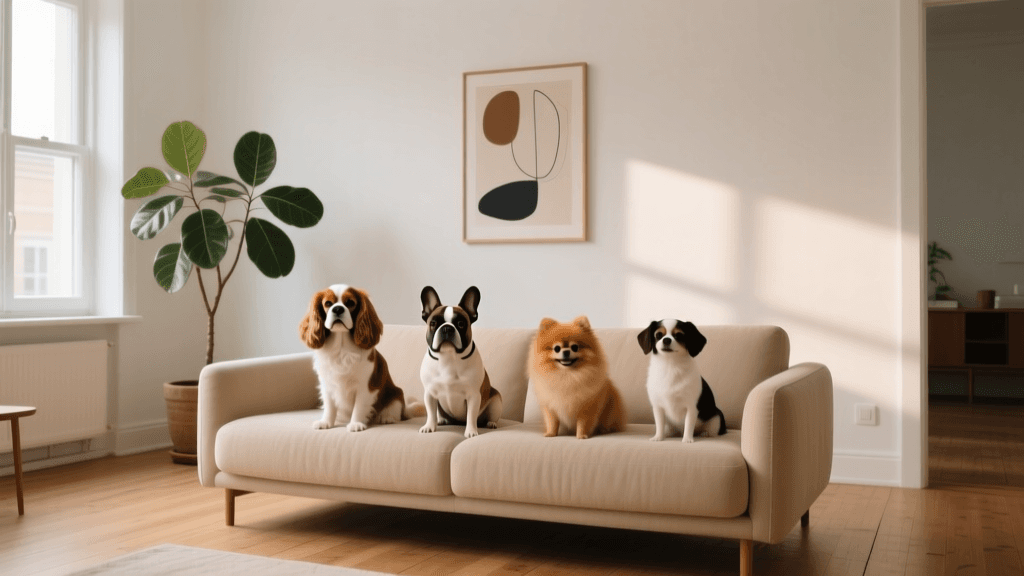
The Reality of Shared-Wall Living
Moving into an apartment or condominium doesn't mean you have to abandon the dream of dog ownership. However, sharing walls, navigating limited square footage, and adhering to strict landlord pet policies require a highly strategic approach to breed selection. While a sprawling backyard might accommodate the chaotic zoomies of a high-energy herding dog, an 800-square-foot apartment demands a companion with an 'off-switch' and a quiet demeanor. Choosing the right breed is not just about your personal preferences; it is about ensuring the welfare of the dog and maintaining a peaceful relationship with your neighbors.
Crucial Metrics for Apartment Breed Selection
When evaluating breeds for small-space living, size is actually the least important factor. A massive Great Dane is often a better apartment dweller than a tiny, vocal Terrier. Instead, focus on these three critical metrics:
- Vocalization Tendency: Barking is the number one reason for pet-related eviction notices in multi-family housing. Breeds with high alert-barking instincts (like Beagles or Miniature Schnauzers) can quickly become a liability.
- Energy vs. Endurance: You want a dog that requires moderate, manageable exercise rather than hours of intense cardiovascular activity. 'Sprinters' are often better than 'marathon runners' for apartment life.
- Separation Anxiety Propensity: Apartment dogs are often left alone while owners work. Breeds prone to severe separation anxiety may develop destructive behaviors or howl, disturbing neighbors and resulting in property damage.
Top 5 Apartment-Friendly Dog Breeds Compared
Based on temperament, exercise requirements, and noise levels, here is a comparison of five exceptional breeds for apartment living. According to the American Kennel Club (AKC), these breeds consistently rank high for adaptability to smaller environments.
| Breed | Adult Weight | Daily Exercise | Barking Level | Est. Annual Cost |
|---|---|---|---|---|
| Greyhound | 60-70 lbs | 30-45 mins | Very Low | $1,200 - $1,500 |
| Cavalier King Charles Spaniel | 13-18 lbs | 30-45 mins | Low | $1,500 - $2,000 |
| French Bulldog | 16-28 lbs | 20-30 mins | Low | $2,500 - $3,500 |
| Shiba Inu | 17-23 lbs | 45-60 mins | Moderate | $1,400 - $1,800 |
| Bichon Frise | 12-18 lbs | 30-45 mins | Low-Moderate | $1,800 - $2,200 |
1. The Greyhound: The 45-MPH Couch Potato
It is a common misconception that Greyhounds need massive amounts of space. In reality, retired racing Greyhounds are notorious couch potatoes. They sleep up to 18 hours a day and are incredibly quiet, rarely barking without a severe provocation. Because of their thin coats and lack of body fat, they are strictly indoor dogs who love curling up under a heavy blanket. Apartment Tip: Despite their lounging habits, they are large dogs. You will need to accommodate a large crate, typically measuring 42 inches long by 28 inches wide by 31 inches high, to give them a comfortable den space when you are away.
2. Cavalier King Charles Spaniel
If your apartment building enforces strict weight limits (often capping dogs at 20 or 25 pounds), the Cavalier is a premier choice. They are deeply affectionate, highly adaptable, and generally friendly with strangers and other pets in the elevator or hallway. Their exercise needs are easily met with a brisk 30-minute walk around the block. However, prospective owners must budget for regular professional grooming and be aware of potential mitral valve heart issues, which are prevalent in the breed.
3. French Bulldog
French Bulldogs are the quintessential city apartment dog. Their brachycephalic (flat-faced) anatomy means they overheat easily and require minimal, low-intensity exercise. A short stroll to a nearby dog-friendly cafe is usually more than enough to satisfy them. They are exceptionally quiet and rarely alert-bark. The primary drawback is financial; the American Veterinary Medical Association (AVMA) notes that specialized breeds often incur higher lifetime veterinary costs. Budgeting for premium pet insurance (roughly $60-$90 per month) is highly recommended for Frenchies due to their respiratory and spinal vulnerabilities.
4. Shiba Inu
For the busy professional who works long hours, the Shiba Inu offers a unique advantage: extreme independence. Unlike velcro breeds that suffer from separation anxiety, Shibas are cat-like, fastidious, and generally content being left alone in an apartment. They are also naturally quiet. The trade-off is their stubbornness on a leash and their infamous 'Shiba scream' if they are displeased at the vet or groomer. They also 'blow' their undercoat twice a year, requiring heavy-duty vacuuming in a small space.
5. Bichon Frise
For allergy sufferers living in poorly ventilated apartments, the Bichon Frise is a lifesaver. Their hair-like coat sheds minimally and traps dander. They are cheerful, highly trainable, and adapt well to indoor fetch and puzzle toys. To keep their coat from matting, you must commit to professional grooming every 4 to 6 weeks, which typically costs between $60 and $90 per session depending on your city's cost of living.
Designing Your Apartment for a Dog
Living in a small space with a dog requires intentional interior design and spatial planning. Here are practical, actionable steps to dog-proof and optimize your apartment:
Balcony Potty Stations
If you live on a high floor, rushing down three flights of stairs at 6:00 AM during a rainstorm is exhausting. If you have a balcony, measure the available floor space. A standard balcony potty tray measures 24 by 20 inches. Fill it with hydroponic grass or specialized synthetic turf that drains into a collection tray. This is especially useful for toy breeds and puppies in the midst of house training.
Soundproofing and Scratching Prevention
Shared walls mean shared noise. To mitigate the sound of your dog's claws clicking on hardwood floors (which can annoy downstairs neighbors), invest in interlocking foam floor mats or thick, low-pile area rugs. Place a heavy-duty scratch mat (like a sisal wall pad measuring 16x32 inches) near the front door to redirect scratching behaviors away from your landlord's drywall and security deposit.
'The success of an apartment dog relies 20% on the breed's genetics and 80% on the owner's commitment to mental enrichment and structured daily routines.'
The True Cost of Apartment Dog Ownership
Budgeting for a dog in an apartment extends far beyond food and toys. You must factor in housing-specific premiums. When reviewing lease agreements, look out for the following standard fees:
- Pet Deposit: A one-time, often non-refundable fee ranging from $250 to $500.
- Pet Rent: A monthly surcharge typically between $35 and $75, added directly to your base rent.
- Dog Walker Services: If you work in an office 8 hours a day, a midday dog walker in a major metropolitan area will cost $20 to $30 per walk, totaling roughly $500 per month.
- Renter's Insurance: Many landlords require you to add pet liability coverage to your renter's insurance policy, which usually increases your premium by $10 to $15 per month.
Navigating Pet-Friendly Housing Rules
Before falling in love with a breed, you must understand the legal and contractual landscape of renting with pets. The Humane Society of the United States advises renters to always get pet agreements in writing. Verbal assurances from a leasing agent are not legally binding if the property management company changes.
Be highly aware of 'Breed Specific Legislation' (BSL) and insurance blacklists. Many corporate apartment complexes ban breeds like Pit Bull Terriers, Rottweilers, German Shepherds, and Doberman Pinschers, regardless of the individual dog's temperament or training. Furthermore, some buildings enforce strict weight limits (e.g., 'No dogs over 35 lbs'). If you adopt a mixed-breed puppy that outgrows the weight limit, you may face eviction or be forced to rehome the dog. Always request a 'Pet Interview' clause in your lease, which allows management to evaluate an adult dog's behavior rather than relying solely on breed or weight restrictions.
Final Thoughts on Small-Space Selection
Ultimately, the best apartment dog is one whose energy level and social needs align seamlessly with your daily routine. A quiet, low-endurance companion will thrive in a high-rise just as well as they would in a suburban home, provided they receive adequate mental stimulation and structured outdoor time. By prioritizing temperament over size, preparing your living space with the right measurements and sound-dampening materials, and budgeting accurately for pet rent and specialized care, you can create a harmonious, joyful life with your dog in any square footage.
aaron-whyte
All our authors care for dogs every day — read more of their work on the authors page.