Trainability Compared: Best Dog Breeds For New Owners
Discover which dog breeds are easiest to train for first-time owners. Compare trainability, costs, and training timelines for top companion dogs.
Choosing the right dog breed is one of the most critical decisions a prospective owner will make. While aesthetics and size often dominate the selection process, trainability is the hidden metric that ultimately dictates the harmony of your household. For first-time owners, selecting a breed with high biddability—the innate desire to please and work with humans—can mean the difference between a frustrating behavioral struggle and a rewarding lifelong partnership. According to the American Kennel Club, understanding a breed's original purpose is essential for predicting how they will respond to modern obedience training and behavioral conditioning.
Understanding Biddability vs. Intelligence
It is a common misconception that the smartest dogs are the easiest to train. In canine psychology, intelligence refers to problem-solving ability, while biddability refers to the willingness to follow human direction. A highly intelligent but low-biddability breed, such as the Shiba Inu, may figure out how to open your refrigerator but completely ignore your recall command. Conversely, a highly biddable breed like the Golden Retriever may not independently solve complex puzzles but will eagerly sit, stay, and retrieve on command. For novice owners, prioritizing biddability ensures a smoother learning curve during the crucial 8-to-16-week socialization window.
Top 5 Most Trainable Breeds for Beginners
1. Golden Retriever
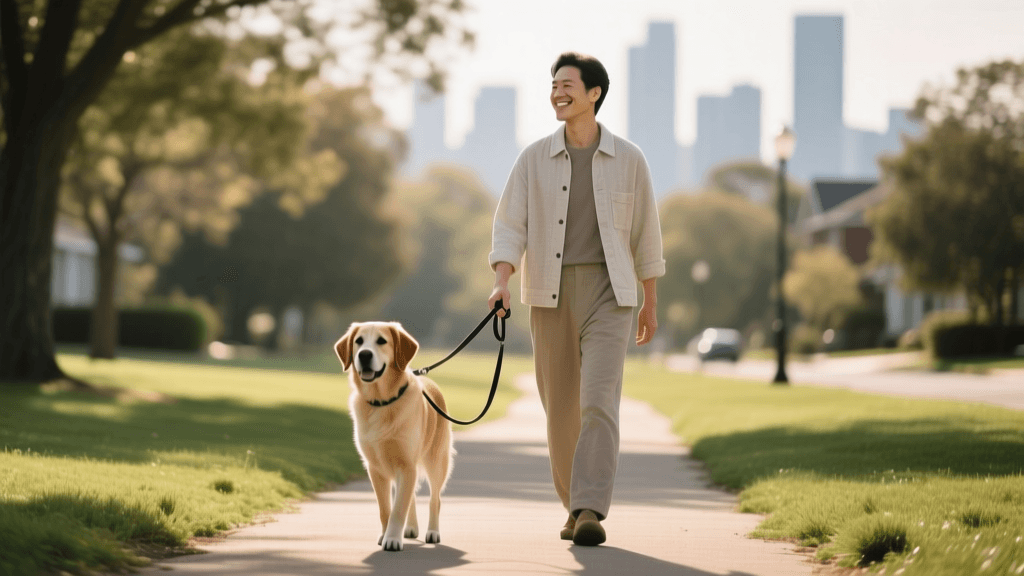
Golden Retrievers are the gold standard for first-time owners. Bred to work closely with hunters, they possess an eagerness to please that makes positive reinforcement training incredibly effective. They are highly food-motivated, meaning a simple pouch of Zuke's Mini Naturals treats can yield rapid results in basic obedience. Expect a Golden to master basic commands (sit, down, stay, recall) within 6 to 8 weeks of consistent, 15-minute daily sessions. They excel in therapy work and advanced trick training due to their soft-mouthed retrieving instinct and tolerant temperament.
2. Standard and Miniature Poodle
Poodles are exceptionally intelligent and highly biddable, ranking among the top breeds for competitive obedience and agility. Unlike some working breeds that require intense physical exertion, Poodles thrive on mental stimulation. Teaching complex trick sequences or scent-work games will satisfy their cognitive needs. First-time owners should invest in puzzle toys like the Kong Classic to keep their Poodle's mind engaged between formal training sessions. Their hypoallergenic coats are a bonus, but owners must commit to professional grooming every 6 to 8 weeks, which is a necessary part of their handling and desensitization training.
3. Labrador Retriever
Labs are energetic, food-driven, and deeply bonded to their families. Their high energy levels mean that impulse control training is a priority. Using a front-clip harness, such as the Ruffwear Front Range, can help manage pulling during the adolescent phase (6 to 18 months). Labs respond beautifully to marker-based training (using a clicker or a verbal 'yes') and are prime candidates for introductory nose-work classes, which channel their powerful scent drive into a structured, exhausting, and rewarding activity.
4. Cavalier King Charles Spaniel
For those seeking a gentle, low-to-moderate energy companion, the Cavalier is an outstanding choice. They are highly attuned to their owner's emotions and respond exceptionally well to gentle, reward-based training. Because they are sensitive dogs, harsh corrections will cause them to shut down. Focus on shaping behaviors with high-value treats and enthusiastic praise. They are highly successful in beginner agility and rally obedience, making them a versatile choice for owners who want to engage in light dog sports without the intensity of a working breed.
5. Bichon Frise
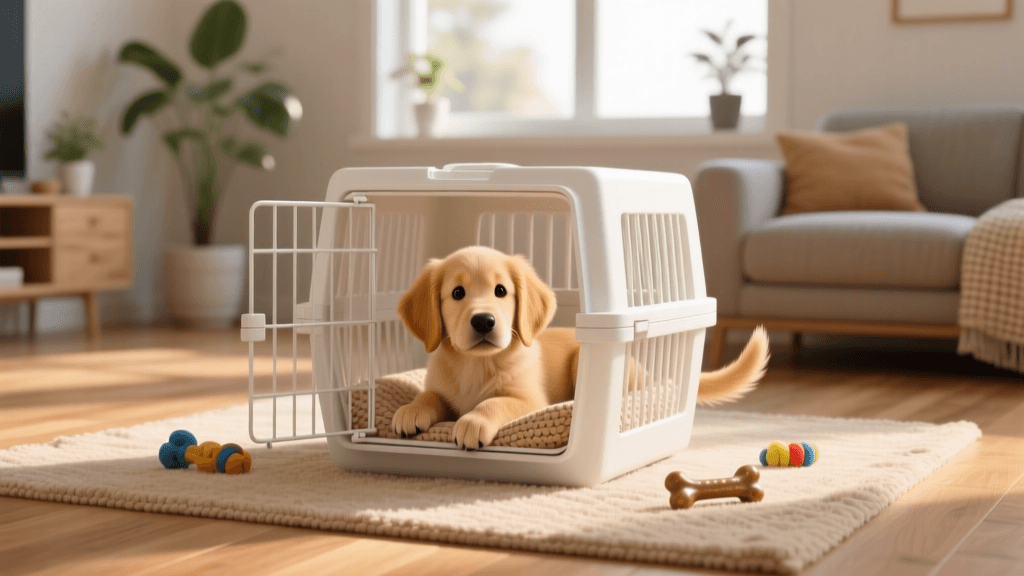
For apartment dwellers, the Bichon Frise offers a surprising level of trainability. Originally bred as companion dogs and circus performers, they love to show off and learn tricks. While their attention spans are shorter than those of larger working breeds, utilizing high-value rewards like freeze-dried chicken liver can keep them focused. Housetraining can sometimes be slower in small breeds, so strict crate training and a consistent outdoor schedule are mandatory during the first three months.
Challenging Breeds for First-Time Owners
Belgian Malinois
Often mistaken for German Shepherds, the Malinois is a high-octane working dog bred for protection and police work. They require 2 or more hours of intense physical and mental training daily. Without a job to do, they will invent destructive behaviors. This breed is strictly recommended for experienced handlers involved in bite sports, advanced agility, or search-and-rescue.
Shiba Inu
The Shiba Inu is famously independent and cat-like. They possess low biddability and a high prey drive, making off-leash recall notoriously difficult. Training a Shiba requires immense patience, high-value treats, and an acceptance that they may never achieve 100 percent reliability off-leash. They are better suited for owners who value a dog with an independent personality over one that lives to obey.
Breed Trainability Comparison Chart
| Breed | Biddability (1-10) | Time to Basic Obedience | Primary Motivation | Best Training Focus |
|---|---|---|---|---|
| Golden Retriever | 10 | 6-8 Weeks | Food / Praise | Therapy / Retrieving |
| Poodle | 9 | 4-6 Weeks | Mental Stimulation | Agility / Tricks |
| Labrador Retriever | 9 | 6-8 Weeks | Food / Scent | Nose-work / Obedience |
| Cavalier King Charles | 8 | 8-10 Weeks | Praise / Play | Rally / Companionship |
| Bichon Frise | 7 | 8-10 Weeks | Play / Treats | Tricks / Companionship |
| Shiba Inu | 3 | 12-16+ Weeks | High-Value Meat | Leash Manners / Recall |
| Belgian Malinois | 8 (High Drive) | Ongoing | Toy / Prey Drive | Protection / Advanced Sport |
Realistic Training Timelines and Budgets
According to the ASPCA, consistent, short training sessions are far more effective than infrequent, hour-long drills. For a new puppy or adult rescue, expect the following timeline and budget for foundational training:
- Weeks 8-12 (Puppy Kindergarten): Focus on socialization, bite inhibition, and basic luring. Cost: $150 to $200 for a 6-week group class series.
- Weeks 12-20 (Basic Obedience): Sit, down, stay, loose-leash walking, and foundational recall. Cost: $150 to $250 for intermediate group classes.
- Months 6-12 (Adolescent Proofing): Adding distractions, distance, and duration. Private sessions may be needed for behavioral quirks. Cost: $80 to $150 per hour for a certified private trainer.
Budgeting for training should also include the cost of high-value treats (approximately $30 to $50 per month) and replacement toys for positive reinforcement play. Group classes are highly recommended not just for obedience, but for the critical socialization aspect of being around other dogs and humans in a controlled environment.
Essential Training Gear for Success
To maximize your training efficiency, invest in the right tools from day one. Avoid aversive tools like shock collars or prong collars, as modern veterinary behaviorists strongly advocate for force-free methods. Essential gear includes:
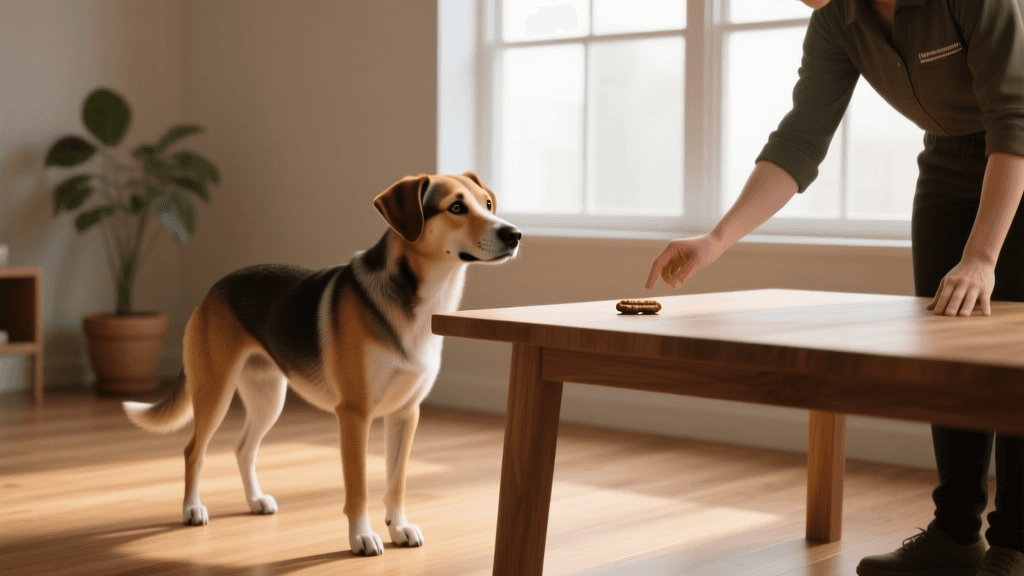
- PetSafe Clik-R Clicker: A simple, ergonomic tool for marker-based training. The sharp click sound precisely marks the exact moment the dog performs the desired behavior, bridging the gap between action and reward.
- Ruffwear Treat Trader Pouch: A wearable treat pouch with a magnetic closure allows for rapid reward delivery, which is critical when shaping fast behaviors like recall or agility obstacles.
- 15-Foot Biothane Long Line: Essential for safely practicing recall in open areas before your dog has mastered impulse control. Biothane is preferred over nylon because it does not tangle, absorb water, or burn your hands if the dog pulls.
- Snuffle Mat: Excellent for mental enrichment and decompression, particularly for high-drive breeds or anxious rescues transitioning into a new home.
The Role of Canine Cognitive Enrichment
Training is not just about obedience commands; it is also about fulfilling a dog's cognitive needs. Canine enrichment involves providing activities that stimulate a dog's natural instincts, such as foraging, chewing, and scent tracking. Incorporating enrichment into your daily routine can drastically reduce behavioral issues like excessive barking, digging, and destructive chewing. For highly trainable breeds like Poodles and Retrievers, replacing one daily meal with a frozen Kong or a scatter-feed in the yard can provide the mental fatigue necessary for a calm, well-adjusted household companion.
Conclusion
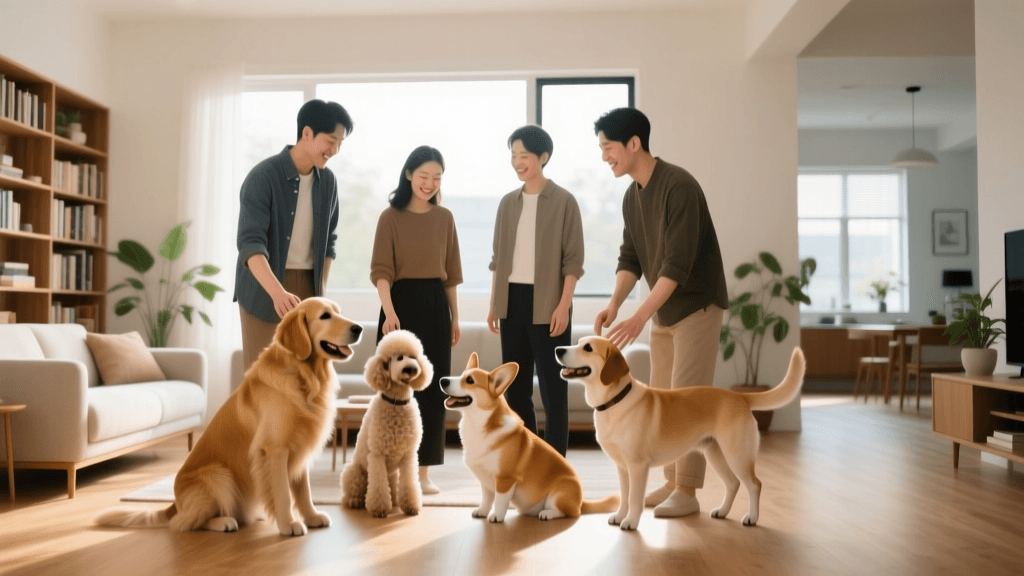
Selecting a dog based on trainability and biddability sets both you and the dog up for a lifetime of success. If you are a first-time owner, breeds like the Golden Retriever, Poodle, and Cavalier King Charles Spaniel offer a forgiving learning curve and a deep desire to work alongside you. By pairing the right breed with positive reinforcement techniques, structured timelines, and the proper gear, you will transform the daunting task of dog training into a joyful, bonding experience. Always remember that patience, consistency, and breed-appropriate expectations are your most valuable training tools.
robin-maitland
All our authors care for dogs every day — read more of their work on the authors page.