Stop Leash Pulling: Diagnose and Fix Dog Walking Issues
Discover why your dog pulls on the leash and learn proven, step-by-step solutions to transform chaotic walks into peaceful strolls.
The Frustration of the Daily Tug-of-War
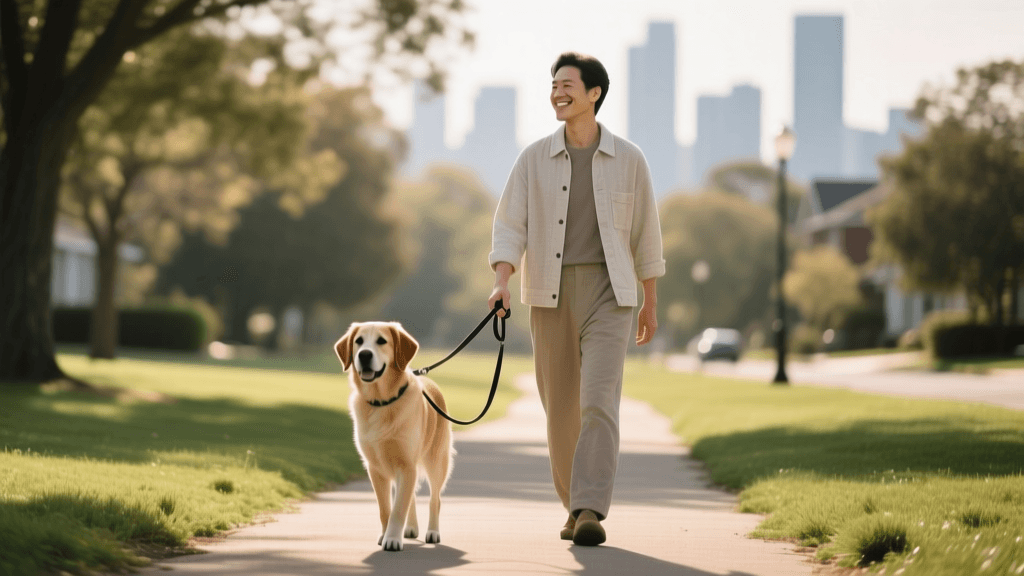
Walking your dog should be one of the most enjoyable and relaxing parts of pet ownership. It is a time to bond, explore the neighborhood, and provide essential physical and mental enrichment. However, when your dog turns a peaceful stroll into a competitive game of tug-of-war, it can lead to shoulder pain, dropped leashes, and immense frustration. According to the American Kennel Club (AKC), leash pulling is consistently ranked among the top behavioral issues reported by dog owners. To solve this problem permanently, we must move beyond quick fixes and understand the root causes of the behavior, equip ourselves with the right tools, and apply consistent, science-based training methods.
Diagnosing the Root Cause of Leash Pulling
Before implementing a solution, you must accurately diagnose why your dog is pulling. Dogs do not pull to be stubborn or dominant; they pull because it works, or because of instinctual reflexes. Identifying the primary driver will dictate your training approach.
1. The Opposition Reflex
Dogs possess a natural physiological response known as the opposition reflex (or thigmotaxis). When they feel pressure against their body, their instinct is to push against it. If you pull back on a tight leash, your dog will instinctively pull forward with equal or greater force. This is why physically wrestling with a strong dog rarely yields long-term results.
2. Learned Behavior and Excitement
For many dogs, pulling is a learned behavior that has been accidentally reinforced. If a dog pulls toward a fire hydrant to sniff, and the owner follows, the dog learns a simple equation: Pulling = Getting to the destination faster. Excitement-driven pulling is common in adolescent dogs and high-energy breeds like Huskies, Pointers, and Terriers who view the walk as a high-speed commute to the park.
3. Fear, Anxiety, and Reactivity
If your dog pulls specifically toward other dogs, cyclists, or loud noises while barking or lunging, the root cause is likely fear or reactivity. In these cases, the dog is pulling to create distance from a perceived threat (flight) or to intimidate the trigger (fight). This requires a specialized behavioral modification approach rather than standard obedience training.
Choosing the Right Gear: A Comparative Guide
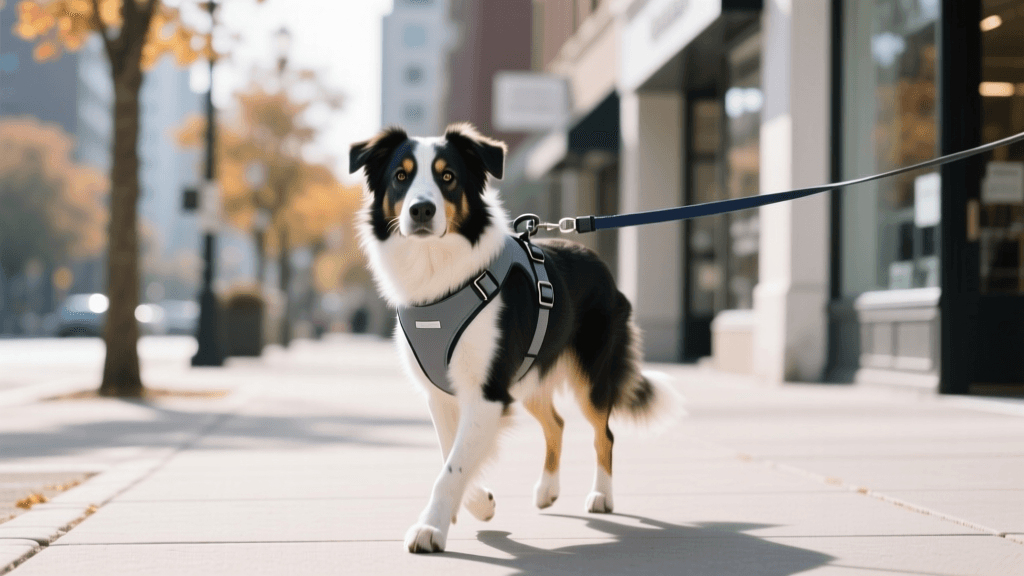
The right equipment will not train your dog by itself, but it will provide you with the mechanical advantage needed to communicate effectively without causing harm. The Humane Society of the United States strongly recommends against using choke chains or prong collars, as these rely on pain and can exacerbate behavioral issues. Instead, opt for humane, force-free tools.
| Equipment Type | Brand Example | Est. Cost | Best Used For | Pros & Cons |
|---|---|---|---|---|
| Front-Clip Harness | Ruffwear Front Range | $35 - $45 | Strong, excited pullers | Pros: Redirects forward momentum safely. Cons: Can cause chafing if left on 24/7. |
| Head Halter | PetSafe Gentle Leader | $15 - $25 | Giant breeds, extreme pullers | Pros: Maximum control with minimal force. Cons: Requires slow desensitization to wear. |
| Back-Clip Harness | Kurgo Tru-Fit | $25 - $40 | Small dogs, non-pullers | Pros: Comfortable, safe for tracheas. Cons: Encourages pulling (sled-dog effect). |
| Standard Flat Collar | Any Nylon/Leather | $10 - $20 | Dogs already leash-trained | Pros: Simple, holds ID tags. Cons: High risk of tracheal damage if dog pulls. |
Pro Tip: Always use a standard 4-to-6-foot nylon or leather leash for training. Avoid retractable leashes entirely during the training phase, as they teach the dog that pulling extends the leash, directly reinforcing the unwanted behavior.
Proven Step-by-Step Training Solutions
Once you have diagnosed the cause and selected a front-clip harness or head halter, it is time to implement active training. Consistency is your greatest asset. Every single walk must be a training session until the behavior is extinguished.
Method 1: The 'Be a Tree' Technique (For Excitement Pulling)
This method teaches the dog that tension on the leash results in a complete loss of forward momentum.
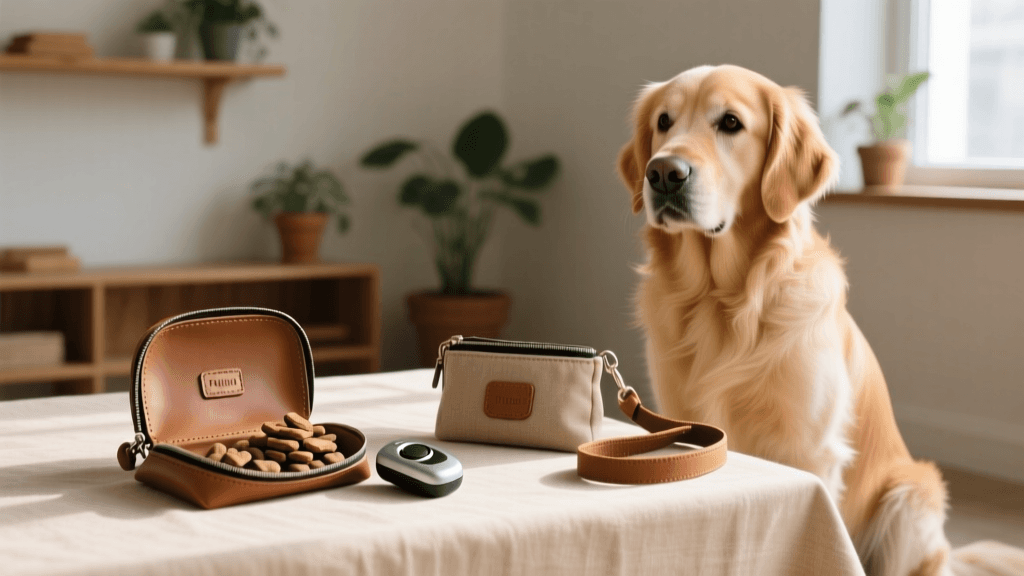
- Step 1: Begin walking with a loose leash. Keep high-value treats in a pouch at your waist.
- Step 2: The moment the leash becomes tight and the clip on the harness engages, stop walking immediately. Become completely still—'be a tree'.
- Step 3: Do not yank the leash or yell. Simply wait. Your dog will eventually look back at you or take a step backward to relieve the tension.
- Step 4: The second the leash goes slack, mark the behavior with a verbal 'Yes!' or a clicker, and resume walking.
Method 2: The U-Turn or 'Penalty Yard' (For Persistent Pullers)
If your dog ignores the 'Be a Tree' method and continues to lean into the harness, use the U-Turn method to reset their focus.
- Step 1: Walk forward. When the dog pulls to the end of the 6-foot leash, immediately turn 180 degrees and walk in the opposite direction.
- Step 2: Do not jerk the leash; let the dog feel the natural consequence of hitting the end of the line.
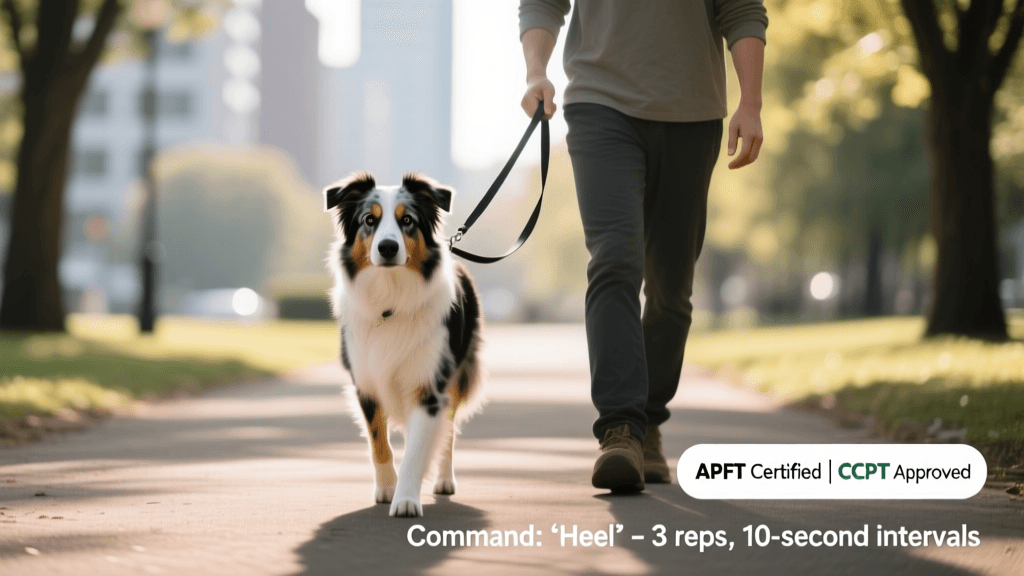
- Step 3: When the dog catches up to you and is walking by your side, reward them with a treat placed right at the seam of your pants to reinforce the 'heel' position.
- Step 4: Turn back toward your original destination. Repeat as necessary. You may only walk 20 feet in the first week, but you are building a lifelong habit.
Method 3: Engage-Disengage Game (For Reactive Pullers)
If your dog pulls and lunges at triggers (other dogs, skateboards), you must work below their 'threshold'—the distance at which they notice the trigger but do not react aggressively.
- Step 1: Find a distance (e.g., 30 feet) where your dog can see the trigger but remains calm enough to eat treats.
- Step 2: When your dog looks at the trigger, click your clicker or say 'Yes!' before they pull.
- Step 3: Feed a high-value treat. This builds a positive emotional response to the trigger.
- Step 4: Over weeks, gradually decrease the distance by 2 to 3 feet per session, provided the dog remains under threshold.
The Science of Timing, Treats, and Rewards
To outcompete the environment, your rewards must be highly motivating. Dry kibble rarely works on a walk filled with the smells of squirrels and other dogs. Use high-value, soft, and smelly treats such as Zuke's Mini Naturals, freeze-dried beef liver, or boiled chicken breast. Cut treats into pea-sized (1/4-inch) cubes so your dog can consume them quickly without stopping the walk. A typical 30-minute training walk might require 40 to 60 tiny treats, costing only about $1 to $2 per session based on bulk treat pricing.
Timing is equally critical. According to canine behavioral science, a reward must be delivered within 0.5 seconds of the desired behavior for the dog to make the association. Using a mechanical clicker helps bridge the gap between the exact moment the leash goes slack and the moment the treat reaches the dog's mouth.
Why Punishment and Aversives Fail
Many owners resort to leash pops, choke chains, or electronic shock collars out of sheer exhaustion. However, the American Veterinary Society of Animal Behavior (AVSAB) explicitly advises against the use of punishment-based training. Aversive tools suppress the outward symptom (pulling) through pain or fear, but they do not change the dog's underlying emotional state. In reactive dogs, pairing the sight of another dog with the pain of a collar correction often leads to escalated aggression and a deteriorating human-animal bond. Positive reinforcement builds trust, confidence, and reliable off-leash obedience over time.
When to Seek Professional Help
If you have consistently applied these methods for 4 to 6 weeks without improvement, or if your dog's pulling is accompanied by severe leash reactivity, biting, or extreme panic, it is time to consult a professional. Look for a certified dog behavior consultant (CDBC) or a veterinary behaviorist who utilizes force-free, evidence-based methods. Remember, behavioral conditioning is a marathon, not a sprint. With patience, the right gear, and consistent reinforcement, you can transform your chaotic walks into the peaceful strolls you and your dog both deserve.
anouk-beaumont
All our authors care for dogs every day — read more of their work on the authors page.