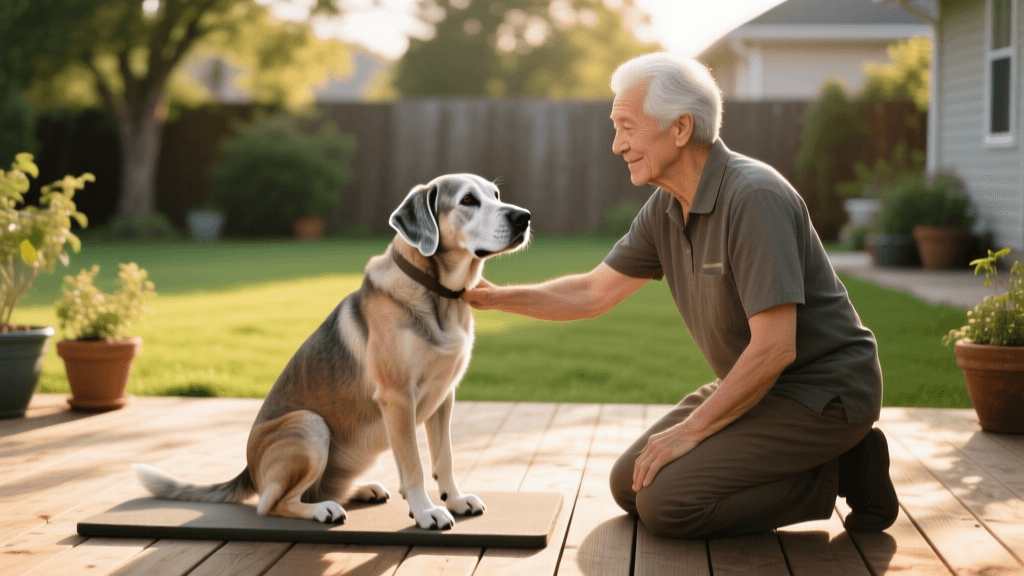
Train Your Dog for Outdoor Cafes and Travel Adventures
Learn how to train your dog to settle calmly at outdoor cafes and breweries. Step-by-step obedience tips for stress-free travel adventures.

The Rise of Dog-Friendly Travel and Cafe Culture
Traveling with your dog has never been more popular. From scenic road trips in RVs to weekend getaways in pet-friendly cities, the modern dog owner wants their furry companion by their side. However, the cornerstone of any successful dog-friendly travel adventure is impeccable public manners. Nowhere is this more evident than at outdoor cafes, breweries, and al fresco dining patios. A dog that can settle calmly under a table while their owner enjoys a meal is a welcome guest anywhere; a dog that barks at passing waiters or lunges at neighboring dogs can quickly turn a relaxing vacation into a stressful ordeal.
Teaching your dog cafe etiquette is not just about obedience; it is about behavioral conditioning and environmental socialization. According to the American Veterinary Medical Association (AVMA), ensuring your pet is comfortable and well-behaved in new environments is a critical component of safe and enjoyable travel. This comprehensive guide will walk you through the exact training protocols, gear requirements, and troubleshooting strategies needed to master the 'settle' command in high-distraction public spaces.
Essential Gear for Outdoor Training
Before you begin your training journey, you must equip yourself with the right tools. Relying on standard walking gear often fails in a cafe setting where durability, safety, and comfort are paramount. Retractable leashes are strictly prohibited in most dog-friendly establishments due to the trip hazard they pose to waitstaff and other patrons.
| Item | Recommended Product | Specs & Measurements | Est. Cost |
|---|---|---|---|
| Training Mat | Kurgo Loft Dog Bed | 36 x 24 inches, water-resistant, portable | $45.00 |
| Leash | Ruffwear Front Range Leash | 5 feet, dual-handle, padded | $30.00 |
| Treat Pouch | Outward Hound Treat Tote | 8 x 6 inches, wipeable interior | $15.00 |
| Long-Lasting Chew | West Paw Qwizl | 6.5 inches, dishwasher safe | $20.00 |
| High-Value Treats | Zuke's Mini Naturals | 16 oz bag, low calorie, soft | $8.00 |
Investing in a dedicated, portable training mat (like the Kurgo Loft) provides a visual boundary for your dog. The mat becomes a 'safe zone' cue, signaling to your dog that it is time to relax, regardless of the geographic location.
Mastering the 'Place' Command at Home
You cannot expect your dog to perform in a chaotic brewery if they have not mastered the behavior in your quiet living room. The foundation of cafe etiquette is the 'Place' or 'Settle' command. The ASPCA's dog training guidelines emphasize that positive reinforcement and clear markers are the most effective ways to teach stationary commands.
Phase 1: Luring and Marking
Start in a low-distraction room. Place your training mat on the floor. Hold a high-value treat, such as a Zuke's Mini Natural, near your dog's nose and slowly lure them onto the mat. The moment all four paws touch the mat, use a marker word like 'Yes!' or a clicker, and deliver the treat.
- Session Timing: Keep sessions short—no more than 5 minutes per session, 2 to 3 times a day.
- Repetitions: Aim for 10 to 15 successful reps per session.
- Fading the Lure: After 5 successful lures, switch to an empty hand gesture, then mark and reward from your treat pouch when they step on the mat.
Phase 2: Adding the Verbal Cue and Duration
Once your dog is confidently stepping onto the mat for the hand signal, introduce the verbal cue 'Place' or 'Mat' just before you give the signal. To build duration, delay your marker by one second, then two, then five. Feed treats continuously while they remain on the mat to reinforce that staying put is highly rewarding. If they break the mat, calmly guide them back without giving a treat, and reset the timer.
Proofing the Behavior: The Three Ds
In dog training, the 'Three Ds' stand for Duration, Distance, and Distraction. A common mistake owners make is increasing all three simultaneously. To successfully proof the 'Place' command for travel, you must isolate these variables.
1. Duration
Work up to your dog staying on the mat for 15 to 20 minutes at home. Use a long-lasting chew, like the West Paw Qwizl stuffed with frozen plain yogurt or peanut butter, to keep them occupied. This mimics the average time it takes to eat a meal at a cafe.
2. Distance
Begin taking steps away from the mat. Step back one foot, return, and reward. Gradually increase your distance until you can sit in a chair across the room while your dog remains anchored to their mat. This is crucial for cafe settings where the dog must stay under the table while the owner sits in a chair above them.
3. Distraction
Introduce mild distractions at home. Drop a set of keys on the floor, open the front door, or have a family member walk past. If your dog stays on the mat, reward heavily. If they break, reduce the intensity of the distraction and try again.
Managing Trigger Stacking in Public Spaces
When transitioning to an outdoor cafe, you must understand the psychological concept of 'trigger stacking.' Trigger stacking occurs when a dog experiences multiple stressors or exciting stimuli in quick succession, causing their cortisol and adrenaline levels to compound. A passing skateboarder might not cause a reaction, but a passing skateboarder followed by a dropping tray, followed by a barking dog, can push your dog over their behavioral threshold.
Expert Insight: 'Dogs do not possess infinite emotional reservoirs. When traveling and visiting busy public spaces, owners must proactively manage their dog's environment to prevent trigger stacking. If your dog shows signs of panting, lip licking, or whale eye, it is time to exit the environment and allow their nervous system to reset.'
To mitigate trigger stacking, the American Kennel Club's Canine Good Citizen program suggests practicing controlled exposures to public spaces before expecting prolonged periods of calm. Always choose a table at the perimeter of the patio, facing outward, so your dog can see approaching stimuli rather than being surprised from behind.
The First Cafe Trial Run: A Step-by-Step Guide
Your first real-world training session should not be during a busy Saturday brunch. Set your dog up for success by following this strict protocol for your trial run:
- Timing is Everything: Arrive during off-peak hours, such as a Tuesday at 10:30 AM or 2:30 PM. The patio should be mostly empty.
- Pre-Exercise: Before arriving, engage your dog in 30 to 45 minutes of vigorous physical and mental exercise. A tired dog is much more likely to settle than a dog with pent-up energy.
- The Setup: Choose a corner table. Lay down your Kurgo training mat under the table. Step on the edge of the leash with your foot (the 'leash tie-down' method) to prevent the dog from wandering if they break their stay, but keep the slack comfortable enough for them to lie down.
- The Engagement: Immediately hand them a frozen Qwizl chew. This provides a positive association with the cafe environment and gives them a job to do.
- The Exit Strategy: Keep the first visit to just 15 minutes. Leave while the dog is still calm and successful, rather than waiting for them to get bored and start whining.
Troubleshooting Common Cafe Distractions
Even with meticulous preparation, challenges will arise. Here is how to handle the most common outdoor dining distractions:
- The Dropped Food: Waitstaff will inevitably drop food. Teach your dog a 'Leave It' command at home using low-value kibble before progressing to high-value human food. If food drops near the table, use your leash to gently prevent access while cueing 'Leave It', then reward with a treat from your pouch.
- Approaching Strangers: Many well-meaning patrons will reach for your dog. Advocate for your pet by placing a small sign on your chair that reads 'In Training: Please Ask Before Petting.' If someone approaches, toss a handful of treats on the mat to keep your dog's focus downward.
- Other Dogs Passing By: Play the 'Look at That' (LAT) game. When your dog notices a passing dog, mark 'Yes' the moment they look at it, and feed a treat on their mat. This conditions your dog to associate passing dogs with receiving treats on their mat, rather than feeling the need to lunge or bark.
Conclusion: Patience Yields the Perfect Travel Companion
Training your dog for outdoor cafes and travel adventures is a marathon, not a sprint. It requires consistency, high-value reinforcement, and a deep understanding of your dog's stress signals. By systematically building the 'Place' command, utilizing the proper gear, and carefully managing environmental distractions, you will transform your dog into a polite, relaxed patron. Ultimately, this training not only grants you access to hundreds of dog-friendly establishments worldwide but also deepens the bond of trust and communication between you and your canine travel companion.
priya-sutaria
All our authors care for dogs every day — read more of their work on the authors page.