Smart Pet Cameras for Dog Training: A Complete Gear Guide
Discover how smart pet cameras and automated treat dispensers can transform solo dog training, ease separation anxiety, and reinforce obedience.

The Rise of Tech-Enabled Dog Training
The landscape of canine behavioral conditioning has shifted dramatically over the last decade. While traditional obedience training relies heavily on in-person leash handling, physical pressure, and marker-based communication, modern dog owners face a unique and growing challenge: teaching dogs how to be comfortably alone. With the recent transition from remote work back to office environments, separation anxiety and solo-settling have become primary concerns for veterinary behaviorists. Fortunately, the intersection of pet care and consumer technology has birthed a new category of training equipment. Smart pet cameras, automated treat dispensers, and programmable feeders are no longer just novelty gadgets for checking in on your pet; they are precision tools for desensitization, counter-conditioning, and remote reinforcement.
Why Integrate Smart Gear into Your Training Routine?
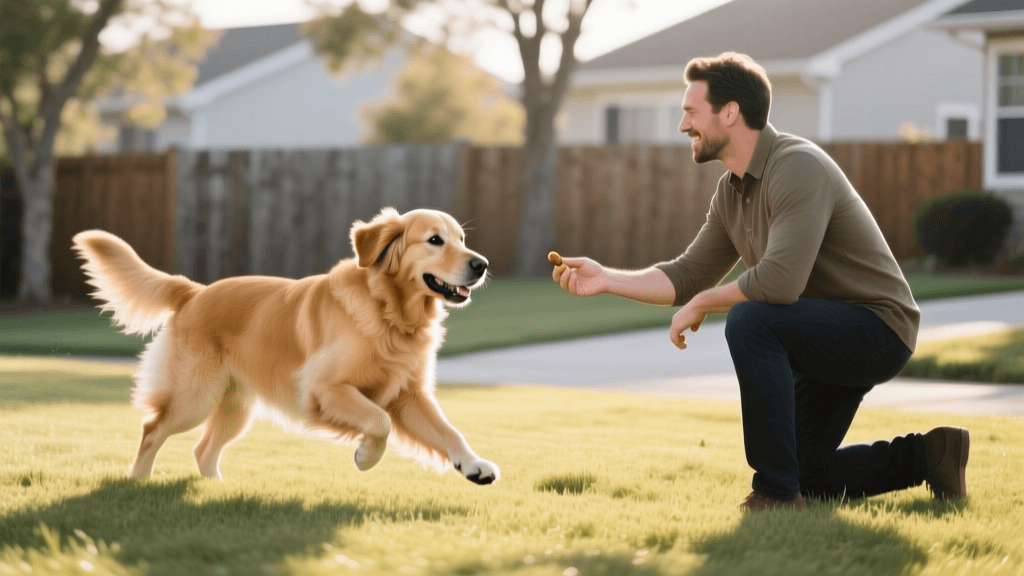
According to the ASPCA, separation anxiety is one of the most prevalent behavioral issues in domestic dogs, characterized by destructive behavior, vocalization, and inappropriate elimination when left alone. Traditional training for independence requires the owner to repeatedly leave and return to desensitize the dog, which is time-consuming and difficult to track objectively. Smart gear bridges this gap by allowing owners to monitor physiological stress signals like pacing, panting, or whining, deliver perfectly timed remote rewards, and gradually extend absence durations without the guesswork. By utilizing two-way audio and remote treat tossing, trainers can mark and reward calm behavior from miles away, effectively turning a solitary confinement experience into an interactive training session.
Top Smart Cameras and Treat Dispensers for Remote Training
1. Furbo 3rd Gen Dog Camera (Best for Treat Tossing)
Estimated Cost: $150 - $210
Key Specs: 1080p/4K video, 130-degree wide-angle lens, motorized treat tosser.
The Furbo is widely considered the gold standard for remote interactive training. Its motorized hopper holds roughly 30 standard-sized training treats and can launch them up to six feet away. The built-in barking alert sends a push notification to your smartphone, allowing you to intervene with two-way audio or a treat toss before the dog enters a full panic state. The treat toss mechanism is particularly useful for playing remote "find it" scent games, which provide crucial mental enrichment that tires dogs out faster than physical exercise.
2. Petcube Bites 2 Lite (Best for Interactive Play)
Estimated Cost: $100 - $150
Key Specs: 1080p HD, treat tossing, laser pointer integration.
The Petcube Bites 2 offers a slightly more budget-friendly alternative with excellent treat-dispensing capabilities. While it features a built-in laser pointer, professional trainers generally advise caution when using lasers with dogs due to the risk of obsessive-compulsive light-chasing behaviors. However, the treat-tossing feature paired with its wide-angle lens makes it an excellent tool for rewarding a dog for staying on their "place" mat while you are in another room or out of the house.
3. Eufy Security Indoor Cam Pan & Tilt (Best Budget Monitor)
Estimated Cost: $40 - $60
Key Specs: 2K resolution, 360-degree motorized pan/tilt, crystal-clear two-way audio.
While the Eufy lacks a treat dispenser, its superior audio quality and auto-tracking capabilities make it ideal for monitoring obedience adherence. The 360-degree pan allows you to follow your dog's movements around the room, ensuring they are not engaging in destructive behaviors when left alone. The low-latency two-way audio is perfect for delivering verbal markers like "Yes" or "Good settle" to reinforce calm behavior.
Step-by-Step: Conditioning Independence with Smart Cameras
To effectively use smart gear for behavioral conditioning, you must follow a structured protocol. Simply tossing treats randomly will not cure anxiety; it must be paired with systematic desensitization.
Phase 1: Baseline Recording (Days 1-3)
Before initiating any active training, you must understand your dog's baseline stress response. Set up your smart camera at a vantage point that captures both the exit door and your dog's primary resting area. Perform your standard departure routine—putting on shoes, grabbing keys, and opening the door—but only leave for three to five minutes. Review the footage to identify the exact moment your dog's anxiety spikes. Does the pacing begin when you touch the doorknob, or only after the door clicks shut? Identifying these micro-triggers is essential for the next phase.
Phase 2: The Remote Marker Protocol (Days 4-10)
Once you know your dog's triggers, begin counter-conditioning. Leave the house for short intervals (5 to 10 minutes). Use the camera to monitor your dog. The moment they choose to lie down on their mat or exhibit relaxed body language (soft eyes, slow breathing), use the two-way audio to say your marker word (e.g., "Yes"), followed immediately by a remote treat toss. This reinforces the "settle" command remotely and teaches the dog that calm behavior in isolation yields high-value rewards.
Phase 3: Systematic Desensitization (Days 11+)
Gradually increase your absence by 2-minute to 5-minute increments, using the camera to ensure the dog remains under their anxiety threshold before returning. If the dog begins to pace or vocalize, you have pushed too far, too fast. Return to the previous successful time increment and proceed more slowly.
Gear Comparison Chart: Smart Training Equipment
| Device | Price Range | Treat Toss | Pan/Tilt | Best Use Case |
|---|---|---|---|---|
| Furbo 3rd Gen | $150 - $210 | Yes | No | Remote treat marking and scent games |
| Petcube Bites 2 | $100 - $150 | Yes | No | Interactive play and basic monitoring |
| Eufy Pan & Tilt | $40 - $60 | No | Yes | Budget monitoring and audio markers |
Automated Feeders as Crate Training Tools
Beyond cameras, programmable automated feeders (such as the PetSafe 5-Meal or WOPET dispensers, typically costing $60 to $90) are invaluable for crate training and schedule conditioning. When utilizing an automated feeder for crate conditioning, timing is everything. The goal is to shift the dog's emotional response from "my owner is leaving" to "my owner leaving means breakfast is served."
Start by placing the programmable feeder at the very back of the crate. Set the timer to dispense a highly palatable meal exactly two minutes after your typical departure time. This creates a positive emotional bridge. Over successive weeks, you can delay the feeding time by five-minute increments, effectively teaching the dog that your absence is not only safe but temporarily predictive of high-value rewards. The ASPCA crate training guidelines heavily emphasize making the crate a positive, rewarding environment, and automated feeders achieve this without requiring your physical presence.
Expert Insights and Training Limitations
While technology offers unprecedented access to our pets' solo behaviors, it is vital to understand its limitations. The Humane Society of the United States notes that while management tools and tech can aid in desensitization, they do not replace the need to address underlying emotional distress. If a dog is already in a state of high panic, a treat toss will be ignored, as the sympathetic nervous system overrides the digestive drive. A dog in a full-blown anxiety state cannot eat, meaning remote treat dispensers are useless during an active panic attack.
Therefore, tech should be used strictly for prevention and conditioning below the dog's anxiety threshold, not as a band-aid for acute distress. Furthermore, two-way audio can sometimes confuse dogs; hearing your voice without seeing you can trigger frustration or increased searching behavior in some highly bonded dogs. Always test your dog's reaction to two-way audio while you are simply in another room before relying on it when you are away from home.
Final Thoughts
Integrating smart pet cameras and automated dispensers into your training repertoire transforms the way you approach independence and obedience. By providing objective data on your dog's stress levels and allowing for perfectly timed remote reinforcement, these tools empower owners to build confidence in their dogs, even when they cannot be in the same room. When paired with patience, systematic desensitization, and a solid foundation of positive reinforcement, modern pet tech becomes an indispensable asset in the modern dog trainer's toolkit.
marcus-aldridge
All our authors care for dogs every day — read more of their work on the authors page.