Top Breeds for Agility Training: A Detailed Comparison
Compare Border Collies, Australian Shepherds, and Golden Retrievers for agility training. Discover breed-specific tips, costs, and essential gear.
Selecting the Right Breed for Advanced Obedience and Agility
When embarking on the journey of competitive dog training, agility, and advanced obedience, selecting the right breed is just as critical as the training methodology itself. While every dog is capable of learning foundational manners, the drive, focus, and physical mechanics required for high-level agility and off-leash obedience vary drastically across breed groups. For prospective owners and handlers looking to compete or simply achieve a pinnacle level of canine athleticism, understanding the nuances between herding and sporting breeds is essential.
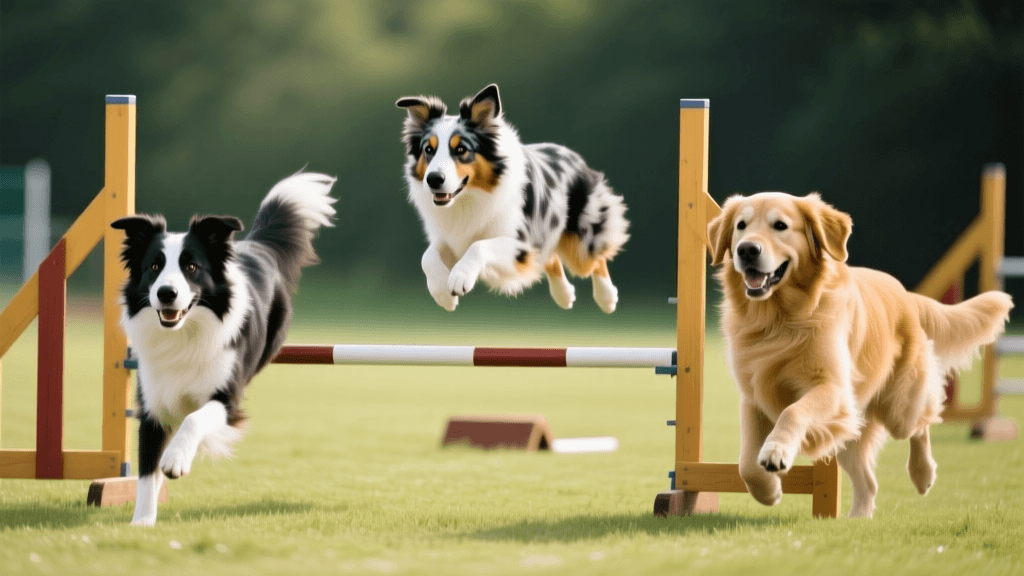
In this comprehensive guide, we compare three of the most popular breeds seen on the agility course and in obedience rings: the Border Collie, the Australian Shepherd, and the Golden Retriever. We will break down their innate drives, ideal training session structures, and the specific gear required to maximize their potential, ensuring you make an informed decision before bringing your next training partner home.
Breed Comparison Chart: Trainability and Drive
Before diving into breed-specific methodologies, it is helpful to visualize how these three powerhouse breeds compare across key training metrics. The following table outlines their primary motivations, average focus spans, and ideal training structures.
| Metric | Border Collie (Herding) | Australian Shepherd (Herding) | Golden Retriever (Sporting) |
|---|---|---|---|
| Primary Drive | Movement / Eye-Stalk | Handler Focus / Territory | Food / Retrieve |
| Trainability Score | 10/10 | 9/10 | 8.5/10 |
| Average Focus Span | High (but prone to over-arousal) | Moderate-High (easily distracted by environment) | Moderate (sustained by reward history) |
| Ideal Session Length | 5-10 minutes (high intensity) | 10-15 minutes (structured) | 15-20 minutes (play-based) |
| Best Reward Type | Tug toys, movement, sheep | Praise, fetch, high-value treats | Food, tennis balls, verbal praise |
Deep Dive: Training the Border Collie
The Border Collie is widely considered the apex predator of the agility world. According to the American Kennel Club's agility guidelines, their explosive speed and tight turning radius make them unmatched on technical courses. However, their intense 'eye-stalk-chase' herding instinct means they are highly reactive to movement. This can lead to neurotic behaviors, such as shadow-chasing or car-reactivity, if not properly channeled.
Managing Over-Arousal
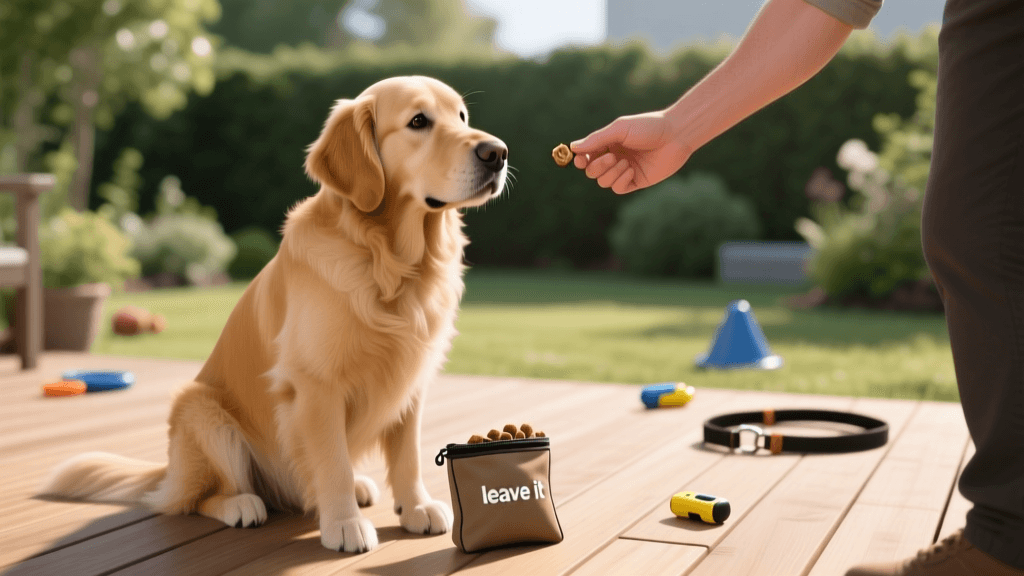
The biggest mistake handlers make with Border Collies is over-training. Because they will work until they collapse, it is the handler's job to enforce rest. Training sessions should be capped at 5 to 10 minutes of high-intensity work. To build impulse control, incorporate the 'It's Yer Choice' game, where the dog must ignore treats in your open hand until given a release cue.
- Mental Enrichment: Use puzzle toys like the Outward Hound Dog Brick to tire them out mentally without adding physical strain to their joints.
- Arousal Regulation: Teach a solid 'settle' or 'place' command on a raised cot (like the Kuranda bed) to teach the dog how to turn off their drive.
Deep Dive: Training the Australian Shepherd
Australian Shepherds are incredibly versatile and form intense bonds with their handlers. Unlike the Border Collie, which is often obsessed with the task itself, the Aussie is obsessed with the handler. This makes them highly biddable but also prone to handler-frustration and reactivity if they feel confused or unprotected in busy environments.
Socialization and Threshold Training
Because Aussies were bred to guard the flock as well as herd it, they possess a natural wariness of strangers and novel stimuli. The AKC's puppy training timeline emphasizes that the critical socialization window closes around 16 weeks, making early, positive exposure vital. For adolescent Aussies showing reactivity on the agility field, threshold training is mandatory.
Pro Tip: Play the 'Look at That' (LAT) game. When your Aussie spots a distraction (like another dog running the course), mark the moment they look at it with a clicker, and reward them for looking back at you. This rewires their brain to associate distractions with paying attention to you.
- Space Management: Use a 15-foot biothane long line during outdoor recall training to give them space while maintaining safety.
- Confidence Building: Introduce wobble boards and inflatable fitness discs (like those from FitPaws) to build core strength and environmental confidence.
Deep Dive: Training the Golden Retriever
Golden Retrievers bring a joyful, forgiving nature to the training field. As a sporting breed, they lack the intense, sometimes neurotic edge of the herding breeds, making them exceptional choices for first-time competitive handlers. Their soft mouths and natural retrieving instincts make them highly motivated by toy-based rewards, which is a massive advantage in high-distraction environments.
Leveraging the Retrieve Drive
While they may not match the raw speed of a Border Collie, Goldens excel in obedience and rally due to their precision and eagerness to please. To maintain their enthusiasm, keep training sessions heavily play-based. A common issue with Goldens in agility is 'sniffing' or losing focus mid-run. This is usually a symptom of a low rate of reinforcement.
- Reward Placement: Deliver treats or toys exactly where you want the dog's head to be. For weave pole entries, reward low and close to the first pole.
- Physical Conditioning: Goldens are prone to hip and elbow dysplasia. Incorporate low-impact swimming and avoid repetitive high-jumping until their growth plates close at around 18-24 months.
Actionable Training Timelines and Costs
Regardless of the breed you select, structured training requires a financial and temporal investment. Below is a realistic breakdown of what to expect when preparing a dog for competitive obedience or agility.
Estimated Costs for Training Classes
- Puppy Kindergarten (8-16 weeks): $120 - $180 for a 6-week course. Focuses on basic manners, bite inhibition, and socialization.
- Intermediate Obedience (6-12 months): $150 - $250. Introduces off-leash heeling, distance commands, and proofing against distractions.
- Agility Foundations (12+ months): $200 - $350 per session. Focuses on flat-work, obstacle introduction, and handling mechanics. Note: Dogs should not jump full heights until their growth plates are closed.
Timeline to Competition Readiness
Expect to spend 18 to 24 months training a dog from puppyhood to their first competitive agility trial. Herding breeds may grasp the technical handling faster, but sporting breeds often require less time spent on behavioral modification and arousal regulation, balancing out the overall timeline.
Essential Gear for Breed-Specific Training
Having the right equipment can drastically reduce training friction. The ASPCA's resources on dog behavior highlight that using improper gear can exacerbate pulling and reactivity. Here is a curated list of professional-grade training gear tailored to high-drive breeds.
- Harness: The Ruffwear Front Range Harness ($39.95) features a front chest clip that gently redirects pulling, making it ideal for strong Aussies and Goldens during heel-work.
- Leash: A standard 4-foot leather or biothane leash for close-quarters obedience, and a 15-foot long line for recall proofing. Avoid retractable leashes, which teach dogs to pull against tension.
- Clicker: The Karen Pryor i-Click ($4.50) provides a quiet, distinct mechanical sound that is less likely to startle sensitive herding breeds compared to traditional box clickers.
- Treat Pouch: The Kurgo Dog Treat Training Pouch ($15.99) features a magnetic closure for lightning-fast reward delivery, crucial for marking precise agility contacts.
- High-Value Treats: Zuke's Mini Naturals (approx. $8.99 per bag). At only 3 calories per treat, they allow for high-repetition training without causing gastrointestinal upset or unwanted weight gain.
Conclusion
Choosing between a Border Collie, an Australian Shepherd, and a Golden Retriever ultimately comes down to your lifestyle, experience level, and training goals. If you thrive on high-octane speed and have the time to manage intense drives, the herding breeds are unparalleled. If you prefer a balanced, forgiving partner with a strong retrieve drive and a softer temperament, the Golden Retriever is a phenomenal choice. By understanding their unique behavioral blueprints and investing in the right foundational training, you can build a deeply rewarding partnership with any of these incredible breeds.
aaron-whyte
All our authors care for dogs every day — read more of their work on the authors page.