Senior Dog Training: Cognitive Enrichment & Gentle Obedience
Discover how to train your senior dog with gentle obedience and cognitive enrichment. Learn age-appropriate exercises, routines, and joint-safe tricks.
The Myth of the "Old Dog"
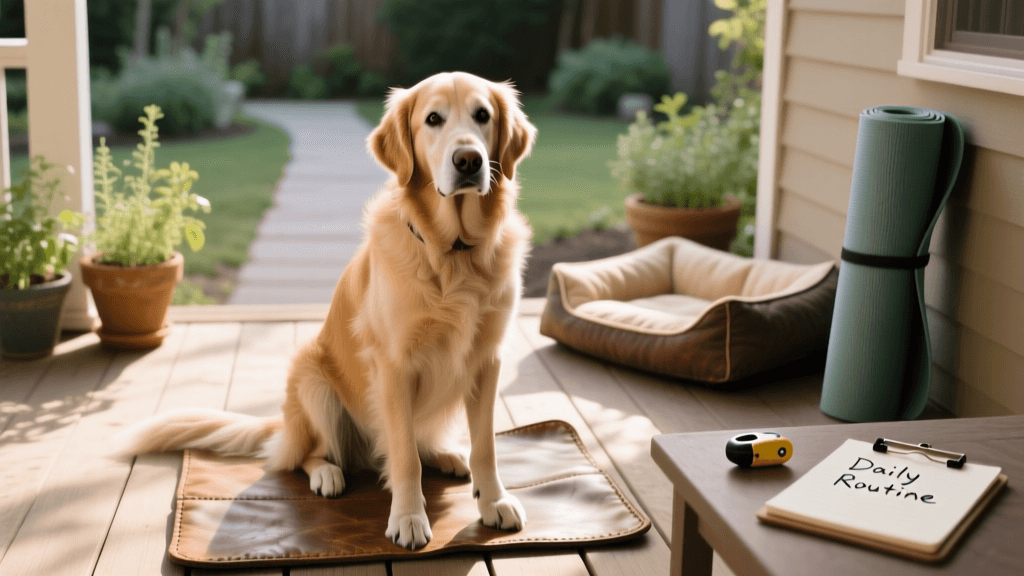
The old adage that "you can't teach an old dog new tricks" is one of the most pervasive and damaging myths in the canine world. In reality, senior dogs are not only capable of learning new behaviors, but engaging them in continuous training and cognitive enrichment is a critical component of life stage care. As dogs enter their golden years—typically around 7 to 10 years of age depending on the breed and size—their physical capabilities may slow down, but their need for mental stimulation remains as vital as ever. According to the American Kennel Club (AKC), teaching an older dog new commands can help keep their mind sharp, delay cognitive decline, and deepen the bond between pet and owner.
Understanding Canine Cognitive Dysfunction (CCD)
Before designing a training regimen for your aging companion, it is essential to understand the neurological changes that occur during the senior life stage. Much like Alzheimer's disease in humans, dogs can develop Canine Cognitive Dysfunction (CCD). The ASPCA notes that CCD affects a significant percentage of dogs over the age of 11, manifesting as disorientation, altered sleep-wake cycles, house soiling, and a decrease in social interactions. Training and enrichment act as neuroprotective therapies. By introducing novel, low-impact problem-solving tasks, you encourage neuroplasticity, helping to maintain neural pathways and stave off the symptoms of CCD.
Pre-Training Health Assessments and Adjustments
Senior dogs often manage chronic conditions such as osteoarthritis, hip dysplasia, or spondylosis. Therefore, traditional obedience training that involves repetitive sitting, jumping, or sharp turns must be modified. Before starting any new training routine, schedule a comprehensive senior wellness exam with your veterinarian. Discuss your dog's joint health, vision, and hearing. Consider utilizing the Canine Brief Pain Inventory (CBPI) to objectively measure your dog's comfort levels before and after training sessions.
Key Adjustments for Senior Training:
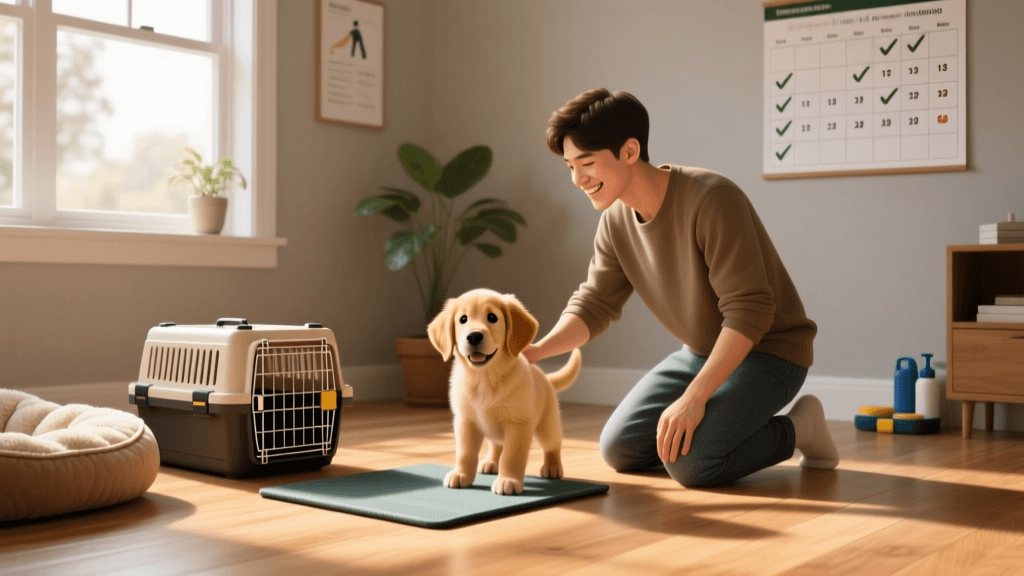
- Surface Traction: Train on non-slip surfaces like yoga mats or interlocking foam tiles to prevent splaying and joint strain.
- Elevated Feeding/Targeting: Use raised platforms or bowls to prevent your dog from having to crane their neck down to the floor, which can exacerbate cervical arthritis.
- Shorter Sessions: A senior dog's attention span and physical stamina may wane. Limit training sessions to 3 to 5 minutes, two or three times a day, rather than one long 20-minute session.
Top 5 Low-Impact Tricks for Senior Dogs
When selecting tricks for a senior dog, prioritize movements that encourage gentle stretching, mental focus, and scent work without placing undue stress on the lumbar spine or hindquarters.
1. Target Training (Nose to Hand)
Targeting teaches your dog to touch their nose to your palm. This is an excellent foundational behavior that can be used to guide your dog into cars, onto grooming tables, or away from hazards without ever needing to pull on a leash. Hold your palm out, mark the moment their nose touches it with a gentle "yes" or a clicker, and reward with a pea-sized treat.
2. The "Chin Rest"
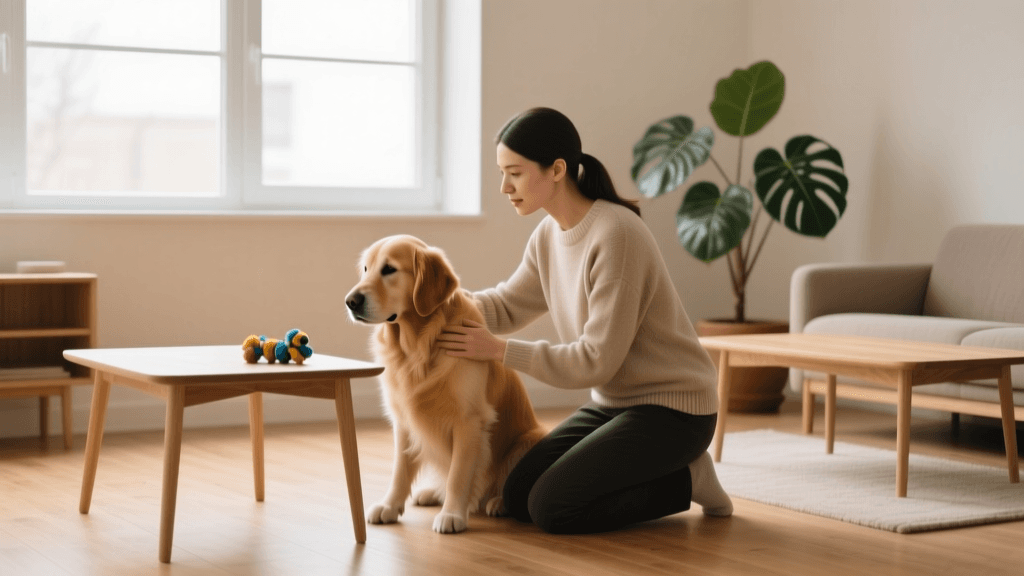
This trick is incredibly useful for veterinary exams and grooming. Teach your dog to rest their chin on your lap or a designated cushion. Start by luring their head down with a high-value treat like freeze-dried beef liver, marking and rewarding when their chin makes contact with the surface. This promotes a calm, settled emotional state and reduces anxiety during medical handling.
3. Scent Work and "Find It"
A dog's olfactory system remains robust well into their senior years. Scent work is physically low-impact but mentally exhausting. Hide strong-smelling treats (such as Zuke's Mini Naturals, which are only 2 calories each) around a carpeted room and encourage your dog to sniff them out. Ten minutes of active sniffing can provide the same mental fatigue as an hour of walking.
4. Seated "Paw" or "Wave"
While standing paw-shakes can compromise balance in a dog with hind-end weakness, teaching a seated wave or paw is safe and engaging. It requires minimal joint articulation while keeping your dog focused on your hand signals and maintaining their core stability.
5. Gentle "Spin"
Lure your dog in a very slow, wide circle using a treat. This encourages gentle lateral flexion of the spine and helps maintain mobility in the neck and shoulders. Avoid tight, rapid spins that could cause dizziness or joint torque.
Cognitive Enrichment: Beyond Basic Obedience
Obedience is only one facet of training. Cognitive enrichment involves providing your dog with puzzles and games that require them to think, forage, and problem-solve. This is especially crucial for senior dogs who may no longer be able to participate in high-impact sports like agility or flyball.
"Mental enrichment is just as important as physical exercise for aging dogs. It gives them a job to do and prevents the boredom and depression that can accompany a sedentary lifestyle."
Recommended Enrichment Tools:
- Nina Ottosson Dog Brick Puzzle ($15 - $25): This intermediate-level puzzle requires dogs to slide compartments and lift flaps to reveal hidden treats. It encourages paw-eye coordination and sustained focus.
- Snuffle Mats ($10 - $20): These fabric mats mimic grass, allowing you to bury dry kibble or small treats deep within the fleece strips. They are excellent for dogs with vision loss, as they rely entirely on scent.
- KONG Senior ($12 - $18): Made from a softer, purple rubber formula designed specifically for aging teeth and gums, the KONG Senior can be stuffed with pureed pumpkin and low-sodium bone broth, then frozen for a soothing, long-lasting chewing experience.
Senior Dog Training Tools & Cost Breakdown
| Tool / Product | Primary Purpose | Estimated Cost | Suitability for Seniors |
|---|---|---|---|
| Nina Ottosson Dog Brick | Cognitive problem-solving | $15 - $25 | Excellent (Low physical strain) |
| Fleece Snuffle Mat | Olfactory enrichment, foraging | $10 - $20 | Excellent (Ideal for blind dogs) |
| Zuke's Mini Naturals | Low-calorie training rewards | $6 - $8 / bag | Excellent (Prevents weight gain) |
| Interlocking Foam Mats | Non-slip training surface | $20 - $30 | Crucial (Prevents splaying/injury) |
| KONG Senior (Purple) | Gentle chewing, food pacing | $12 - $18 | Very Good (Softer on aging teeth) |
Adapting to Sensory Decline
As dogs age, they frequently experience a decline in their primary senses. A successful senior training program must adapt to these biological realities.
Training a Deaf Senior Dog
If your dog is losing their hearing, transition from verbal markers (like saying "Good" or using a clicker) to visual markers. A thumbs-up sign, a gentle flash of a penlight, or a vibration collar (used strictly as an attention-getter, never as a correction tool) can effectively communicate that a reward is coming. Hand signals for commands like "sit," "down," and "come" become the primary language.
Training a Blind Senior Dog
For dogs with cataracts or nuclear sclerosis, rely heavily on scent and tactile cues. Use distinct essential oil scents (like a drop of lavender on a cotton ball) to mark safe zones or training stations. Textured mats can signal to your dog that they have arrived in the "training zone," helping them feel secure and oriented despite their lack of sight.
Managing Treats and Weight During Training
Senior dogs have slower metabolisms and are highly prone to obesity, which exacerbates joint pain and cardiovascular issues. When conducting multiple short training sessions a day, the calories can add up quickly.
Actionable Advice: Deduct the calories used during training from your dog's daily meal allowance. If you are using high-value treats like real chicken or cheese, cut them into pieces no larger than a green pea (approximately 1 to 2 calories per piece). Alternatively, use your dog's measured daily kibble as the primary reward during low-distraction indoor sessions, reserving the high-value treats for challenging cognitive puzzles or veterinary desensitization exercises.
Conclusion: Patience and the Golden Bond
Training a senior dog is less about achieving perfect obedience and more about preserving their dignity, independence, and joy. By adapting your methods to accommodate their changing bodies and minds, you provide them with a sense of purpose. The AKC's senior dog care guidelines emphasize that mental engagement is a pillar of holistic geriatric veterinary care. Whether you are teaching a gentle chin rest, introducing a snuffle mat, or simply practicing scent work in the living room, you are telling your aging companion that their golden years are still full of discovery, relevance, and love.
aaron-whyte
All our authors care for dogs every day — read more of their work on the authors page.