Fueling Focus: How Nutrition Impacts Dog Training Success
Discover how targeted nutrition and high-value treats impact your dog's focus, learning retention, and stamina during intense training sessions.
The Brain-Gut Connection in Canine Learning
When we think of dog training, we often picture leashes, clickers, and endless repetitions of "sit" and "stay." However, as a senior trainer and canine nutrition enthusiast, I can tell you that the secret to a breakthrough in your dog's obedience or agility work often starts in their food bowl. The cognitive demands of learning new behaviors, combined with the physical exertion of executing them, require precise nutritional support. In this deep dive, we explore how targeted nutrition, strategic treat selection, and meal timing can drastically improve your dog's focus, retention, and stamina.
The Neurobiology of Canine Learning
A dog's brain is a metabolic powerhouse. During intense learning sessions, the brain consumes a significant amount of glucose and requires specific micronutrients to build neural pathways. Omega-3 fatty acids, particularly DHA (docosahexaenoic acid) and EPA (eicosapentaenoic acid), are critical for cognitive development and sustained focus. According to the American Kennel Club, Omega-3s support brain health, reduce inflammation, and can even help aging dogs maintain cognitive function.
For puppies in their critical socialization and foundational obedience windows, a diet rich in DHA is non-negotiable. If your commercial puppy food lacks adequate levels, supplementing with a high-quality product like Nordic Naturals Omega-3 Pet (approximately $25 for a 16 oz bottle) can provide the necessary building blocks for a sharp, trainable mind. Furthermore, B-vitamins, particularly B6 and B12, play a vital role in the synthesis of neurotransmitters like serotonin and dopamine. These chemicals regulate mood and impulse control, which are essential when teaching a dog to "leave it" or maintain a long "down-stay". Ensuring your dog's base diet is AAFCO-certified for their specific life stage guarantees these baseline micronutrients are met.
For adult dogs struggling with focus or impulse control, adding MCT (Medium Chain Triglyceride) oil to their diet can provide an alternative energy source for the brain. A safe starting dose is 1/4 teaspoon per 10 pounds of body weight, gradually increasing to avoid gastrointestinal upset.
The 10% Rule and High-Value Treat Matrices
One of the most common mistakes in dog training is overfeeding treats, leading to obesity and a decrease in overall health and mobility. The World Small Animal Veterinary Association (WSAVA) emphasizes that treats should never exceed 10% of a dog's daily caloric intake. For an active 50-pound dog requiring roughly 1,000 calories a day, that means only 100 calories can come from training rewards.
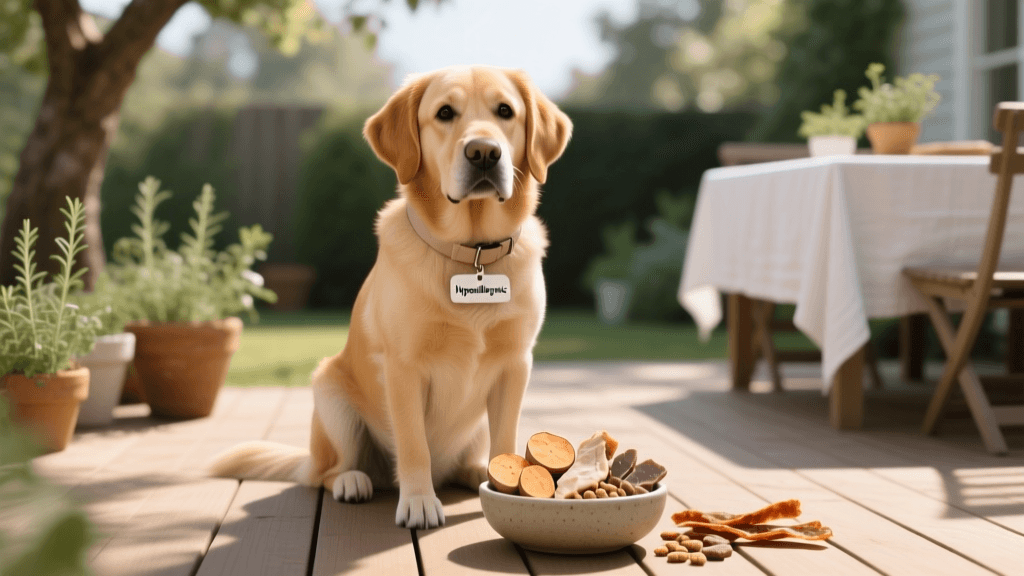
To maximize motivation without blowing the caloric budget, trainers must use a "treat hierarchy." Low-value rewards are used for known behaviors in low-distraction environments, while ultra-high-value rewards are reserved for recalling away from a squirrel or mastering a complex agility sequence. Below is a comparison chart of popular training treats, factoring in cost, caloric density, and motivation level.
| Treat Type | Brand / Example | Calories (per piece) | Approx. Cost (per oz) | Motivation Level |
|---|---|---|---|---|
| Kibble | Royal Canin / Purina | 3 - 5 | $0.15 | Low (Baseline) |
| Semi-Moist | Zuke's Mini Naturals | 3 | $0.80 | Medium |
| Boiled Chicken | Generic Breast | 4 | $0.40 | High |
| Freeze-Dried Raw | Stella & Chewy's | 5 | $1.50 | High |
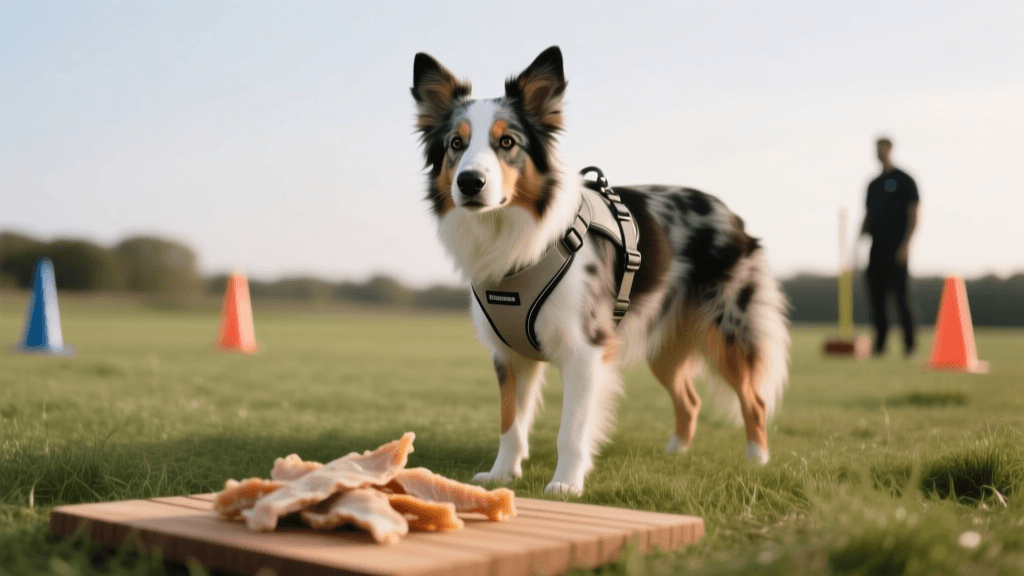
| Beef Liver | Generic (Dehydrated) | 8 | $0.60 | Ultra-High |
The Pea-Sized Rule for Caloric Control
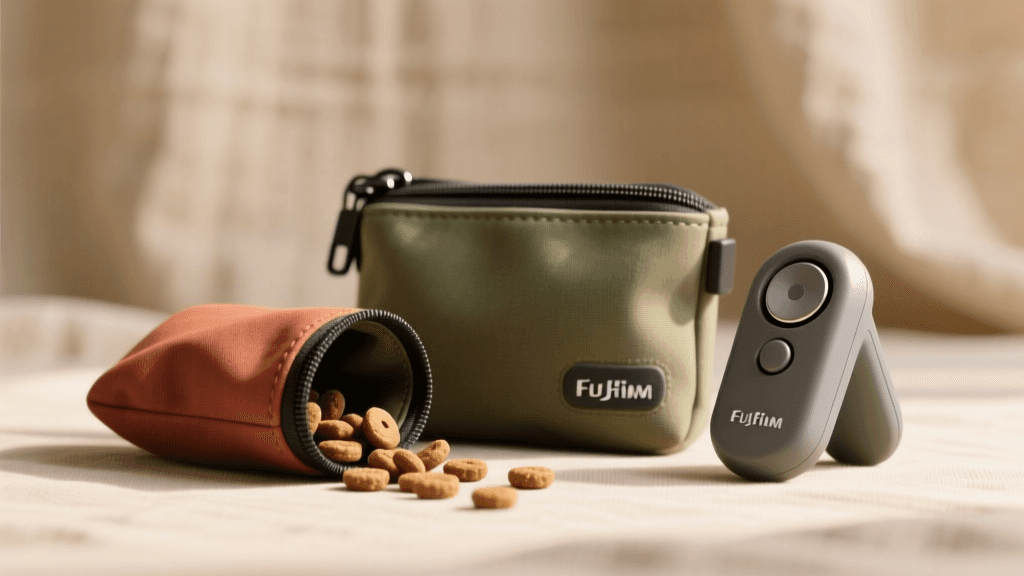
Cut all treats into pea-sized pieces. Dogs register the frequency of the reward, not the volume. A single Zuke's Mini Natural can be broken into three pieces, effectively tripling your training time while keeping calories negligible. This allows you to maintain a high rate of reinforcement during shaping sessions without risking your dog's waistline.
Digestion, Timing, and Bloat Prevention
Timing your dog's meals around training sessions is a matter of both psychology and life-saving physiology. Training a dog on a completely full stomach can lead to lethargy and poor food drive. Conversely, training a large, deep-chested breed (like a Great Dane, German Shepherd, or Standard Poodle) on a full stomach poses a severe risk for Gastric Dilatation-Volvulus (GDV), commonly known as bloat.
The American Kennel Club warns that vigorous exercise immediately before or after eating is a major risk factor for GDV. To mitigate this, establish a strict timeline: feed your dog their main meals at least two hours before any high-intensity training or agility work. Alternatively, use a portion of their daily kibble allowance as training rewards during the day, and feed the remainder after the evening cool-down period.
Joint and Muscle Nutrition for Physical Training
Obedience isn't just mental; competitive obedience, agility, and working dog sports place immense physical strain on a dog's joints and muscles. If your training regimen includes repetitive jumping, tight turns, or sustained heelwork, joint nutrition is paramount.
According to veterinary experts at VCA Animal Hospitals, supplements containing Glucosamine, Chondroitin, and Green-Lipped Mussel can help maintain cartilage health and reduce inflammation. Products like Dasuquin Advanced or Zesty Paws Hip & Joint Glucosamine Chews ($25 - $35 for a month's supply) are excellent additions to the diet of a canine athlete. Start these supplements early in the dog's training career, ideally before signs of joint stiffness appear, to provide a protective buffer against wear and tear.
Hydration is another often-overlooked component of joint and muscle health. A working or training dog loses significant moisture through panting and respiration. Always bring a collapsible silicone bowl and fresh water to your training sessions, offering small sips every 15 minutes. Dehydration can lead to muscle cramping, reduced cognitive sharpness, and delayed recovery times between training sets.
Sample Daily Nutrition and Training Schedule
To put this science into practice, here is a sample daily schedule for a 50-pound active dog undergoing intermediate obedience and agility training:
- 7:00 AM - Hydration & Decompression: Wake up, offer fresh water, and take a 15-minute sniffari walk to allow for mental decompression and bathroom breaks.
- 8:00 AM - Fast-Paced Skill Training: Conduct a 15-minute session focusing on foundational obedience. Use the dog's measured morning kibble portion as rewards. The mild hunger state increases food drive and focus.
- 12:00 PM - Rest & Digest: Provide a frozen Kong stuffed with plain pumpkin and a dash of MCT oil for mental enrichment and brain-boosting fats.
- 4:00 PM - High-Intensity Agility/Proofing: Conduct a 20-minute high-distraction session. Use ultra-high-value treats (like pea-sized pieces of dehydrated beef liver) to reward complex behaviors and recalls.
- 6:30 PM - Main Meal & Joint Support: Serve the remainder of the daily caloric allowance mixed with a Green-Lipped Mussel joint supplement. Allow the dog to rest completely for the next two hours.
- 8:30 PM - Evening Cool-Down: A gentle, low-impact leash walk to aid digestion and promote relaxation before bed.
Conclusion
Training your dog is an investment of time, love, and energy. By viewing your dog's diet not just as sustenance, but as a strategic tool for cognitive and physical optimization, you will unlock new levels of performance and focus. Remember to respect the 10% treat rule, prioritize Omega-3s and joint support, and always time your meals to protect your dog's digestive health. A well-fueled dog is a focused dog, and a focused dog is a joy to train.
marcus-aldridge
All our authors care for dogs every day — read more of their work on the authors page.