Tech-Assisted Dog Recall Training: GPS and Smart Dispensers
Discover how to use GPS trackers and smart treat dispensers to master off-leash recall training. Modern tech tips for reliable dog obedience.

The Intersection of Technology and Canine Obedience
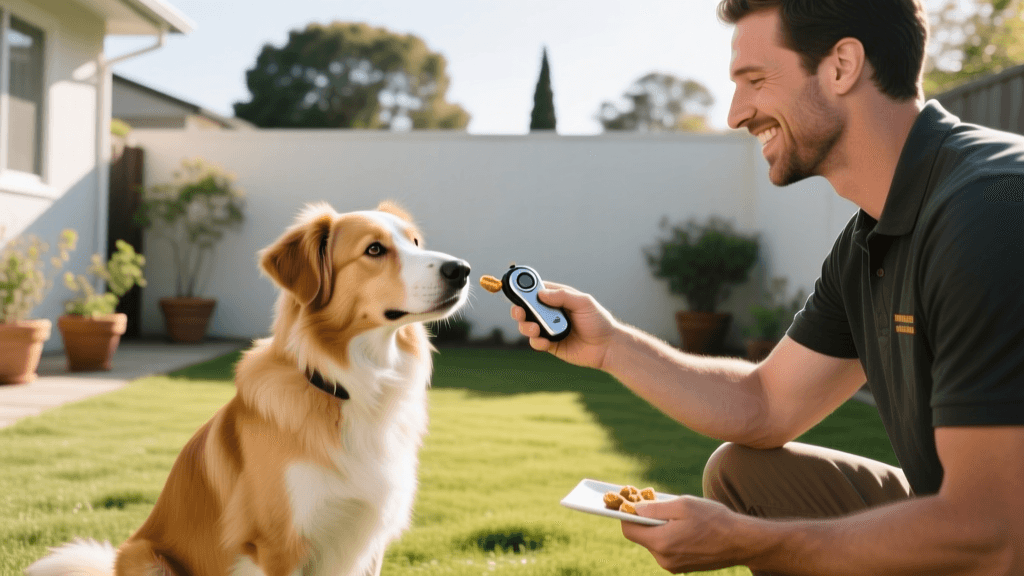
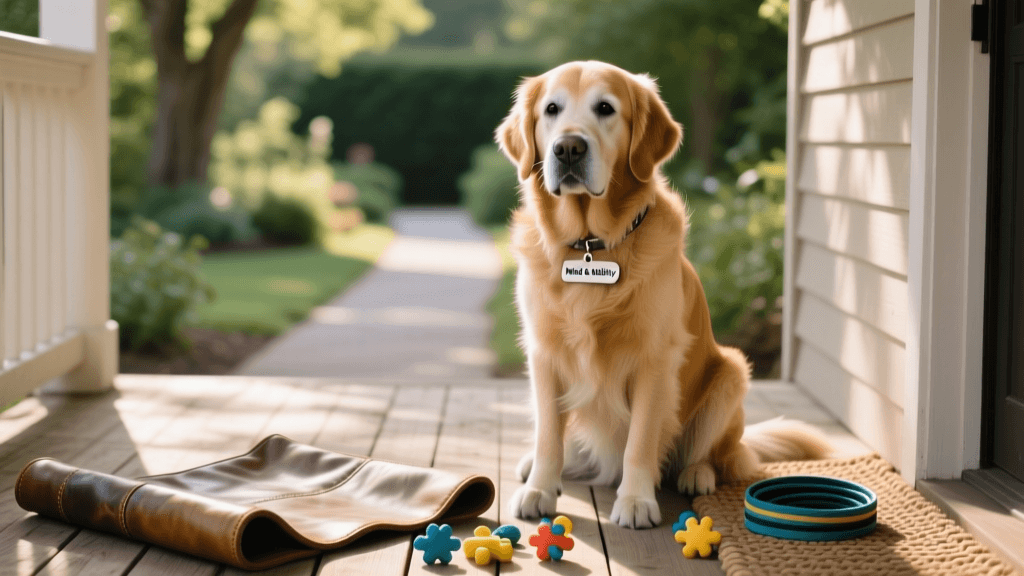
Dog training has undergone a massive transformation over the last decade. While the foundational principles of operant conditioning and positive reinforcement remain unchanged, the tools at our disposal have evolved dramatically. Today, modern dog owners are no longer limited to leather leashes, wooden clickers, and treat pouches. The rise of technology and modern dog care has introduced a suite of smart devices that can accelerate learning, enhance safety, and provide unprecedented insights into our dogs' behaviors.
One of the most challenging behaviors to master is the off-leash recall. Teaching a dog to return to you amidst the distractions of the real world requires impeccable timing, high-value rewards, and a controlled environment. But what happens when you want to test your dog's recall in a vast, open space? This is where technology bridges the gap between traditional training methods and modern convenience. By leveraging GPS smart collars and remote treat dispensers, handlers can create a 'virtual long-line' that ensures safety while reinforcing reliable obedience.
GPS Trackers: Safety Nets for Off-Leash Recall
It is important to clarify a common misconception: a GPS tracker does not train your dog. Instead, it provides the handler with the confidence, data, and safety net required to train effectively in unenclosed environments. Devices like the Fi Series 3, Whistle Go Safe, and Tractive GPS allow you to monitor your dog's real-time location, set up virtual geofences, and track their daily activity levels.
When practicing recall training in a large field or wooded area, a handler's primary fear is losing their dog. This anxiety often leads to premature tightening of the leash or hesitant body language, which dogs easily read and interpret as a lack of confidence. By outfitting your dog with a reliable GPS smart collar, you remove the fear of loss. You can allow your dog to roam further, effectively simulating off-leash freedom while maintaining a digital tether. If your dog ignores a recall command and begins to wander toward a boundary or hazard, the GPS app alerts you instantly, allowing you to intervene before the situation escalates.
Furthermore, GPS data can reveal patterns in your dog's behavior. By reviewing your dog's roaming heat maps, you can identify the exact distance at which your dog typically 'tunes out' your voice. If you notice your dog consistently breaks their stay or ignores recalls at the 50-yard mark, you know exactly where to set up your next training sessions to proof the behavior at that specific threshold.
Smart Treat Dispensers: Remote Rewarding Explained
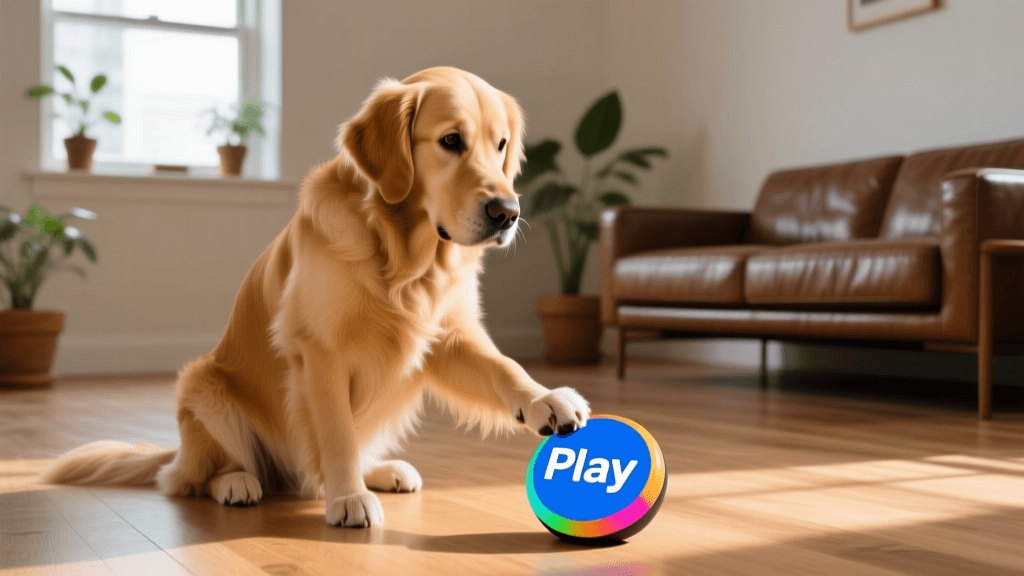
While GPS trackers manage the outdoor environment, smart treat dispensers revolutionize indoor and distance training. Devices such as the Furbo 360 or the Petcube Bites 2 are equipped with high-definition cameras, two-way audio, and mechanisms that toss treats on command via a smartphone app. These tools are invaluable for teaching the 'place' command, managing separation anxiety, and practicing remote recalls.
In traditional training, the handler must be physically present to deliver a reward within seconds of the desired behavior. Smart dispensers allow you to reward your dog from another room, or even another city. This is particularly useful for teaching impulse control. For example, you can instruct your dog to go to their mat, leave the room, and watch via the camera. The moment your dog settles calmly on the mat instead of following you, you can trigger the dispenser to toss a treat. This reinforces the concept that staying in place yields rewards, even when the handler is absent.
For recall training inside the home or in a secure backyard, you can use the two-way audio to call your dog's name. When they run toward the camera or the designated 'home base,' the machine dispenses a treat. This builds a powerful positive association with returning to a specific location, which can later be generalized to returning to you in the field.
Top Tech Tools for Recall and Obedience
| Tech Category | Top Brand Examples | Primary Training Use | Estimated Cost |
|---|---|---|---|
| GPS Smart Collars | Fi, Whistle, Tractive | Boundary awareness, off-leash safety, roaming data | $100 - $150 + Subscription |
| Smart Treat Dispensers | Furbo, Petcube, Ebo | Remote 'stay', 'place' command, separation anxiety | $150 - $250 |
| Training & Clicker Apps | Dogo, Puppr, GoodPup | Structured routines, digital marking, video tutorials | Free - $15/month |
Step-by-Step Tech-Assisted Recall Training Plan
Integrating technology into your training routine requires a structured approach. Below is a modern, tech-assisted protocol for building a bulletproof recall.
Phase 1: Baseline Mapping and Threshold Identification
Before attempting off-leash recalls, attach a GPS tracker to your dog's collar and take them to a secure, enclosed area like a tennis court or a fenced park. Allow them to explore while you stand still. Monitor the GPS app to see how far they naturally roam before checking in with you. This establishes their 'engagement radius.' If your dog rarely strays beyond 20 yards without looking back, you know your initial recall training should focus on distances within that 20-yard bubble.
Phase 2: The Smart Dispenser 'Home Base' Recall
Set up your smart treat dispenser in a central location in your home or yard. Teach your dog that the sound of the machine dispensing a treat means a reward is available. Next, move to a different room or the far end of the yard. Use your phone's app to trigger the two-way audio, calling your dog with your designated recall cue (e.g., 'Come!' or a specific whistle). The moment they orient toward the dispenser and run back, trigger the treat toss. Repeat this until the dog reliably sprints back to the 'home base' upon hearing the cue, regardless of where you are hiding.
Phase 3: The Virtual Long-Line Field Test
Once your dog has a solid recall in controlled environments, move to a larger, open space. Keep a physical long-line (15 to 30 feet) attached to their harness for emergency safety, but let it drag loosely. Monitor their distance via the GPS tracker. When the GPS shows they are approaching the edge of their engagement radius, issue your recall command. Because you are tracking their exact distance, you can time your command perfectly before they become overly distracted by wildlife or other dogs. Reward heavily with high-value treats when they return. As the American Kennel Club emphasizes, recall training should always be associated with high-value rewards and positive experiences, ensuring the dog views returning to you as the best possible outcome.
Integrating Training Apps into Your Routine
Beyond hardware, software plays a pivotal role in modern dog care. Training applications like Dogo, Puppr, and GoodPup offer structured, step-by-step video curriculums that help owners maintain consistency. Consistency is the cornerstone of any successful behavioral conditioning program. These apps often feature built-in digital clickers, which are useful if you forget your physical clicker at home. Furthermore, many apps allow you to log training sessions, track your dog's progress on specific cues, and set daily reminders to ensure you are dedicating at least 10 to 15 minutes a day to active obedience work.
Using an app to track your recall training milestones ensures you do not accidentally rush the proofing process. You can log the level of distraction, the distance of the recall, and the latency (how many seconds it took the dog to respond). Over time, this data reveals tangible improvements and highlights areas that need more practice.
Safety, Ethics, and Community Responsibility
While technology offers incredible advantages, it must be used ethically and responsibly. A reliable recall is not just about convenience; it is a critical safety behavior that protects your dog, local wildlife, and the community. As noted by the Centers for Disease Control and Prevention, proper training, supervision, and responsible pet ownership are key pillars in preventing dog bites and ensuring safe public interactions. A dog with a poor recall who bolts toward a fearful stranger or a busy road poses a significant risk.
It is also vital to remember that technology should never replace the human-animal bond. A smart treat dispenser can reinforce a 'stay' command, but it cannot replicate the joy of playing tug-of-war with your dog after a successful training session. GPS trackers provide peace of mind, but they cannot replace the physical act of walking alongside your dog and reading their subtle body language. Use these tools as supplements to your training, not as automated babysitters.
Conclusion
The modern dog owner has access to an unprecedented array of tools designed to make training safer, more efficient, and more data-driven. By combining the foundational science of positive reinforcement with the situational awareness of GPS trackers and the remote capabilities of smart treat dispensers, you can build a recall that holds up in the real world. Embrace the technology, respect the behavioral science, and enjoy the freedom that comes with a truly reliable off-leash companion.
marcus-aldridge
All our authors care for dogs every day — read more of their work on the authors page.