Training Your Senior Dog: Cognitive Care & Enrichment
Discover how to train and enrich your senior dog's mind. Learn age-appropriate tricks, joint-safe routines, and cognitive care tips for aging canines.
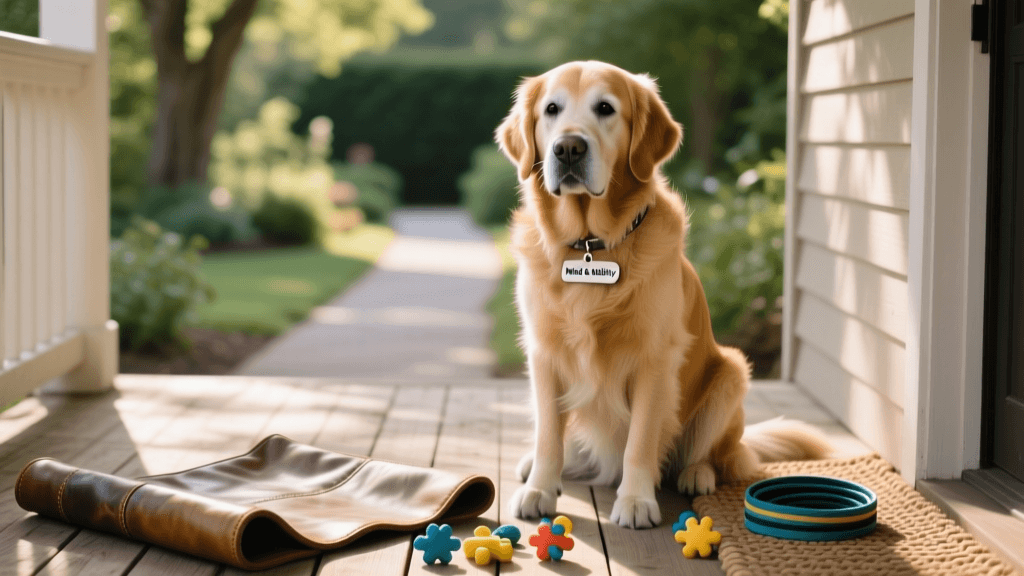
When your beloved dog enters their senior years—typically around age seven for large breeds and age nine for smaller breeds—their physical and cognitive needs shift dramatically. As a core component of our Life Stage Care Guides, this article focuses on the often-overlooked realm of senior dog training and cognitive enrichment. Many pet parents mistakenly believe that training is exclusively for puppies or that older dogs are incapable of learning. In reality, engaging your senior dog's brain is one of the most effective ways to maintain their quality of life, stave off cognitive decline, and deepen your bond during their golden years.
The Science of Senior Canine Brains
Just like humans, dogs experience changes in their brain chemistry and structure as they age. Neuroplasticity—the brain's ability to form new neural connections—does not stop when a dog reaches adulthood. However, the aging canine brain requires more targeted, low-stress stimulation to maintain these pathways. According to the ASPCA's Senior Dog Care guidelines, mental stimulation is just as critical as physical modifications for aging pets. Regular, gentle training sessions increase blood flow to the brain, promote the release of neuroprotective chemicals, and help delay the onset of age-related behavioral issues.
Furthermore, the American Kennel Club (AKC) emphasizes that teaching an older dog new tricks provides essential mental exercise that tires them out without putting undue stress on aging joints. A five-minute training session can be as exhausting and satisfying for a senior dog as a 30-minute walk, making it an ideal activity for dogs with mobility limitations.
Adapting Your Training Approach for Aging Bodies
Before initiating a new training regimen, it is vital to adapt your methods to accommodate your dog's physical limitations. Arthritis, hip dysplasia, and general muscle loss are common in senior dogs. Therefore, high-impact tricks like jumping, weaving through legs, or prolonged sitting on hard surfaces should be avoided.
Puppy vs. Adult vs. Senior Training Parameters
To understand how to adjust your expectations and methods, review the comparison table below detailing training parameters across different life stages.
| Feature | Puppy (8-16 Weeks) | Adult (1-6 Years) | Senior (7+ Years) |
|---|---|---|---|
| Session Length | 5-10 Minutes | 15-20 Minutes | 3-5 Minutes |
| Primary Focus | Socialization & Basics | Obedience & Complex Tricks | Cognitive Maintenance & Scent |
| Physical Impact | High Energy / Play | Moderate to High | Low Impact / Joint-Safe |
| Treat Type | Small Kibble | Standard Crunchy Treats | Soft, Chewy, Low-Calorie |
| Environment | Low Distraction | Variable Environments | Comfortable, Non-Slip Surfaces |
Top Low-Impact Enrichment Activities and Tricks
When training a senior dog, the goal is mental fatigue over physical exertion. Here are three highly effective, joint-safe activities you can start today.
1. Scent Work and Snuffle Mats
A dog's olfactory system is directly linked to the brain's limbic system, which governs emotion and memory. Scent work is incredibly taxing on the brain but requires almost zero physical strain. You can purchase a high-quality Snuffle Mat (typically costing between $20 and $35 from brands like Paw5) or make one using fleece strips tied to a rubber sink mat. Hide strong-smelling, soft treats like Zuke's Mini Naturals (approx. $8 per bag) deep within the folds. Start with easy placements and gradually increase the difficulty. A 10-minute sniffing session can burn as much mental energy as an hour of walking.
2. Hand Targeting (Touch)
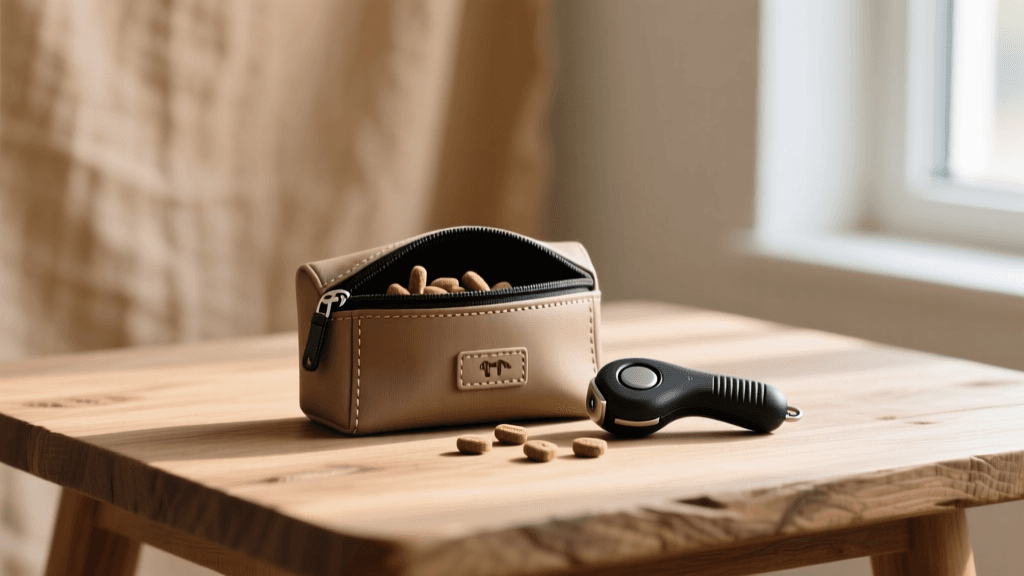
Hand targeting is a fantastic, low-impact trick that helps maintain your dog's spatial awareness and focus. Hold your palm out flat at your dog's nose level. When they sniff or bump your hand, mark the behavior with a gentle 'Yes!' or a soft clicker, and reward with a soft treat. Once they reliably touch your hand, you can use this trick to guide them onto orthopedic beds, into the car, or away from hazards without ever needing to pull their collar or harness, which can damage fragile senior necks and spines.
3. Interactive Puzzle Toys
Puzzle toys encourage problem-solving and slow down eating, which is excellent for senior digestion. The Outward Hound Nina Ottosson Dog Brick Puzzle (approx. $15) is an excellent entry-level option. Because senior dogs may have diminished dental health or weaker jaw strength, ensure the puzzle pieces are easy to nudge with a nose or paw. Avoid puzzles that require aggressive chewing or forceful pawing.
Essential Gear and Treats for Senior Training
Equipping yourself with the right tools ensures that training remains a positive, pain-free experience for your aging companion.
- Orthopedic Training Mats: Never ask a senior dog to perform a 'down' or 'settle' on a hard floor. Invest in a high-density foam mat or an orthopedic bed like the Big Barker (approx. $250) to support their joints during training.
- Soft, High-Value Treats: Senior dogs often suffer from dental disease or missing teeth. Transition from hard biscuits to soft, easily chewable treats. Look for options with added glucosamine and chondroitin for joint support, keeping treat calories under 10-15 per piece to prevent obesity, which exacerbates joint pain.
- KONG Senior (Purple): The purple KONG is made from a softer, more forgiving rubber designed specifically for aging teeth and gums. Stuff it with canned pumpkin, plain yogurt, and a dash of low-sodium bone broth, then freeze it for a soothing, mentally stimulating lick session that costs less than $20 to set up.
Recognizing Canine Cognitive Dysfunction (CCD)
While training helps maintain cognitive health, it is also an excellent way to monitor for Canine Cognitive Dysfunction (CCD), the canine equivalent of Alzheimer's disease. The Texas A&M College of Veterinary Medicine notes that CCD affects a significant portion of dogs over the age of 11. During your short training sessions, watch for the following red flags:
The DISHA-A Signs of CCD:
Disorientation (getting stuck in corners), Interactions (changes in how they greet you), Sleep-wake cycle changes, House soiling, Activity level changes (pacing or lethargy), and Anxiety.
If your dog suddenly forgets a well-known cue like 'touch' or seems confused by a familiar puzzle toy, do not punish or force them. Instead, simplify the task, offer reassurance, and schedule a comprehensive veterinary exam. Early intervention with prescription diets rich in medium-chain triglycerides (MCTs), antioxidant supplements, and medications like Selegiline can significantly slow the progression of CCD.
Conclusion: Patience and Grace in the Golden Years
Training a senior dog is less about achieving perfect obedience and more about providing a lifeline of engagement, purpose, and joy. By keeping sessions brief (3 to 5 minutes), utilizing soft, joint-safe surfaces, and focusing on scent and puzzle-based enrichment, you honor the lifetime of loyalty your dog has given you. Embrace the slower pace, celebrate the small victories, and cherish the quiet moments of connection that come with caring for a senior dog. Your patience and adapted care will ensure their final years are as vibrant and fulfilling as possible.
priya-sutaria
All our authors care for dogs every day — read more of their work on the authors page.