Are Talking Dog Buttons Real? The Science Behind the Trend
Discover the science behind viral talking dog buttons. Learn how AAC soundboards work, if dogs truly understand words, and how to start training.
The Viral Phenomenon of 'Talking' Dogs
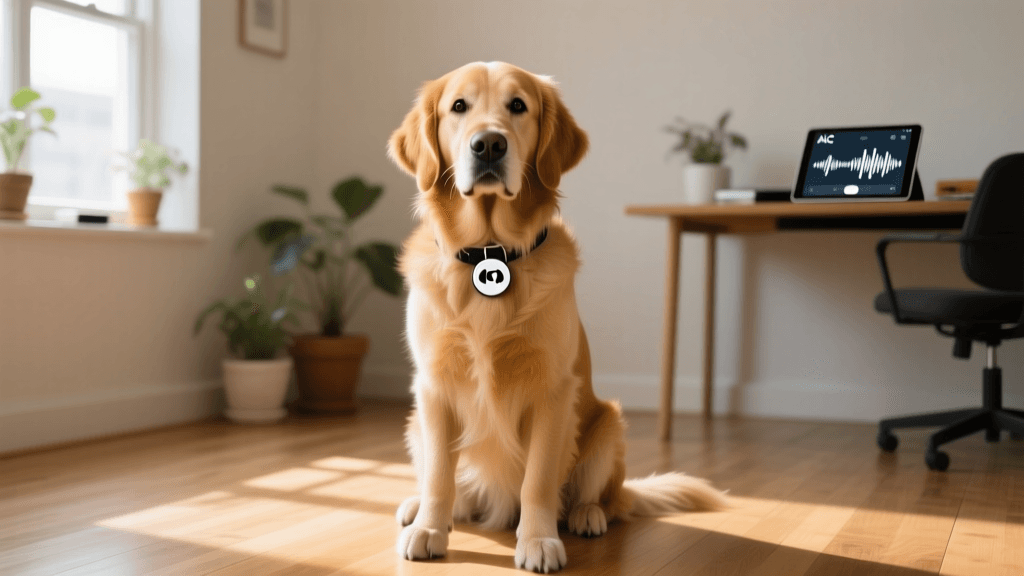
If you have spent any time on TikTok, Instagram, or YouTube over the last few years, you have likely encountered a viral sensation: dogs 'talking' to their owners using colorful soundboard buttons. Famous canine influencers like Bunny the Sheepadoodle and Stella the Catahoula mix have amassed millions of followers by pressing buttons that play pre-recorded words like 'outside,' 'play,' 'love,' and even 'stranger.' To the casual observer, it looks like a monumental breakthrough in interspecies communication. But as a dog owner, you might be wondering: is this genuine linguistic comprehension, or just a highly trained trick fueled by viral editing?
The trend revolves around Augmentative and Alternative Communication (AAC) devices. Originally designed for humans with speech and language impairments, AAC soundboards have been adapted for canine use. While the viral videos are undeniably entertaining, understanding the psychology and behavioral science behind these buttons is crucial before you invest your time and money into training your own dog. In this deep dive, we will separate internet fiction from behavioral fact and provide a comprehensive, actionable guide to button training.
The Psychology: Language vs. Operant Conditioning
To understand what is happening when a dog presses a button, we must look at the fundamentals of canine psychology. Dogs do not possess the vocal anatomy or the specific neurological language centers (like Broca's and Wernicke's areas in humans) required for complex syntax and grammar. Instead, their button pressing is primarily rooted in operant conditioning.
Operant conditioning is a learning method where behavior is modified by its consequences. When a dog presses the 'walk' button and the owner immediately puts on a leash and opens the door, the dog learns a clear association: Pressing this specific plastic disc yields a highly rewarding outcome. According to behavioral psychologists, the dog is not necessarily contemplating the abstract concept of a 'walk'; rather, they are executing a learned behavior that triggers a predictable environmental response.
The Clever Hans Effect and Viral Confirmation Bias
When evaluating viral dog videos, we must also consider the 'Clever Hans' effect and confirmation bias. Clever Hans was a famous early 20th-century horse who supposedly could do math, but was actually just reading subtle, unconscious body language cues from his trainer. Similarly, dogs are master observers of human micro-expressions. A dog might press a button because they notice their owner leaning forward, holding their breath, or staring intently at a specific tile.
Furthermore, social media platforms reward the extraordinary. A viral video showing a dog pressing 'love' and 'you' might omit the 45 minutes of the dog randomly mashing the 'treat' and 'squirrel' buttons beforehand. This creates an illusion of conversational fluency that does not accurately reflect the day-to-day reality of soundboard training.
What the Scientific Community Says
Despite the skepticism surrounding viral edits, the scientific community is taking canine AAC use seriously. Dr. Federico Rossano, a cognitive scientist at the University of California, San Diego, launched the TheyCanTalk research initiative to study this exact phenomenon. By crowdsourcing data from thousands of pet owners using soundboards, researchers are investigating whether dogs can combine words to create novel meanings or express internal states (like pain or frustration) rather than just making demands for food and walks.
Preliminary findings suggest that while dogs are not using grammar, they are capable of expressive communication. Some dogs have been recorded using buttons to report things that are not immediately visible, such as pressing 'cat' when a neighborhood cat is outside the window but out of the owner's sightline. According to the scientific advisory board at FluentPet, engaging dogs in AAC training stimulates their cognitive faculties, reduces boredom-related behavioral issues, and significantly strengthens the human-animal bond by giving the dog a sense of agency.
Choosing the Right Soundboard: A Buyer's Comparison
If you want to try this trending training method, selecting the right equipment is your first step. Generic recordable buttons often slide across hardwood floors and frustrate dogs. Here is a comparison of the top systems on the market:
| Brand / System | Est. Cost | Design & Features | Pros & Cons |
|---|---|---|---|
| FluentPet HexTile System | $30 - $150+ | Hexagonal mats with recessed buttons. Tactile feedback. | Pros: Stays in place, spatial memory mapping. Cons: Expensive to scale up. |
| Hunger for Words | $20 - $60 | Circular, standalone recordable buttons. Louder speakers. | Pros: Great audio quality, easy to record. Cons: Buttons slide on hard floors. |
| Generic Amazon Recordables | $15 - $25 | Basic square recordable tiles. No organizational mat. | Pros: Very budget-friendly. Cons: Flimsy, confusing layout for dogs. |
Recommendation: For beginners, the FluentPet 'Get Started' kit (around $30 for one mat and three buttons) is the most scientifically grounded option, as the hexagonal mats allow you to build a structured 'language board' that relies on a dog's spatial memory.
Step-by-Step Actionable Training Guide
Teaching your dog to use an AAC soundboard requires patience, precise timing, and consistency. Do not expect your dog to say 'I love you' by next week. Follow these structured phases for success.
Phase 1: Target Training (Days 1-7)
Before introducing words, your dog must learn how to physically interact with the button.
- The Setup: Place a single, unrecorded button on the floor. Have high-value treats (e.g., boiled chicken or freeze-dried liver) ready.
- The Action: Wait for your dog to investigate the button. The exact second their nose or paw touches it, use a clicker or a verbal marker ('Yes!') and deliver a treat.
- The Goal: Repeat this until your dog is deliberately and confidently targeting the button on command. This builds the motor skill required for later phases.
Phase 2: Modeling and Pairing (Weeks 2-4)
Now, introduce a highly motivating word. 'Outside' or 'Walk' are the best starting points because the reward is immediate and universally loved by dogs.
- Record the Word: Record yourself saying 'Outside' in an enthusiastic, clear tone. Keep it to one second.
- Model the Behavior: Dogs learn through mimicry. Before you open the door to let them out, you must press the button yourself. Say 'Outside,' press the button, and immediately open the door.
- Prompt Fading: After a week of modeling, stand by the door and wait. If your dog paws or noses the button, immediately open the door. Do not physically guide their paw, as this creates prompt dependency.
Phase 3: Expanding the Vocabulary (Month 2 and Beyond)
Once your dog reliably uses the first button, you can add more. Follow a strict rule of adding only one new button every two weeks.
- Spatial Mapping: Keep buttons in the exact same place. Dogs rely heavily on spatial memory. Moving the 'water' button from the kitchen to the living room will cause frustration and extinguish the behavior.
- Contextual Relevance: Place the 'play' button near the toy bin, and the 'water' button near their bowl. Contextual cues accelerate learning.
Troubleshooting Common Pitfalls
Even with the best intentions, owners frequently encounter roadblocks. Here is how to handle the most common issues:
1. The Extinction Burst (Button Spamming)
If your dog discovers that pressing the 'treat' button yields food, they may press it 50 times in a row. If you stop giving treats, they will press it harder and faster—this is called an 'extinction burst.' Solution: Never put a highly caloric reward on a button that is accessible 24/7. Use buttons for functional requests (outside, water, play) rather than endless treat dispensing.
2. Habituation to the Sound
If the soundboard is in a high-traffic area and family members accidentally bump it, or if the dog triggers it without a response, the dog will learn that the button is 'broken.' Solution: Always honor the button press in the early stages. If they press 'outside,' you must take them outside, even if it is raining. If you cannot honor the request, you must temporarily remove the button from the board.
Final Thoughts: Beyond the Viral Hype
Are talking dog buttons a legitimate form of language? From a strict linguistic standpoint, no. Dogs are not debating philosophy or utilizing syntax. However, from a behavioral and psychological perspective, AAC soundboards are a brilliant, enriching tool that leverages a dog's natural intelligence and associative learning capabilities. By participating in this trend, you are not just chasing a viral moment; you are providing your dog with mental stimulation, a sense of autonomy, and a unique new way to bridge the communication gap between human and canine. Approach the training with scientific patience, manage your expectations, and enjoy the fascinating journey of understanding your dog's mind.
hannah-wickes
All our authors care for dogs every day — read more of their work on the authors page.