Do Talking Dog Buttons Really Work? The Science Explained
Discover the science behind viral talking dog buttons. Learn if dogs truly understand AAC devices or just mimic for treats, plus a training guide.
The Viral Phenomenon of Talking Dogs
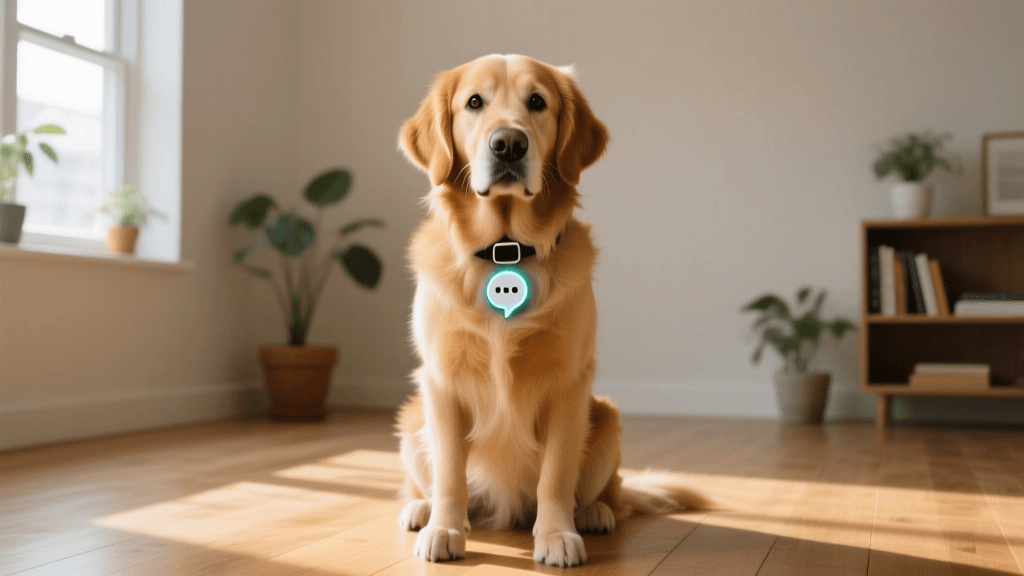
If you have spent any time on TikTok or Instagram over the past few years, you have likely encountered a viral video of a dog seemingly holding a conversation with its owner. From Bunny the Sheepadoodle pondering the concept of strangers to Stella the Catahoula mix requesting water and walks, these canine polyglots have captivated millions. Behind the viral fame lies a fascinating intersection of animal psychology, behavioral science, and speech-language pathology.
The tools these dogs use are known as Augmentative and Alternative Communication (AAC) soundboards. Originally designed to help non-verbal humans communicate, AAC devices have been adapted for canine use, sparking a massive trend in the pet enrichment space. But the critical question for dog owners remains: Do talking dog buttons actually work, or is this just an elaborate trick fueled by treats? Understanding the psychology behind this trend requires a deep dive into canine cognition and operant conditioning.
The Science: Operant Conditioning vs. True Language
Skeptics often dismiss talking dogs as mere products of operant conditioning—a learning process where a behavior is modified by its consequences. In this view, the dog presses a button, hears a sound, and receives a reward (like going outside or getting a treat). While operant conditioning is undoubtedly the foundation of the training, researchers are discovering that canine comprehension may go much deeper.
According to data gathered by TheyCanTalk.org, a citizen science project led by researchers at the University of California, San Diego, many animals demonstrate an understanding of semantics and syntax. The study tracks how dogs and cats use AAC buttons to communicate. Researchers have observed dogs combining words in novel ways to express abstract concepts, such as pressing 'stranger' and 'paw' when a guest arrives, or 'ouch' and 'look' when they experience discomfort. This suggests that dogs are not merely performing a trick for a treat; they are utilizing the buttons as a functional tool to bridge the interspecies communication gap.
Speech-language pathologists, like Christina Hunger, who pioneered the movement with her dog Stella, note that dogs possess the cognitive abilities of a human toddler. By leveraging their natural associative learning skills, dogs can map auditory symbols (words) to specific actions, objects, and emotional states. You can read more about the foundational methodology on the Hunger for Words website, which documents the pioneering case studies of canine AAC usage.
Comparing the Top Talking Dog Button Kits
If you want to join this viral trend, choosing the right equipment is crucial. The market has exploded with options, ranging from basic recordable bells to advanced modular tile systems. Below is a comparison of the most popular setups used by viral dog stars and everyday pet owners.
| Brand / Product | Price Range | Button Size & Resistance | Mat / Board System | Best For |
|---|---|---|---|---|
| FluentPet HexTile | $39.95 - $149.99 | 3.5-inch; Low resistance (easy press) | Interlocking plastic hexagons | Small to medium breeds; structured grammar mapping |
| Hunger for Words | $29.99 - $89.99 | 4-inch; Medium resistance | Interlocking foam floor mats | Large breeds; beginners on a budget |
| Mighty Paw Smart Bell | $24.99 | N/A (Wall-mounted touch pad) | Wall or door mount | Potty training only (single function) |
How to Start Button Training: A Step-by-Step Guide
Teaching your dog to use an AAC soundboard requires patience, consistency, and precise timing. According to guidelines supported by the Humane Society of the United States, positive reinforcement and force-free modeling are the most effective ways to shape complex animal behaviors. Here is how to get started:
Step 1: Choose High-Value, Action-Oriented Words
Do not start with abstract concepts like 'love' or 'mad.' Begin with highly motivating actions that occur daily. The best starter words are Outside, Play, and All Done. These words have immediate, tangible outcomes that your dog already values.
Step 2: The Art of Modeling (Timing is Everything)
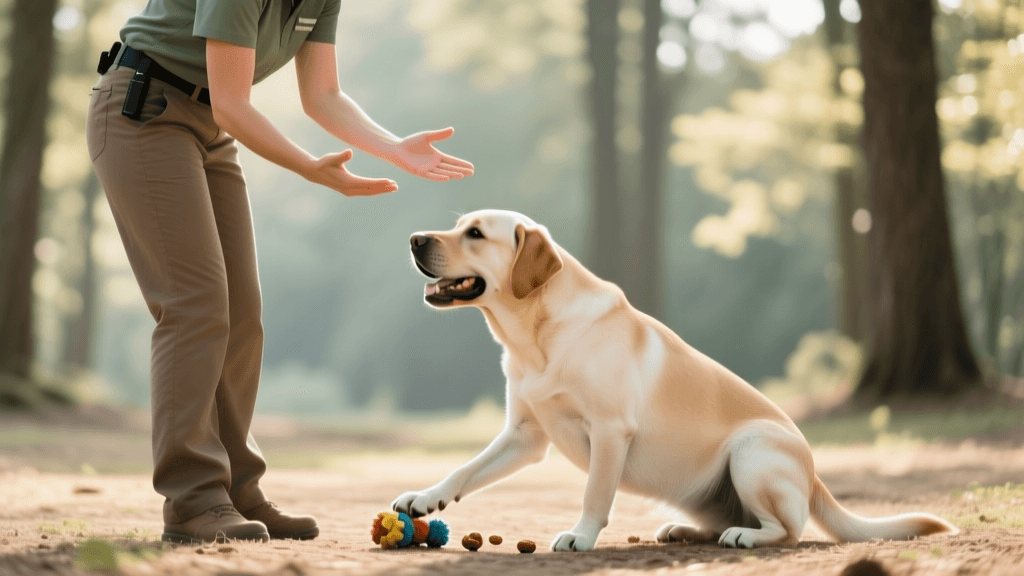
Modeling is the process of demonstrating the button's use without forcing your dog's paw. Timing is critical: You must press the button exactly 0.5 to 1 second before the action occurs. For example, say 'Outside,' press the button, and then immediately open the door. If you press the button after the door is open, your dog will associate the sound with the door closing or the end of the walk.
Step 3: Placement and Environment
Place the button mat in a high-traffic communal area, such as the kitchen or living room. Dogs are social learners; if the board is isolated in a quiet corner, they are less likely to engage with it. Keep the board accessible 24/7 so your dog can initiate communication on their own terms.
Step 4: Wait for the 'Aha!' Moment
Continue modeling 5 to 10 times a day. Eventually, your dog will hover near the mat or look at the button. The moment they show interest, reward them heavily. The first independent press usually happens between 2 to 6 weeks of consistent modeling. When it happens, react with calm enthusiasm and fulfill the request immediately.
Practical Costs, Measurements, and Setup Details
Budgeting for a talking dog setup is relatively affordable compared to other canine sports or hobbies. A standard starter kit containing four recordable buttons and a mat will cost between $30 and $50. As your dog's vocabulary expands, expansion packs (usually 4 to 6 buttons) cost around $25 to $40.
When considering measurements, standard buttons are roughly 3.5 to 4 inches in diameter and require about 2 to 4 pounds of downward pressure. This is perfect for dogs over 15 lbs. If you have a toy breed (like a Chihuahua or Pomeranian), look for specialized low-resistance buttons or soft-touch sensory mats, as standard buttons may cause joint strain or frustration for tiny paws. For large, heavy-pawed breeds like Great Danes, ensure the buttons have a sturdy, non-slip silicone base to prevent them from sliding across hardwood floors during an enthusiastic press.
Common Mistakes and Troubleshooting
- Over-prompting: Pointing at the button or staring expectantly at your dog can create pressure. Model the behavior, then walk away and let them process.
- Ignoring the Button: If your dog presses 'Play' and you are too busy to engage, you must still acknowledge it. Say, 'Not right now, play later,' to validate their communication attempt. Ignoring the button will lead to extinction of the behavior.
- Button Barking: Some dogs will spam the 'Outside' button 20 times in a row. This is normal during the testing phase. They are testing the boundaries of the tool, much like a toddler repeatedly dropping a spoon to see if gravity still works. Stay calm and enforce a 'one press, one action' rule.
'Dogs are not going to use buttons to discuss philosophy or debate the meaning of life. They use them to express immediate needs, physical states, and emotional reactions. Setting realistic expectations is the key to a successful AAC journey.' — Canine Behavioral Enrichment Guidelines
Conclusion
The viral trend of talking dogs is more than just a fleeting internet fad; it is a legitimate, science-backed method of canine enrichment and interspecies communication. Whether your dog is utilizing the buttons strictly through operant conditioning or genuinely grasping the semantic weight of the words, the result is a deeper, more empathetic bond between human and hound. By investing in the right equipment, utilizing precise timing, and maintaining realistic expectations, you can unlock a whole new dimension of understanding with your best friend.
aaron-whyte
All our authors care for dogs every day — read more of their work on the authors page.