Decoding Puppy Body Language: A First-Time Guide to Calming Signals
Learn to decode your puppy's body language and calming signals. A first-time owner's guide to understanding canine stress, communication, and behavior.
The Secret Language of Dogs: What Are Calming Signals?
Bringing home a new puppy or rescue dog is one of life's greatest joys, but it often comes with a steep learning curve. As a first-time owner, you might find yourself frustrated when your dog won't listen, seems stubborn, or acts out in ways you don't understand. The truth is, your dog is constantly communicating with you; you just need to learn their language. Canine communication is deeply rooted in psychology and evolutionary biology. Unlike humans, who rely heavily on vocalization, dogs communicate primarily through body language, scent, and subtle micro-expressions.
In the late 1980s, Norwegian dog trainer and behaviorist Turid Rugaas coined the term 'calming signals' after years of observing canine interactions. She identified over 30 specific behaviors that dogs use to self-soothe, de-escalate tension, and communicate peaceful intentions to other dogs and humans. According to the Fear Free Pets initiative, understanding these signals is the cornerstone of reducing fear, anxiety, and stress in companion animals. When first-time owners misinterpret these signals as disobedience or guilt, it can severely damage the human-canine bond and lead to escalated behavioral issues.
7 Common Calming Signals Your Puppy Uses
To build a trusting relationship, you must learn to spot the subtle signs your dog uses to say, 'I am feeling overwhelmed, please give me space.' Here are seven of the most common calming signals you will encounter:
1. Yawning (When Not Tired)
If your puppy yawns while at the vet's office, during a loud thunderstorm, or when you are scolding them, they are not bored or sleepy. This is a physiological response to stress. Yawning helps regulate their nervous system and signals to you that they are feeling internal pressure.
2. Lip Licking and Tongue Flicking
A quick flick of the tongue over the nose or repeated lip licking (when no food is present) is a classic appeasement gesture. You will often see this when a stranger leans over to pet your dog or when you are putting on their harness. It is a polite request for the stressful interaction to stop.
3. Looking Away or Turning the Head
In the canine world, direct, prolonged eye contact is a challenge or a threat. If your dog turns their head away from you, closes their eyes slightly, or shows you the side of their face, they are actively trying to de-escalate a situation and avoid conflict. Never force a stressed dog to make eye contact.
4. Sniffing the Ground
While dogs love to sniff for information, sudden, intense ground-sniffing when another dog or a loud noise approaches is a displacement behavior. It is their way of pretending to be busy and non-threatening to avoid an altercation.
5. Slow Movements and Freezing
Fast, erratic movements can trigger prey drive or excitement in other dogs. A dog feeling insecure will often move in slow motion or freeze completely to signal that they are not a threat. If your dog freezes while being groomed or handled, they are not being 'good'; they are likely experiencing a fear response known as tonic immobility.
6. Curving the Approach
Dogs rarely walk in straight lines toward one another, as a direct head-on approach is considered rude or aggressive. If your dog walks in a wide arc when approaching you or another dog, they are practicing excellent canine manners and trying to keep the environment calm.
7. The Play Bow
While often seen as an invitation to play, the play bow (front elbows on the ground, rear end in the air) is also used as a calming signal to diffuse tension after a rough interaction. It translates to, 'Everything that just happened was just a game, please don't be upset.'
Stress vs. Relaxation: A Body Language Comparison Chart
Understanding the full picture requires looking at your dog's entire body, not just their tail. A wagging tail does not always mean a happy dog; it simply indicates arousal or emotional stimulation, which can easily tip into aggression or extreme fear. Use this comparison chart to assess your puppy's emotional baseline.
| Body Part | Relaxed and Comfortable | Stressed, Anxious, or Fearful |
|---|---|---|
| Ears | Neutral, resting naturally, or slightly forward if curious. | Pinned flat against the skull or pulled far back. |
| Eyes | Soft gaze, relaxed eyelids, normal pupil size. | 'Whale eye' (showing the whites of the eyes), dilated pupils, or furrowed brow. |
| Mouth | Slightly open, relaxed lips, soft panting. | Lips pulled tight back, panting heavily when not hot, or snapping. |
| Tail | Loose, sweeping wag at spine level or natural resting position. | Tucked tightly between legs, or held stiff and high with a rapid, vibrating wag. |
| Posture | Weight evenly distributed, loose and wiggly body. | Cowering, weight shifted backward, trembling, or leaning heavily away from a stimulus. |
Actionable Steps: How to Respond to Your Puppy's Signals
Recognizing stress is only the first step. As a responsible first-time owner, you must actively modify your behavior and environment to help your dog feel secure. Here are practical, actionable strategies you can implement today.
Implement the 3-Second Petting Rule
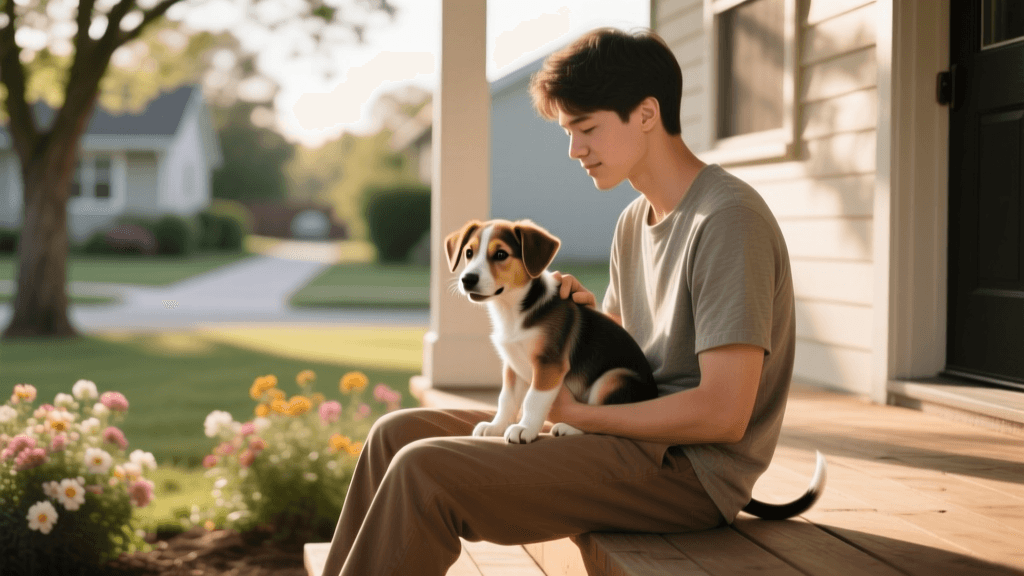
Many people unknowingly stress dogs out by petting them continuously, especially over the head. Instead, use the 3-Second Rule: Pet your dog gently on the chest or shoulder for exactly three seconds, then stop and remove your hand. Observe their reaction. If they lean in, nudge you, or paw at you, they are consenting to more affection. If they look away, lick their lips, or step back, respect their boundary and give them space.
Create a Decompression 'Safe Zone'
Every dog needs a sanctuary where they will never be disturbed by children, guests, or other pets. Invest in a properly sized wire crate (a 36-inch crate costs around $50-$70 and is ideal for medium breeds). Outfit it with a washable bed and cover the top and sides with a breathable blanket to create a den-like atmosphere. To further reduce anxiety, plug in an Adaptil Calm Home Diffuser (approximately $45) in the same room. This device covers up to 700 square feet and releases synthetic dog-appeasing pheromones that mimic the comforting scent of a nursing mother dog.
Encourage Licking and Sniffing for Endorphin Release
Licking and sniffing are naturally self-soothing behaviors that release endorphins in a dog's brain. When you know a stressful event is coming (like a fireworks display or a guest arrival), provide an enrichment activity. Stuff a Kong Classic ($15) with plain pumpkin puree and low-sodium chicken broth, then freeze it solid. Alternatively, use a fabric Snuffle Mat ($25) to hide their daily kibble, forcing them to use their nose for 15 minutes of mental decompression.
Breed-Specific Instincts and Communication
While calming signals are universal across the canine species, breed instincts can heavily influence how your dog expresses stress and interacts with the world. The Humane Society of the United States notes that understanding breed origins is vital for interpreting behavior correctly.
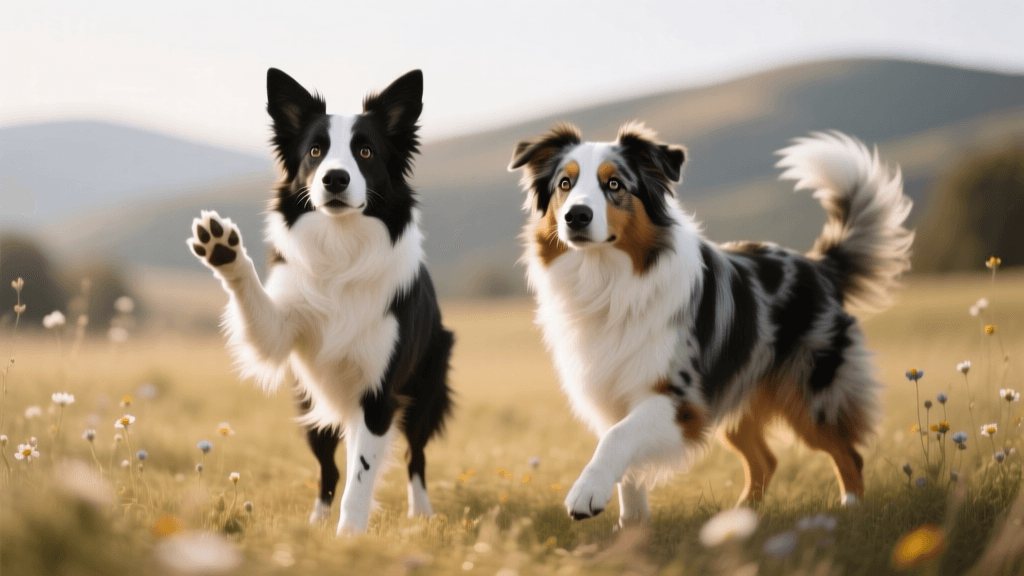
- Herding Breeds (Border Collies, Australian Shepherds): These dogs are genetically hardwired to use their eyes and bodies to control movement. A herding dog staring intensely or stalking a running child is not necessarily being aggressive; they are expressing a deep-seated instinct to 'gather' the flock. Stress in these breeds often manifests as hyper-vigilance, shadow-chasing, or nipping at heels.
- Scent Hounds (Beagles, Bloodhounds): Hounds process the world through their noses. When a hound locks onto a scent, they may become completely deaf to your recall commands. This is not stubbornness; it is a neurological override. Stress in hounds often manifests as excessive vocalization (baying or howling) or destructive chewing when left under-stimulated.
- Primitive and Spitz Breeds (Shiba Inus, Basenjis): These breeds are notoriously independent and cat-like. They tend to be highly sensitive to physical restraint and may exhibit extreme 'freeze' or 'flight' calming signals when cornered or hugged. They require a high degree of consent-based handling.
Pro Tip for First-Time Owners: Never punish a growl. A growl is a vital communication tool and a clear warning sign that your dog is over their stress threshold. If you punish the growl, the dog will learn to skip the warning and go straight to a bite. Instead, calmly remove the dog from the stressful situation and consult a professional.
When to Seek Professional Help
While some stress is a normal part of navigating a human world, chronic anxiety can lead to severe behavioral and medical issues. If your dog consistently displays 'whale eye,' chronic panting indoors, refusal to eat treats in new environments, or reactive lunging on the leash, it is time to call in an expert.
Look for a certified professional who uses force-free, science-based methods. You can find verified professionals through the ASPCA's behavioral resources or the International Association of Animal Behavior Consultants (IAABC). Expect to invest between $150 and $300 for an initial comprehensive behavioral assessment. This upfront cost is invaluable; it provides you with a tailored, psychological roadmap to help your dog overcome their specific triggers, ensuring a lifetime of mutual trust and clear communication.
By learning to read the subtle, silent language of your dog, you transition from being just an owner to becoming a true advocate for your best friend. Pay attention to the whispers of their body language, so you never have to hear them shout.
hannah-wickes
All our authors care for dogs every day — read more of their work on the authors page.