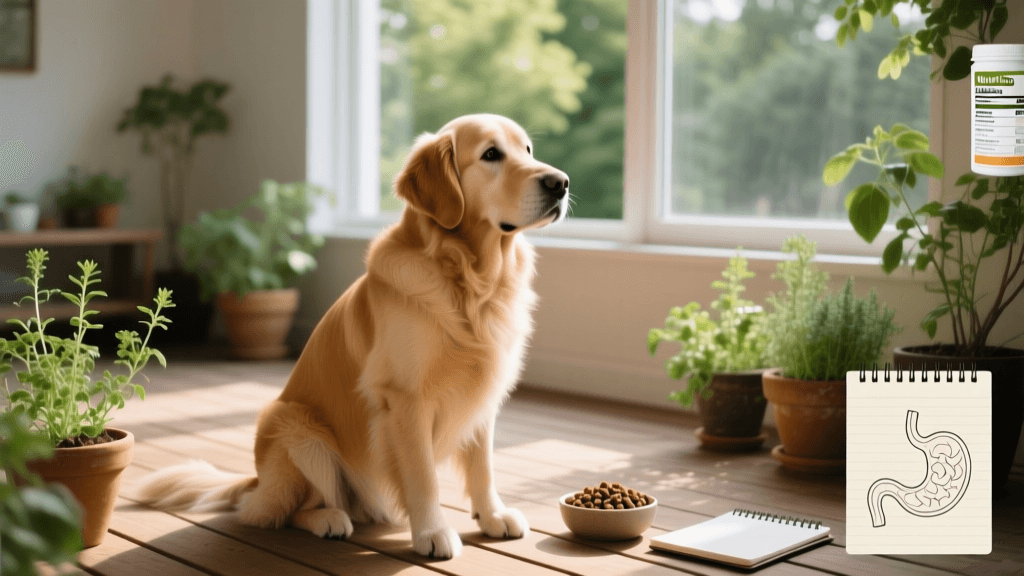
How Diet Shapes Dog Behavior: The Canine Gut-Brain Axis
Discover how the canine gut-brain axis influences behavior. Learn how nutrition impacts dog anxiety, focus, and mood with actionable feeding tips.
The Hidden Connection Between Nutrition and Canine Psychology
When we think of canine behavioral issues—such as separation anxiety, leash reactivity, or destructive hyperactivity—our first instinct is often to look at training methods, socialization history, or environmental stressors. However, as a senior behavioral consultant, I frequently see cases where the root cause of a dog's psychological distress is not a lack of training, but a profound imbalance in their nutritional health. The intersection of health and behavior is one of the most fascinating frontiers in veterinary science, and it all begins in the digestive tract.
Recent advancements in veterinary nutrition have illuminated the profound impact of the canine gut-brain axis. This bidirectional communication network links the enteric nervous system (the gut) with the central nervous system (the brain). According to research highlighted by the Purina Institute, the gut microbiome produces a vast array of neurotransmitters, including serotonin and dopamine, which directly regulate a dog's mood, stress response, and cognitive function. When a dog's diet lacks essential nutrients or disrupts their microbial balance, the psychological fallout can manifest as anxiety, compulsive disorders, and an inability to focus during training sessions.
The Science of the Canine Gut-Brain Axis
The primary highway connecting your dog's stomach to their brain is the vagus nerve. This cranial nerve transmits signals regarding satiety, inflammation, and microbial health directly to the brain's emotional centers, including the amygdala and the hippocampus. If a dog consumes a diet high in inflammatory fillers or lacks prebiotic fibers, the resulting gut inflammation sends continuous 'danger' signals via the vagus nerve. The brain interprets these signals as environmental threats, keeping the dog in a chronic state of hyper-vigilance or 'fight or flight'.
A dog living with chronic, low-grade gut inflammation is neurologically primed to react to triggers—like a passing dog or a knocking door—with disproportionate fear or aggression. You cannot out-train a compromised nervous system.
Understanding this biological reality shifts the paradigm of dog ownership. We must stop viewing food merely as 'fuel' and start viewing it as neuro-chemical information that dictates how our dogs perceive and interact with the world.
Nutritional Deficiencies Linked to Behavioral Red Flags
Specific micronutrients act as the building blocks for calming neurotransmitters. When these are absent or improperly synthesized due to poor gut health, behavioral red flags emerge. Below is a breakdown of critical nutrients, their psychological impact, and how to address deficiencies.
| Nutrient | Behavioral Impact of Deficiency | Natural & Supplemental Sources | Actionable Advice |
|---|---|---|---|
| Tryptophan | Increased aggression, poor impulse control, severe anxiety. | Turkey, eggs, pumpkin seeds, hydrolyzed protein diets. | Feed a small, tryptophan-rich snack 30 minutes before known stressors (e.g., guest arrivals). |
| Omega-3 Fatty Acids (EPA/DHA) | Cognitive decline, hyperactivity, poor stress recovery. | Wild-caught sardines, krill oil, high-quality fish oil supplements. | Aim for a combined EPA/DHA dose of 50-75 mg per kg of body weight daily to reduce neuro-inflammation. |
| B-Complex Vitamins | Lethargy, noise phobias, compulsive licking or pacing. | Organ meats (liver), nutritional yeast, canine-specific B-complex. | Ensure your dog's base diet includes whole-food sources of B-vitamins, not just synthetic premixes. |
| Magnesium | Muscle tension, inability to settle, exaggerated startle reflex. | Spinach, pumpkin, bone broth, magnesium glycinate supplements. | Add 1 tbsp of plain, unsalted pumpkin puree to meals to boost natural magnesium and gut-soothing fiber. |
The Psychology of the Bowl: Why Fast Eating Causes Reactivity
Beyond the chemical composition of the food, the method in which we feed our dogs has massive psychological implications. In the wild, canines spend up to 80% of their waking hours foraging, scavenging, and hunting. This natural behavior releases a steady stream of dopamine, providing a deep sense of psychological satisfaction and mental fatigue.
In modern homes, we typically serve highly processed kibble in a stainless steel or ceramic bowl. The dog consumes a day's worth of calories in less than three minutes. This results in two major behavioral issues:
- The Glucose Spike and Crash: Rapid ingestion of high-carbohydrate kibble causes a sharp spike in blood glucose, followed by an insulin-driven crash. This crash often manifests as irritability, restlessness, and an inability to settle down in the afternoon.
- Foraging Deprivation: Because the dog's evolutionary need to 'work' for their food is entirely unmet, they will redirect that foraging energy into destructive behaviors, such as chewing furniture, digging in the yard, or excessive barking.
Actionable Enrichment Protocols
To align your feeding routine with your dog's psychological needs, ditch the bowl and implement daily foraging enrichment. This not only slows down eating but actively reduces cortisol (the stress hormone) levels.
- Snuffle Mats ($20 - $35): These fabric mats mimic the act of sniffing out food in tall grass. Hiding dry kibble in a snuffle mat can turn a 2-minute meal into a 15-minute mental workout. Sniffing naturally lowers a dog's heart rate.
- Lick Mats ($10 - $15): Brands like the Hyper Pet IQ Lick Mat are excellent for wet food or plain Greek yogurt. The repetitive act of licking releases endorphins in the canine brain, acting as a natural self-soothing mechanism. Freeze the mat for 20 minutes before use to extend the activity and provide a cooling effect during high-stress events like thunderstorms.
- Puzzle Toys ($25 - $45): The Outward Hound Nina Ottosson Dog Brick requires dogs to slide, lift, and flip compartments to access treats. This engages the prefrontal cortex, improving focus and problem-solving skills, which translates to better obedience in other areas of life.
Targeted Supplements for Anxious and Reactive Dogs
For dogs suffering from moderate to severe anxiety, dietary adjustments alone may not be enough. Targeted nutraceuticals can bridge the gap between behavioral modification and neuro-chemical balance. The Tufts Cummings Veterinary Medical Center frequently acknowledges the role of specific, clinically tested supplements in managing canine anxiety alongside behavior modification plans.
Here are three evidence-backed supplements to discuss with your veterinarian:
- Bifidobacterium longum BL999: Marketed as Purina Pro Plan Veterinary Supplements Calming Care ($40 - $50 for a 30-day supply), this specific probiotic strain has been clinically shown to reduce anxious behaviors, lower cortisol levels, and improve heart rate variability in dogs. It takes roughly 6 weeks of daily administration to see full behavioral shifts as the microbiome repopulates.
- L-Theanine: An amino acid derived from green tea leaves, L-Theanine promotes the production of alpha brain waves, associated with a state of 'wakeful relaxation.' Products like Virbac Anxitane or Solliquin ($30 - $45) are highly effective for situational anxiety, such as car rides or veterinary visits. Administer 30 to 60 minutes before the triggering event.
- Hydrolyzed Milk Protein (Alpha-Casozepine): Found in supplements like Zylkene ($25 - $40), this protein derivative binds to GABA receptors in the brain—the same receptors targeted by anti-anxiety medications like Valium, but without the sedative side effects. It is exceptionally useful for senior dogs experiencing cognitive dysfunction and nighttime pacing.
Ingredients That Trigger Canine Hyperactivity
Just as certain foods calm the nervous system, others act as behavioral accelerants. If your dog exhibits unprovoked hyperactivity, an inability to focus, or sudden bursts of frantic energy (often called the 'zoomies' immediately after eating), audit their ingredient list for the following culprits:
- Artificial Food Dyes: Red 40, Yellow 5, and Blue 1 are derived from petroleum and have been linked to hypersensitivity and behavioral disruptions in both humans and canines. Always opt for foods colored naturally or lacking dyes entirely.
- High-Glycemic Fillers: Ingredients like corn syrup, molasses, and excessive amounts of white rice or wheat can cause erratic blood sugar fluctuations. Opt for complex, low-glycemic carbohydrates like sweet potatoes, oats, or legumes, which provide a slow, sustained release of energy.
- Excessive Sodium and MSG: Often hidden under names like 'hydrolyzed yeast' or 'natural flavors' in low-quality treats, these can cause excessive thirst, restlessness, and neurological irritability in sensitive dogs.
Conclusion: Feeding the Mind, Not Just the Body
Understanding your dog requires looking beyond the surface of their actions and examining the biological machinery driving them. The gut-brain axis proves that nutrition and psychology are inextricably linked. By upgrading your dog's diet with targeted Omega-3s, replacing the food bowl with enriching foraging tools, and utilizing clinically backed probiotics, you can fundamentally alter your dog's emotional baseline.
As noted by behavioral experts at the American Kennel Club (AKC), a holistic approach to canine health—one that marries physical nutrition with mental enrichment—is the most effective way to raise a balanced, confident, and happy companion. The next time your dog struggles to settle, look to their bowl; the solution to their behavioral puzzle might just be on their menu.
priya-sutaria
All our authors care for dogs every day — read more of their work on the authors page.