Suburban Dog to City Apartment 2026: Transition Guide
Transitioning your suburban dog to a city apartment in 2026? Discover expert tips on balcony potty training, noise desensitization, and urban routines.
The Reality of the 2026 Urban Shift
Moving from a quiet suburb with a fenced backyard to a bustling city apartment is one of the most significant life transitions a dog can experience. In 2026, urban migration continues to rise, and more pet parents are navigating the complexities of high-rise living with dogs accustomed to open spaces. This transition requires more than just packing boxes; it demands a strategic approach to desensitization, potty retraining, and spatial awareness. According to the ASPCA, moving is one of the top stressors for pets, but with a proactive routine and the right environmental management, your dog can comfortably adapt to a concrete jungle.
The shift from a yard to an apartment means your dog loses their primary outdoor bathroom and their main source of independent enrichment. To ensure a smooth transition, you must replicate the structure they are used to while slowly introducing the novel stimuli of city life. Below is a comprehensive, actionable guide to helping your suburban dog embrace their new urban lifestyle in 2026.
Pre-Move Desensitization: City Sounds and Surfaces
Suburban dogs are accustomed to the sound of wind, occasional lawnmowers, and distant neighborhood barking. City dogs, however, must navigate sirens, construction, heavy traffic, and crowded sidewalks. If your dog is noise-sensitive, start auditory desensitization four to six weeks before your moving date.
Auditory Conditioning
- Urban Soundscapes: Play YouTube playlists of "city traffic sounds" or "subway ambience" at a very low volume while feeding your dog high-value treats like Zuke's Mini Naturals.
- Gradual Volume Increase: Over several weeks, slowly increase the volume. If your dog shows signs of stress (panting, pacing, hiding), lower the volume immediately.
- Siren Protocol: Teach a "siren game." When a siren plays on your speaker, scatter treats on the floor for a "find it" game. This changes the emotional response from fear to anticipation of a reward.
Surface and Crowding Prep
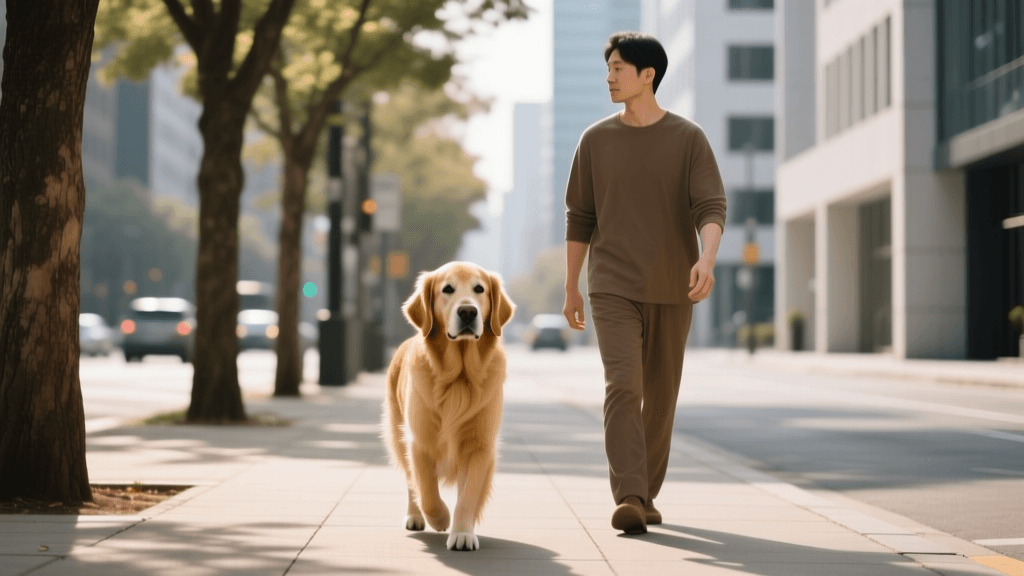
Suburban dogs often walk on soft grass or quiet cul-de-sacs. City walking involves hot asphalt, metal grates, and tight spaces. Begin walking your dog in the nearest busy commercial district on a Ruffwear Front Range Harness to give you better control. Practice walking close to walls and navigating through narrow doorways to simulate crowded apartment hallways.
The Potty Transition: Yard to Balcony or Pavement
The most immediate shock for a suburban dog is the loss of a backyard. Relying solely on elevator rides and street walks for bathroom breaks can lead to accidents, especially during the first few stressful weeks in a new apartment. The American Kennel Club (AKC) highly recommends establishing a dedicated indoor or balcony potty area for apartment dwellers to provide a reliable fallback option.
Comparing 2026 Balcony Potty Systems
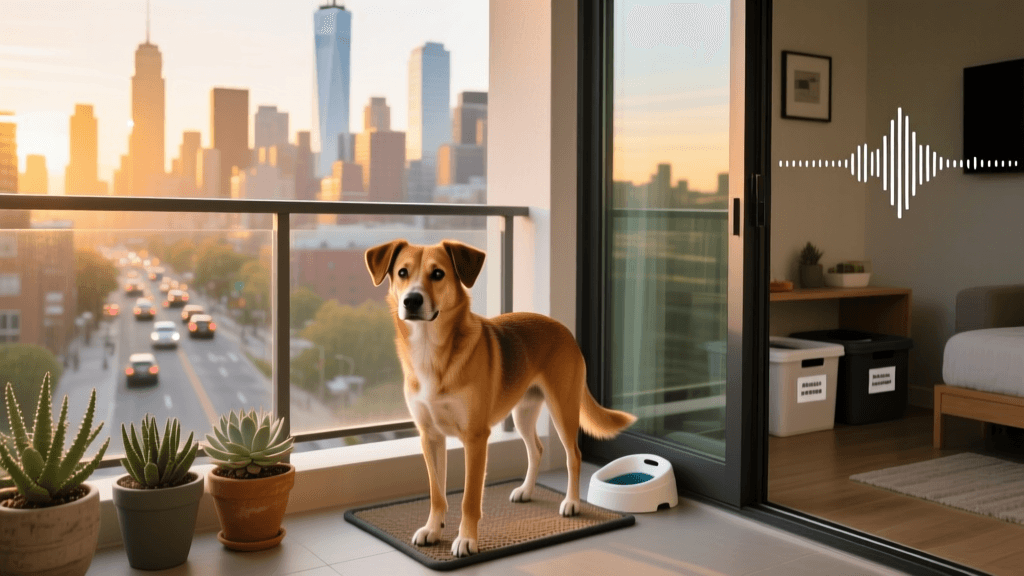
If your apartment has a balcony or a small patio, installing a potty system is a game-changer. Here is how the top options compare for transitioning suburban dogs:
| Product | Type | Best For | 2026 Est. Cost |
|---|---|---|---|
| DoggieLawn | Hydroponic Real Grass | Suburban dogs missing the feel of real grass | $35 / bi-weekly |
| Fresh Patch | Live Soil Grass | Dogs that dig, scratch, or prefer soil scents | $39 / bi-weekly |
| PetSafe Pet Loo | Synthetic Grass w/ Bin | Budget-conscious owners; easy to hose down | $110 upfront |
| BrilliantPad | Motorized Roll System | Small breeds; owners away for long hours | $250 upfront + rolls |
Transition Tip: To get a suburban dog to use a balcony system, bring a small patch of grass or a handful of dirt from your old suburban yard and place it on the new system. The familiar scent will trigger their instinct to eliminate in that spot.
Elevator Etiquette and Shared Hallways
In a suburban home, your dog's territory ends at the front door. In an apartment, the hallway and elevator are shared, high-traffic zones that can trigger reactivity or anxiety in dogs not used to strangers entering their immediate space.
The "Place" Command for Hallways
Teach your dog a solid "place" or "mat" command. When you hear neighbors approaching in the hallway or waiting for the elevator, direct your dog to a designated mat or the corner of the elevator cab. Reward them heavily for staying in their spot while strangers pass. This prevents leash tangling and reduces the likelihood of defensive barking in confined spaces.
Elevator Desensitization
Elevators can be terrifying for dogs due to the mechanical noises, the feeling of dropping, and the sudden appearance of strangers. During your first week, take your dog on "elevator field trips" during off-peak hours. Ride up and down empty, treating your dog for calm behavior. Gradually introduce these rides during busier times, using a high-value lick mat smeared with peanut butter to keep them occupied and quiet as doors open and close.
Managing Noise and Separation in Close Quarters
Apartment walls are thin, and managing your dog's vocalization is not just about your dog's stress—it is about maintaining a good relationship with your neighbors and avoiding lease violations.
Acoustic Management
- White Noise Machines: Place a LectroFan high-fidelity white noise machine near the front door and shared walls to muffle the sound of neighbors walking, talking, or their dogs barking.
- Pheromone Diffusers: Plug in an Adaptil Calm Home Diffuser in the room where your dog spends the most time. These synthetic pheromones mimic the comforting signals of a nursing mother dog and have been clinically shown to reduce stress-related behaviors in new environments.
Smart Tech for 2026
Separation anxiety often spikes after a move. Invest in a Furbo 360 Dog Camera. The 2026 models feature advanced auto-patrol and AI bark alerts. If your dog begins to pace or vocalize while you are at the office, you can use the two-way audio to calmly speak to them and toss a treat to interrupt the anxiety loop before it escalates into prolonged barking.
Your 2026 Urban Dog Routine Schedule
Dogs thrive on predictability. When their physical environment changes, keeping their daily schedule rigidly consistent provides a massive psychological anchor. Here is a sample urban routine designed to burn energy and accommodate apartment living constraints:
- 6:30 AM - Balcony Potty & Sniff: Quick bathroom break on the DoggieLawn, followed by 5 minutes of "sniffari" time on the balcony to take in the morning city scents.
- 7:00 AM - Structured Urban Walk: 45-minute leash walk focusing on loose-leash heeling past distractions like garbage trucks and commuters.
- 8:00 AM - Mental Enrichment: Breakfast served inside a Kong Wobbler or snuffle mat to tire them out mentally before you leave for work.
- 12:30 PM - Midday Relief: A 20-minute midday walk via a dog walker, or a quick trip to a nearby designated dog run if you work from home or hybrid.
- 5:30 PM - Decompression Walk: A longer walk to a quiet city park, allowing them to engage in free sniffing and decompress from the day's urban stimuli.
- 8:00 PM - Indoor Training: 15 minutes of trick training or indoor agility (using furniture) to burn residual energy without disturbing neighbors with loud play.
Final Thoughts on the Transition
Transitioning a suburban dog to a city apartment is a marathon, not a sprint. Expect a regression in training during the first two weeks as your dog processes the overwhelming sensory input of their new home. By utilizing balcony potty systems, implementing strict noise desensitization, and leaning on modern smart pet tech, you can guide your dog through this major life transition with confidence. Remember, the goal of 2026 urban dog ownership is not just coexistence, but creating a structured, enriching sanctuary within your apartment walls.
anouk-beaumont
All our authors care for dogs every day — read more of their work on the authors page.