Best Dog Breeds for Apartment Living: A Buyer's Guide
Discover the best dog breeds for apartment living. Compare sizes, energy levels, and costs to find the perfect canine companion for your small space.
Introduction to Apartment Living with Dogs
Sharing your life with a dog is one of the most rewarding experiences a person can have, but doing so in an apartment or small urban space requires careful planning and breed selection. Many prospective dog owners mistakenly believe that living in a small space means they must give up on their dream of dog ownership. However, with the right breed, a structured routine, and proper indoor management, apartment living can be incredibly fulfilling for both you and your canine companion. The secret lies not necessarily in the square footage of your home, but in matching your lifestyle to a breed that thrives in close quarters.
When selecting a dog for an apartment, you must look beyond just the physical size of the animal. A large, low-energy dog might actually be a better apartment roommate than a small, high-energy terrier that barks at every shadow. According to the VCA Animal Hospitals, selecting a dog requires a deep understanding of the breed's temperament, exercise needs, and vocalization tendencies to ensure a harmonious living environment for you, your pet, and your neighbors.
Key Factors to Consider Before Choosing a Breed
Energy Levels vs. Space Constraints
The most critical factor in apartment dog selection is the breed's baseline energy level. High-energy working breeds, such as Border Collies or Siberian Huskies, require hours of vigorous physical and mental stimulation daily. Without a backyard to run in, these breeds can quickly develop destructive behaviors out of boredom. Conversely, breeds with lower indoor energy levels, often referred to as 'couch potatoes,' are perfectly content to lounge on a sofa after a moderate daily walk. It is essential to evaluate your own daily schedule and physical capabilities honestly before committing to a high-drive breed.
Vocalization and Neighbor Etiquette
In an apartment building, you share walls, floors, and ceilings with your neighbors. A breed that is naturally vocal or highly alert can lead to noise complaints and strained relationships. Hounds, terriers, and some toy breeds are historically wired to bark, howl, or alert at the slightest sound. When browsing the American Kennel Club (AKC) breed profiles, pay close attention to the 'barking level' metric. Breeds that are known for being quiet or having a low alert drive are vastly superior for multi-family housing.
Potty Break Logistics and Costs
Living on the fourth floor without direct backyard access means every potty break requires a leash, an elevator ride, and a walk outside. Puppies, in particular, need to go out every two to three hours, which can be a logistical nightmare in a high-rise. Furthermore, the financial aspect of dog ownership must be considered. The ASPCA estimates that annual dog care costs can range from $1,500 to over $3,000 depending on the size of the dog, with smaller breeds generally costing less in food and preventative medications, though they may have specific dental or orthopedic health expenses.
Top Dog Breeds for Small Spaces: A Comparison Chart
To help you make an informed decision, we have compiled a comparison chart of some of the most highly recommended breeds for apartment living. This data takes into account average weight, indoor energy levels, vocalization, and estimated baseline annual costs.
| Breed | Avg Weight | Indoor Energy | Barking Level | Est. Annual Cost |
|---|---|---|---|---|
| French Bulldog | 16-28 lbs | Low | Low | $1,500 - $2,200 |
| Greyhound | 60-70 lbs | Very Low | Very Low | $1,200 - $1,800 |
| Cavalier King Charles | 12-18 lbs | Moderate | Low | $1,400 - $2,000 |
| Pug | 14-18 lbs | Low | Moderate | $1,300 - $1,900 |
| Bichon Frise | 12-18 lbs | Moderate | Moderate | $1,600 - $2,500 |
Detailed Breed Profiles for Apartment Dwellers
The French Bulldog
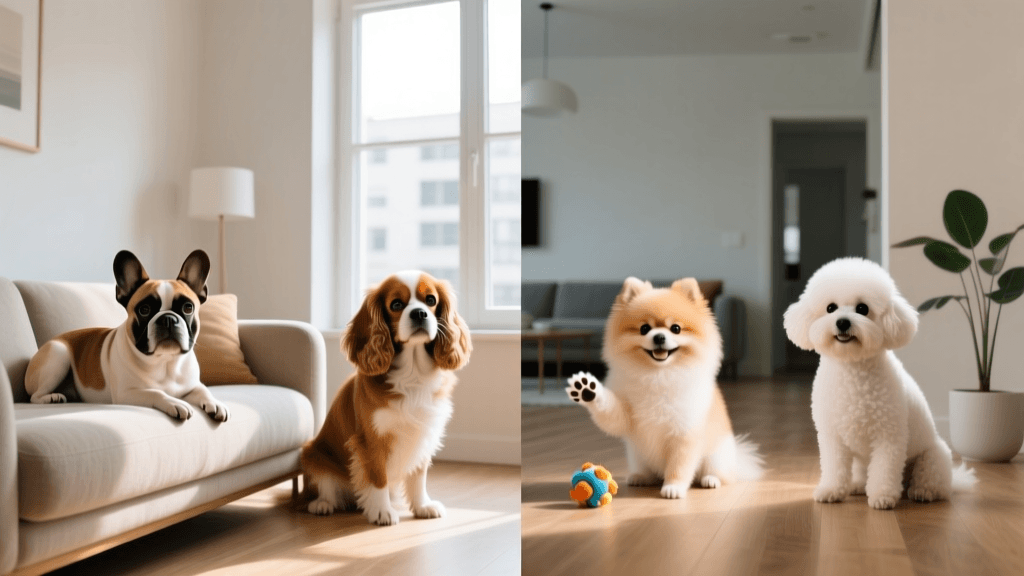
The French Bulldog has skyrocketed in popularity among urban dwellers, and for good reason. They are remarkably adaptable, require minimal exercise, and are generally quiet. A 20-minute morning walk and a 15-minute evening stroll are usually sufficient to keep a Frenchie happy. However, prospective owners must be prepared for potential veterinary costs related to their brachycephalic (flat-faced) anatomy, which can cause breathing issues and heat intolerance. They are deeply affectionate and thrive on human companionship, making them excellent indoor partners.
The Greyhound
It surprises many to see a 70-pound racing dog on an apartment recommendation list, but retired Greyhounds are famously known as '45-mph couch potatoes.' They sleep up to 18 hours a day and are incredibly quiet, rarely barking. While they do need a good daily sprint in a securely fenced dog park, their indoor demeanor is incredibly docile. Because of their thin coats and low body fat, they are highly sensitive to cold and prefer to be indoors wrapped in a blanket, making them perfect for climate-controlled apartments.
The Cavalier King Charles Spaniel
If you want a dog that is slightly more active than a Frenchie but still small enough for a studio apartment, the Cavalier King Charles Spaniel is an outstanding choice. They are eager to please, highly trainable, and possess a gentle temperament that makes them great with neighbors and other pets. They require about 45 minutes to an hour of daily exercise, which can easily be broken up into neighborhood walks. Their primary drawback is their need for regular grooming to prevent matting and their predisposition to certain heart conditions, which requires routine veterinary screening.
Essential Gear for the Apartment Dog
Maximizing your limited space while keeping your dog enriched requires strategic purchases. Here is a curated list of actionable gear recommendations for apartment living:
- Furbo 360 Dog Camera ($199): Essential for monitoring your dog while you are at work. It features two-way audio and a treat-tossing function to alleviate separation anxiety and keep your dog mentally stimulated during the day.
- PetSafe Easy Walk No-Pull Harness ($25): Apartment hallways and crowded city sidewalks require excellent leash manners. This front-clip harness gently discourages pulling without choking your dog, making elevator rides and narrow corridor walks much safer.
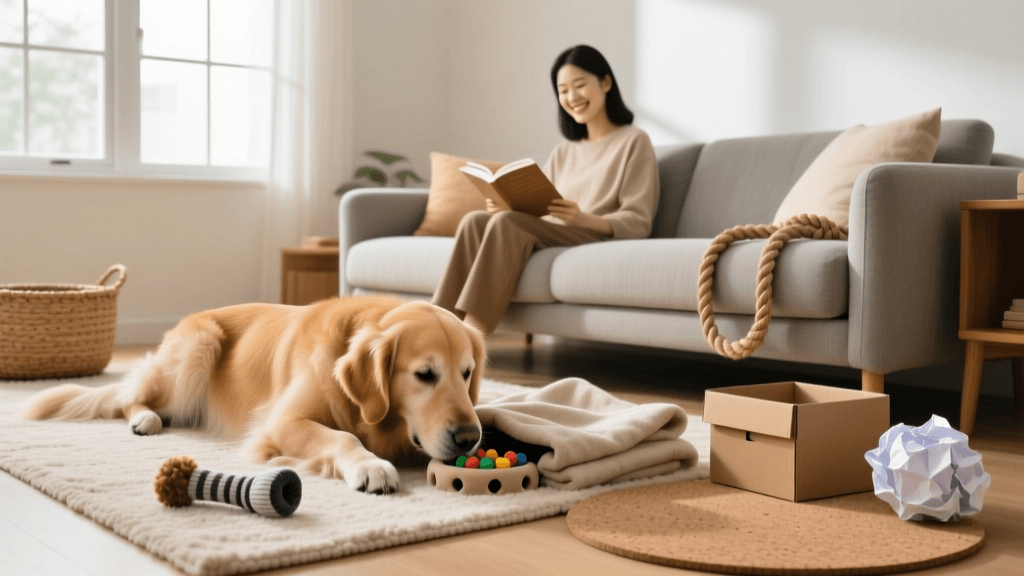
- KONG Classic Dog Toy ($15 - $20): Mental stimulation is just as tiring as physical exercise. Stuffing a KONG with peanut butter and freezing it provides a long-lasting, quiet activity that keeps your dog occupied and prevents noise complaints.
- PetSafe Indoor Potty System ($150): For high-rise dwellers or those who work long hours, an indoor grass patch or grate system provides a necessary emergency relief area, preventing accidents on your rugs during bad weather or late workdays.
- Outback Jack Pet Playpen ($70): A foldable, lightweight playpen is perfect for sectioning off a safe space in your apartment when guests arrive or when you need to keep your dog out of the kitchen while cooking.
Pro Tip: Invest in a white noise machine or a smart speaker that plays classical music. This helps drown out the sounds of neighbors walking in the hallway or street traffic, significantly reducing your dog's alert barking.
Structuring a Daily Routine in a Small Space
A predictable routine is the cornerstone of a well-adjusted apartment dog. Without a yard to wander into, your dog relies entirely on you for scheduling. Here is an optimal daily timeline for a working professional with an apartment dog:
- 6:30 AM - Morning Relief and Walk: Take your dog out for a 30-minute walk. This is the time for sniffing and physical exercise to burn off overnight energy.
- 8:00 AM - Departure and Enrichment: Before leaving for work, provide a frozen KONG toy or a snuffle mat. Turn on the Furbo camera and white noise machine.
- 12:30 PM - Midday Potty Break: If you cannot return home, hire a dog walker for a 20-minute midday stroll. This breaks up the day and prevents indoor accidents.
- 5:30 PM - Evening Decompression: Upon returning home, take a 45-minute walk, ideally to a local dog park or a quiet trail to allow for off-leash play or long-line training.
- 8:00 PM - Indoor Training and Wind Down: Spend 15 minutes practicing obedience commands like 'place', 'stay', and 'quiet'. Mental training tires the brain and prepares the dog for sleep in a confined space.
Conclusion
Living in an apartment does not mean you must compromise on the joy of dog ownership. By carefully selecting a breed that aligns with your spatial constraints, investing in smart apartment gear, and adhering to a strict daily routine, you can create a thriving environment for your pet. Remember that a tired and mentally stimulated dog is a quiet dog, ensuring that your life with your dog in a small space remains a peaceful and deeply rewarding experience for everyone involved.
anouk-beaumont
All our authors care for dogs every day — read more of their work on the authors page.